







- Sussex County’s population has jumped 17% since 2020, growing five times faster than the US average as retirees arrive.
- Developers are converting inland farm fields into 55-plus communities, while property taxes stay far below neighboring Northeast states.
- The surge is overwhelming healthcare, schools, and two-lane roads, making growth a central issue in county elections.
Bloomberg reports that retirees are pouring into southern Delaware, and the region is straining to keep up. More than 40,000 people have moved to Sussex County since 2020. Many are Boomers skipping traditional havens like Florida and Arizona for a cheaper coastal option.
Get Smarter about what matters in CRE
Stay ahead of trends in commercial real estate with CRE Daily – the free newsletter delivering everything you need to start your day in just 5-minutes
Why Retirees Skip Florida
Cost of living is driving the shift. Rising home prices and insurance have given Florida’s big cities the worst inflation in the nation since the pandemic. Its cost of living now tops the US average. Delaware runs slightly cheaper than the rest of the country, per the US Bureau of Economic Analysis. It is far more affordable than nearby New York, New Jersey, or Maryland. The state’s 65-and-older population has climbed 23% since 2020, the most of any state.
The Details
The new arrivals are older and wealthier than longtime residents. Sussex County’s median age reached 53.2 last year, per Census estimates, almost 14 years above the national average. Families moving in from other states earned more than $136,000 a year, per 2022 IRS migration data. Existing residents earned less than $92,000. Taxes help explain the pull. Delaware levies an income tax but no sales tax, and property taxes run low. One local planner said New Jersey transplants can swap $18,000 annual bills for closer to $1,500.
Developers Push Inland
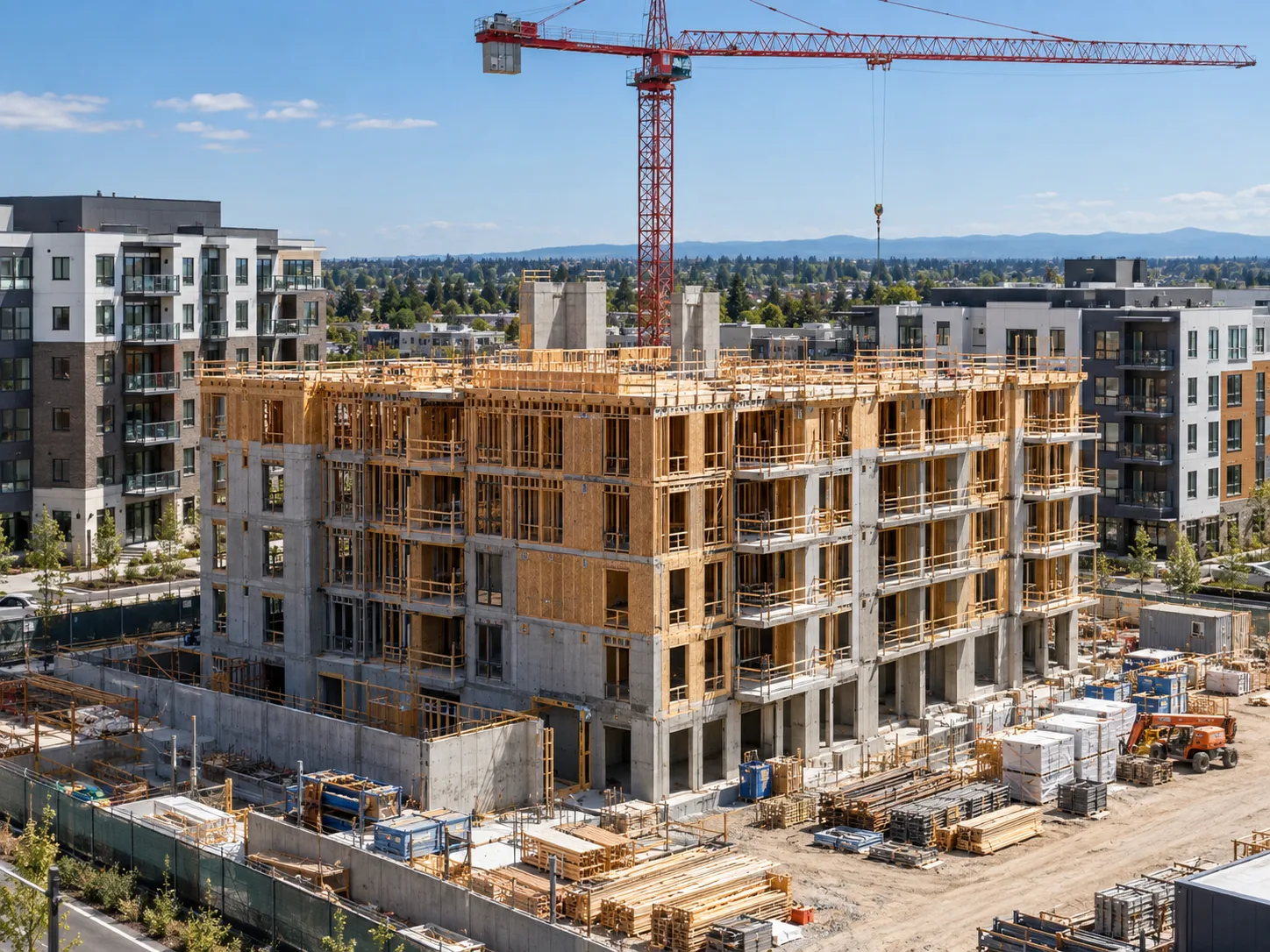
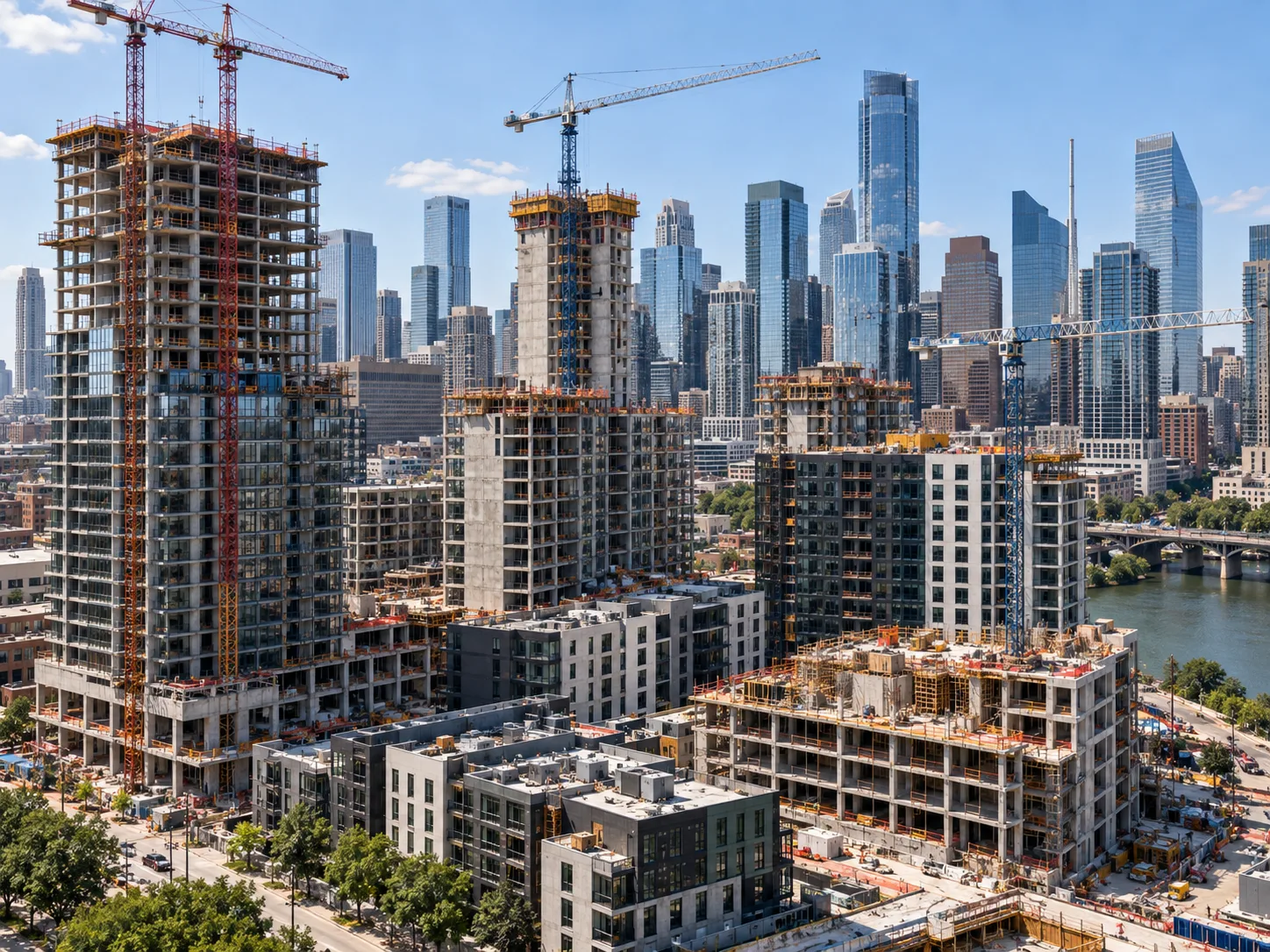
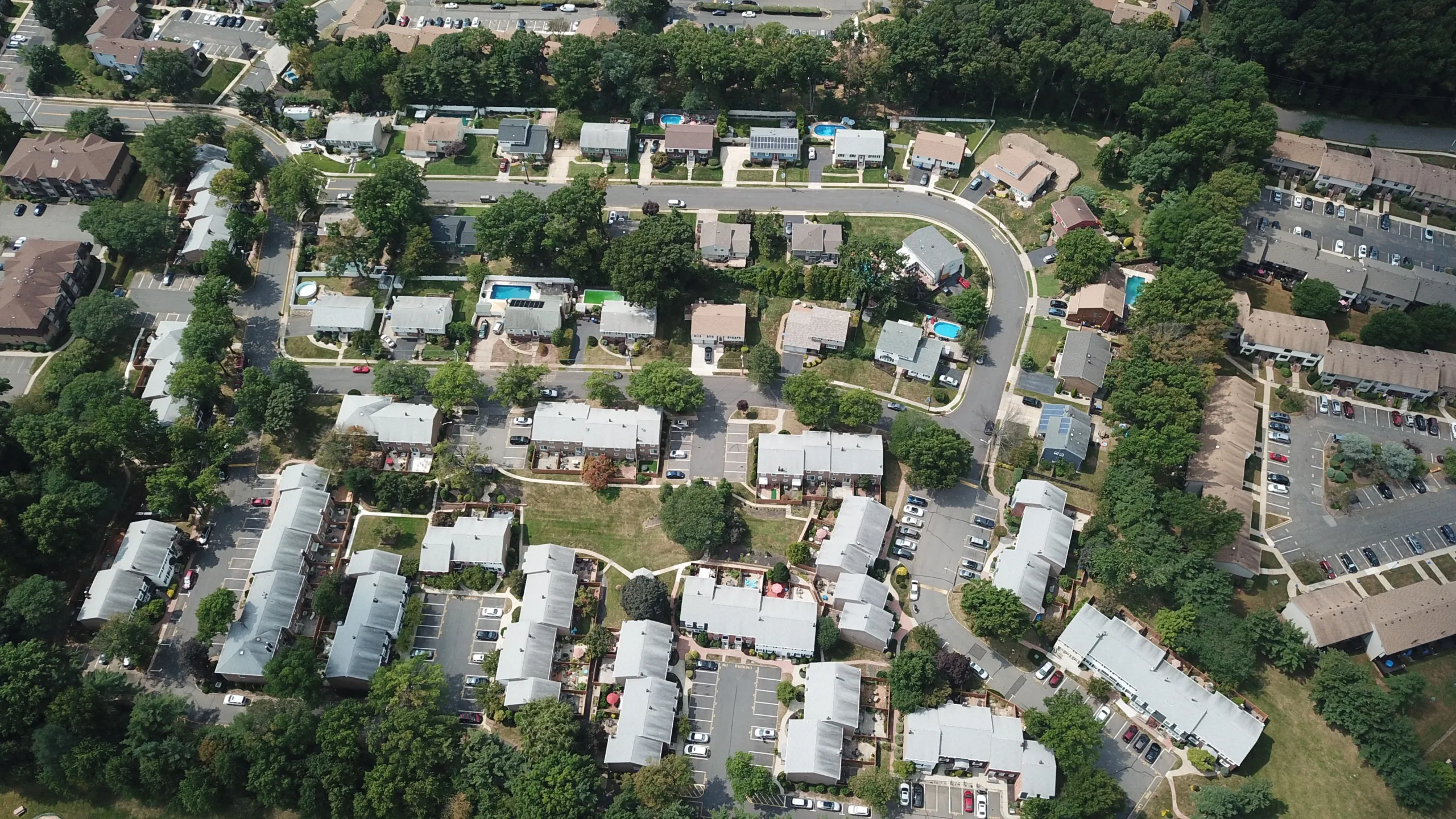
Unlike much of the Northeast, southern Delaware keeps building. Lax development rules and open land let builders meet demand. Similar demographic shifts are pushing homebuilders nationwide to rethink housing types and community designs for changing buyer needs. They are moving inland, turning farm fields into residential communities, much of it marketed to buyers 55 and older.
That has widened options even as beach-area values surged. The pace has a cost. New arrivals and longtime residents alike complain about overdevelopment. Sussex schools now need modular classrooms for overcrowding.
Healthcare Races to Catch Up
Healthcare is the biggest strain. The federal government had labeled Sussex “medically underserved” even before the boom. Residents 80 and older will more than double by 2040, per Delaware Population Consortium projections. Beebe Healthcare, the 110-year-old community hospital in Lewes, is adding staff and opening facilities. It has hired more than 50 doctors in four years, a 47% increase. It also launched a family medicine residency in 2023. Pennsylvania-based Novus Medical Services opened a Milton clinic in July. Business growth is broad, with establishments up 49% from 2020 to 2025, per BLS data.
What’s Next
Growth is now a defining local issue. For the second election cycle running, it dominates Sussex County Council races. The winners will help rewrite the county’s comprehensive plan, due by 2028. In 2024, challengers who pushed to slow development beat three incumbents. Officials expect the next wave of arrivals to skew younger and working-age, as employers recruit from outside the region. Housing for those workers, plus overdue upgrades to two-lane roads, will shape how the county absorbs the boom.