



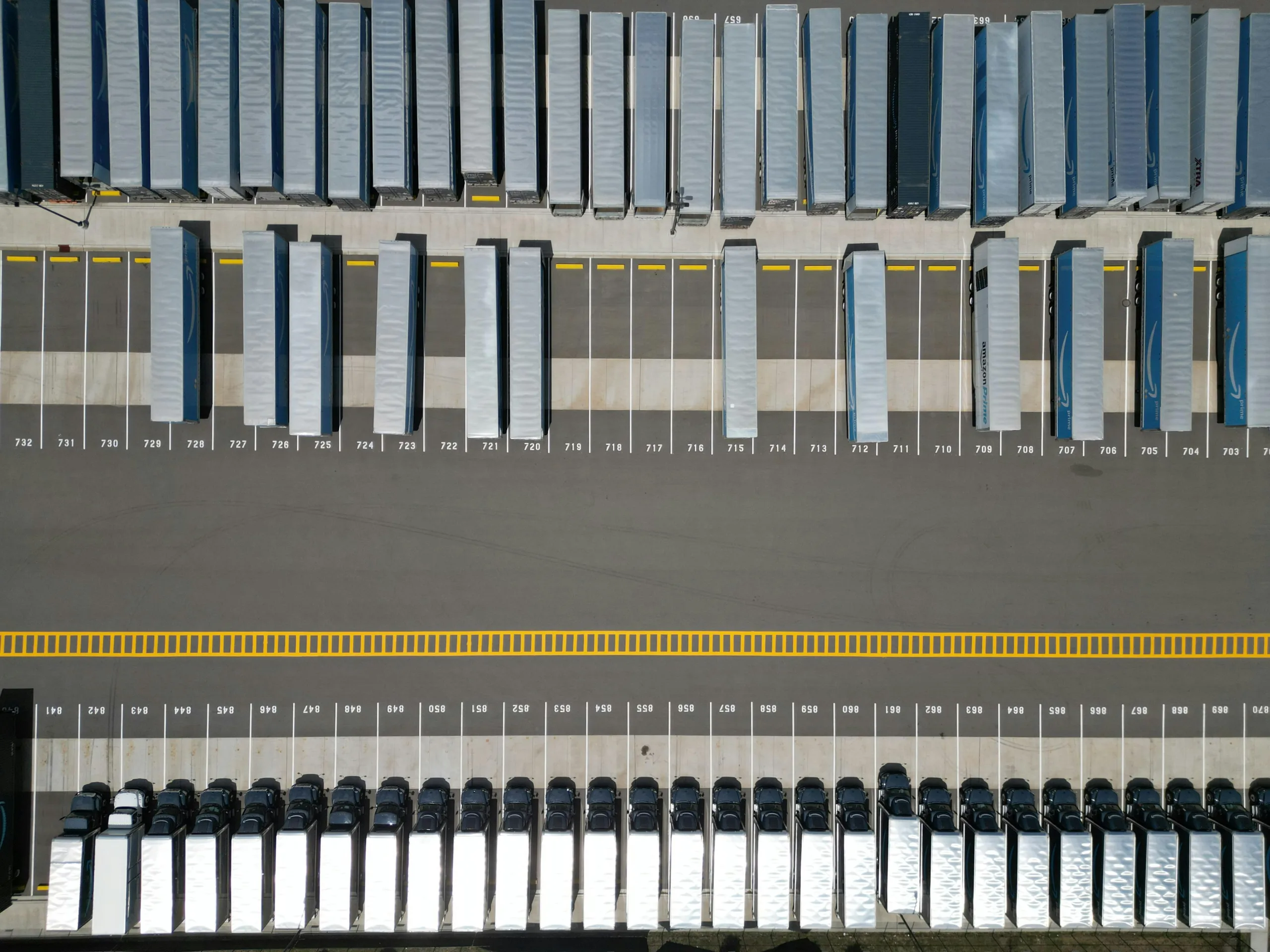
- Dallas–Fort Worth had 29.6M SF of industrial space under construction in February 2026, the largest pipeline among major US logistics markets, according to Yardi Matrix.
- Developers and occupiers continue to bet on the Metroplex with billion-dollar manufacturing projects, large build-to-suits, and major warehouse leases driving activity across the region.
- Despite elevated supply deliveries, Dallas vacancy remained near the national average while rents continued climbing, signaling ongoing tenant demand for modern logistics space.
The Commercial Property Executive reports that Dallas–Fort Worth continues to separate itself from other US logistics markets as industrial development, leasing, and investment activity remained elevated entering 2026. According to Yardi Matrix’s February 2026 industrial report, the Metroplex led the country in construction pipeline volume, completions, and year-to-date industrial sales activity.
The scale of activity underscores how Dallas industrial development has evolved beyond traditional warehouse distribution into a broader manufacturing and logistics ecosystem. Large occupiers continue targeting the region for both e-commerce fulfillment and advanced industrial operations, particularly around AllianceTexas and southern Dallas County.
A Pipeline That Keeps Growing
Dallas had 103 industrial projects totaling 29.6M SF under construction as of February 2026, according to Yardi Matrix. That represented 2.8% of the market’s total inventory, significantly above the 1.8% national average.
The Metroplex outpaced every major industrial peer market by a wide margin. Phoenix ranked second with 20M SF under construction, while Chicago followed with 11.1M SF. Indianapolis and Kansas City posted substantially smaller pipelines at 6.4M SF and 3.5M SF, respectively. Phoenix’s elevated construction activity also extends beyond industrial assets, with the metro continuing to rank among the country’s busiest markets for build-to-rent housing development.
The growth is particularly notable compared to early 2025, when Dallas had just 5.8M SF underway. Developers also broke ground on another 2.3M SF across 11 projects during the first two months of the year.
Get Smarter About What Matters in Texas
Subscribe to our free newsletter covering the biggest commercial real estate stories across Texas — delivered in just 5 minutes.
The Details
Several large-scale projects are driving Dallas–Fort Worth’s industrial expansion in 2026.
Medline started construction on a 1.2M SF distribution center in Midlothian, Texas, with the company investing roughly $150M into the project. The facility is expected to become operational in 2027.
Meanwhile, MP Materials announced plans for a $1.25B rare earth magnet manufacturing campus called 10X in Northlake, Texas. The project will span 120 acres within Hillwood’s AllianceTexas development and include multiple industrial buildings dedicated to domestic magnet production.
Logistics Property Co. also expanded its Texas footprint with plans for Bear Creek Logistics Park, a 1.5M SF, five-building industrial campus in Dallas–Fort Worth. The developer expects to begin construction during Q2 2026 with completion slated for early 2028.
Dallas also led major industrial markets in deliveries through February, bringing nearly 3.9M SF online across 22 facilities, per Yardi Matrix. Chicago followed with 2.9M SF, while Atlanta, Indianapolis, and Kansas City lagged significantly behind.
Among the larger completions, Hillwood delivered an 800,000 SF build-to-suit distribution center in Fort Worth for DICK’S Sporting Goods. The project sits within the Risinger/35 Logistics Park near Interstate 35.
Manufacturing Joins the Logistics Boom
Dallas industrial growth increasingly reflects manufacturing demand alongside traditional warehouse distribution. The MP Materials investment is one of the clearest examples of the region’s shift toward advanced industrial production tied to federal reshoring and domestic supply chain initiatives.
The Metroplex’s central location, transportation infrastructure, and comparatively lower operating costs continue attracting both manufacturers and logistics operators. AllianceTexas alone has emerged as one of the country’s most active industrial ecosystems, blending air cargo, rail, warehousing, and manufacturing operations across a massive master-planned logistics network.
Leasing activity also remained healthy despite the wave of new supply. DSV Contract Logistics signed a lease for more than 1M SF at Northlake 35 Logistics Park during Q1 2026. According to Colliers, the deal ranks among the largest industrial leases completed in Northlake in recent years.
On the investment side, Dallas recorded $955M in industrial sales volume through February, the highest total nationally, according to Yardi Matrix. Average pricing reached $126 PSF.
One of the largest transactions involved Mapletree Investments selling a 1.4M SF industrial portfolio to Dalfen Industrial for $207.5M. Thirteen of the portfolio’s 19 warehouse properties were located in Dallas–Fort Worth.
Why It Matters
Dallas remains one of the clearest indicators of where institutional industrial capital is flowing in 2026. While many US markets are slowing development activity amid higher financing costs and softer tenant demand, Dallas continues adding supply at scale while maintaining relatively stable fundamentals.
Vacancy reached 9.1% in February, just below the 9.2% national average, according to Yardi Matrix. At the same time, in-place industrial rents climbed 6.5% year-over-year to $6.85 PSF, suggesting landlords still retain pricing power despite elevated deliveries.
The market’s ability to absorb millions of SF while sustaining rent growth will likely shape broader investor confidence in Sun Belt industrial markets throughout the year.
What’s Next
Dallas industrial development is unlikely to slow meaningfully in the near term. Large-scale manufacturing investments tied to reshoring, EV supply chains, and domestic production incentives are expected to keep fueling demand for industrial land and modern facilities across North Texas.
The biggest variable moving forward will be absorption. With nearly 30M SF still under construction, tenant demand must remain strong enough to prevent vacancy from rising materially above national averages.
For now, Dallas continues operating as the country’s most active industrial growth market — and developers are still building as if occupier demand has room to run.