




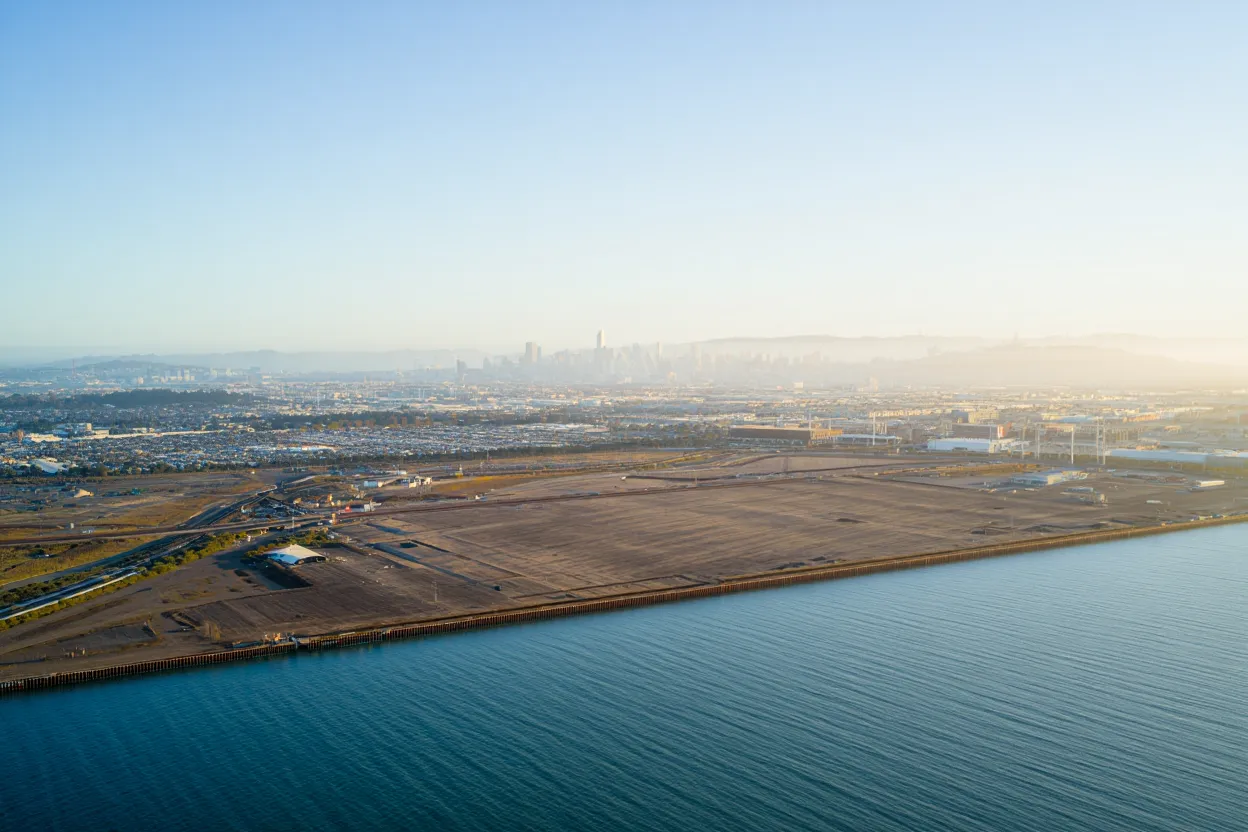
- Five Point will break ground in September on a 270-acre mixed-use redevelopment at the old Candlestick Park site.
- The first phase will lay infrastructure to support about 675 homes, with the full master plan ultimately delivering over 7,200 residences plus offices, retail, and parks.
- The project marks one of the Bay Area’s largest urban infill developments amid persistent housing shortages—but faces challenges from market cycles and Candlestick’s notorious weather.
A Decade-Long Wait for a New Community
According to The Wall Street Journal, San Francisco demolished Candlestick Park in 2015 after decades of serving the Giants and 49ers. The site then sat vacant for years as the Bay Area’s housing shortage worsened.
Now, after years of delays and revised plans, Five Point will transform the 270-acre site. The project will add homes, offices, parks, and retail space.
The launch comes as San Francisco faces a housing shortage of about 130,000 homes in 2024, according to Zillow. Candlestick’s 7,200 planned homes could meaningfully expand supply in a constrained market.
Meanwhile, AI-driven growth and a more development-friendly city government have strengthened confidence in San Francisco’s recovery.
Get Smarter about what matters in CRE
Stay ahead of trends in commercial real estate with CRE Daily – the free newsletter delivering everything you need to start your day in just 5-minutes
The Long Road From Stadium to Housing
Candlestick’s redevelopment faced setbacks common to major urban infill projects. Early plans centered on a regional shopping mall tied to the Hunters Point Naval Shipyard redevelopment.
However, e-commerce weakened the mall strategy. A 2018 fraud scandal involving the Navy’s radioactive cleanup further delayed Hunters Point. Five Point then separated the projects and shifted its focus toward housing.
The pandemic created additional delays. Although the neighborhood faced less political resistance than wealthier districts, economic and environmental challenges remained.
Developers also needed hundreds of millions upfront for roads and utilities. As market conditions changed, financing became harder, delaying construction for several more years.
The Details
Five Point’s master plan spans 270 acres at Candlestick Point. The project includes more than 7,200 homes, retail space, offices, and public parks.
Construction begins in September with roads, utilities, and public spaces serving the first seven development blocks. That phase will support about 675 homes. Infrastructure work should finish within two years.
The first phase costs more than $130M, according to San Francisco’s Office of Community Investment and Infrastructure. Five Point will fund most costs before receiving reimbursement through future property tax revenue.
A $20M Federal Highway Administration grant also supports the project. Five Point will prepare entitled, infrastructure-ready sites before selling them to builders and commercial developers.
The company previously used this strategy at Irvine’s 2,100-acre El Toro Marine Corps Air Station redevelopment.
Bay Area Housing Deficit and Market Shifts
San Francisco’s housing shortage continues to pressure the market. Zillow estimated the city lacked about 130,000 homes in 2024.
Rents have climbed more than 10% over the past year. Apartment vacancy has also dropped below 4%. Recent federal housing policy changes have also reshaped developer expectations, even as affordability challenges continue across many markets.
Office leasing has recovered, especially among AI and technology companies. However, condo values remain below pre-pandemic levels, according to Polaris Pacific.
Candlestick has received broader community support than projects in wealthier neighborhoods. Many residents view Bayview-Hunters Point as overdue for investment and job growth.
Still, Five Point must attract companies to a district more than five miles south of San Francisco’s traditional office core. Similar doubts surrounded Mission Bay before AI and life science firms fueled its growth.
Why It Matters
Candlestick offers one of the largest transit-accessible redevelopment sites within San Francisco. Large sites like this remain extremely rare because of high land costs and development opposition.
The project will test whether large mixed-use districts can address housing shortages more effectively than smaller infill developments. Investors and homebuilders have monitored the site for years because of its scale.
Adding more than 7,200 homes could significantly affect local housing supply. San Francisco delivered fewer than 4,000 homes annually over the past five years, according to the California Department of Housing and Community Development.
If successful, Candlestick could encourage similar redevelopments on underused public and industrial land across other high-demand US markets.
However, risks remain. Office and condo demand still trails pre-pandemic expectations. Developers must also overcome the site’s cold, windy microclimate.
Planners believe the former stadium intensified those conditions. Meteorologists expect strong winds to remain part of the area’s environment.
What’s Next
Five Point expects to complete the first infrastructure phase within two years after September’s groundbreaking. Residential construction should follow as infrastructure reaches key milestones.
The company will then market entitled residential and commercial parcels to builders and employers. Early commitments from major office tenants and developers will help validate the project’s long-term vision.
Meanwhile, San Francisco will closely watch Candlestick as a model for future large-scale redevelopment. The project will test whether master-planned communities can overcome the Bay Area’s regulatory, political, and market challenges.