






- NYC self-storage supply is set to grow 21.8% in 2026, per StorageCafe, but developer Chananya Bineth says that reflects delayed deliveries, not a new wave.
- Financing for deals has moved from around 6% to 8% to 9% as Treasury yields rose, and lenders are underwriting conservatively after disappointing lease-ups.
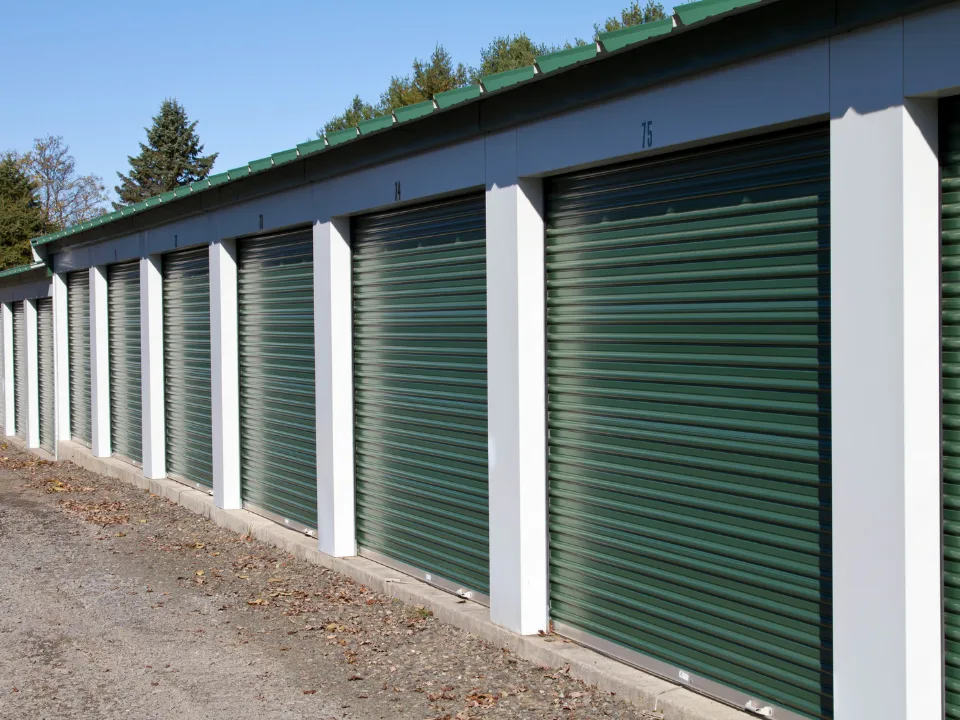
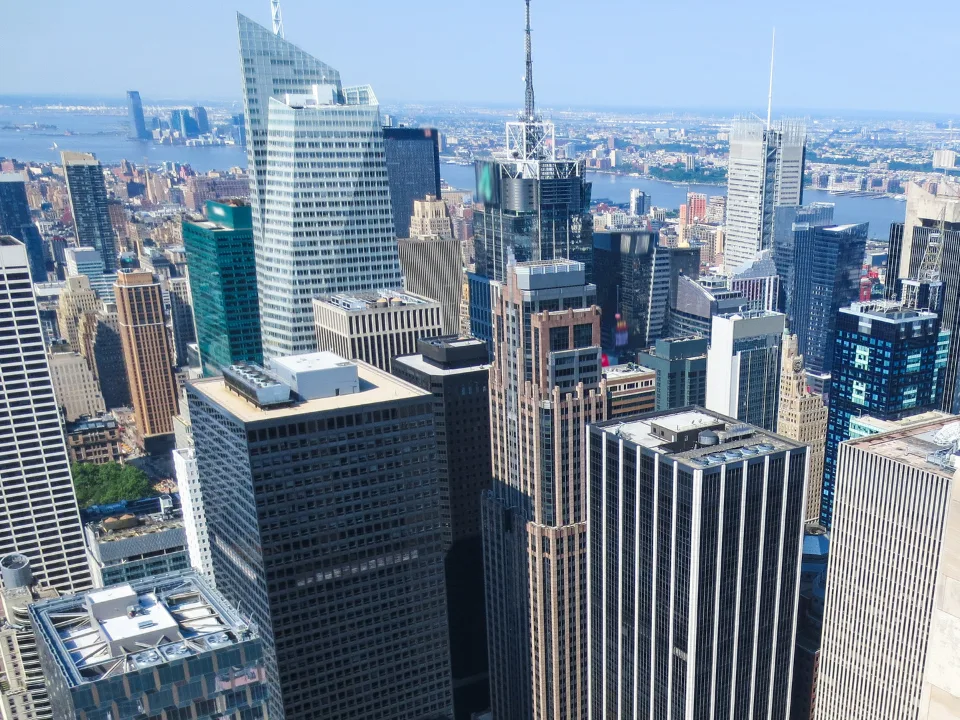
- With just 294 facilities and 24.6 million square feet citywide, existing landlords keep a supply-constrained market, while developers say tax abatements would be needed to change that.
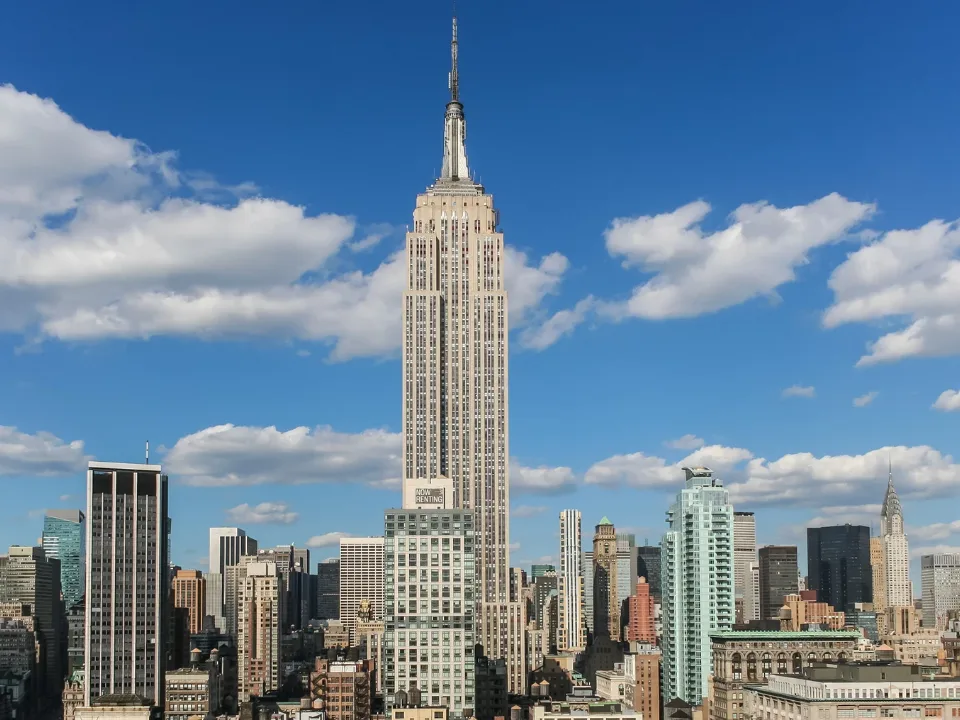
New York City’s push for housing is leaving self-storage developers behind, according to GlobeSt, which is good news for existing landlords.
StorageCafe projects new supply up 21.8% in 2026, but local developers say the gain is smaller than it looks.
Get Smarter about what matters in CRE
Stay ahead of trends in commercial real estate with CRE Daily – the free newsletter delivering everything you need to start your day in just 5-minutes
A Resilient Market
Chananya Bineth, founder of Bineth & Group, told GlobeSt the increase is insignificant because only delayed deliveries are coming online. Little new development is on the way.
He does not expect rent growth or occupancy to change much, since strong occupancy keeps the city market resilient. In smaller towns, he said, new supply can quickly force price cuts.
Costs and Financing
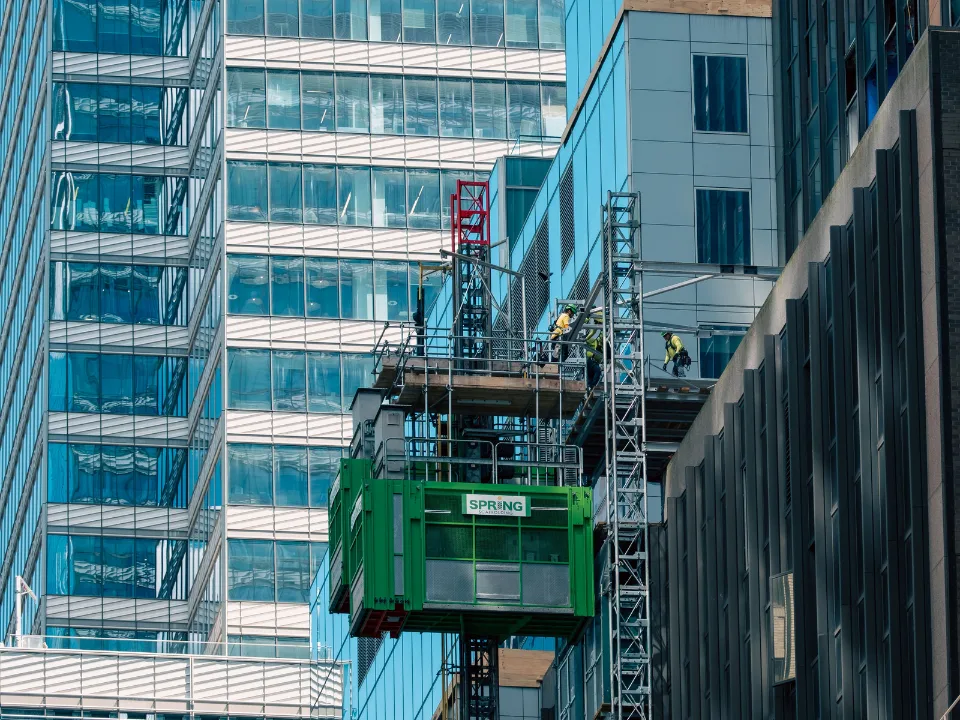
Bineth told GlobeSt it has become hard to make the numbers work. Rates moved from about 6% to a range of 8% to 9% during the deal-making process as Treasury yields jumped in recent weeks.
Lenders are underwriting conservatively, he said, and those that financed self storage have been disappointed with lease-ups. Our coverage of self-storage REITs showed the operating side is healthy, with Extra Space’s same-store NOI up 4.6% in Q3 and CubeSmart’s up 2.1%, according to Inside Self-Storage.
NYC’s Own Hurdles
Bineth cited safety requirements, a high volume of violations and dense streets, plus restrictive industrial and commercial zoning, as barriers.
His firm has been in self storage since 2021 but has not entered the city. It could not find a site within a two-hour radius, and bought its first property in Elizabeth, N.J.
Why It Matters
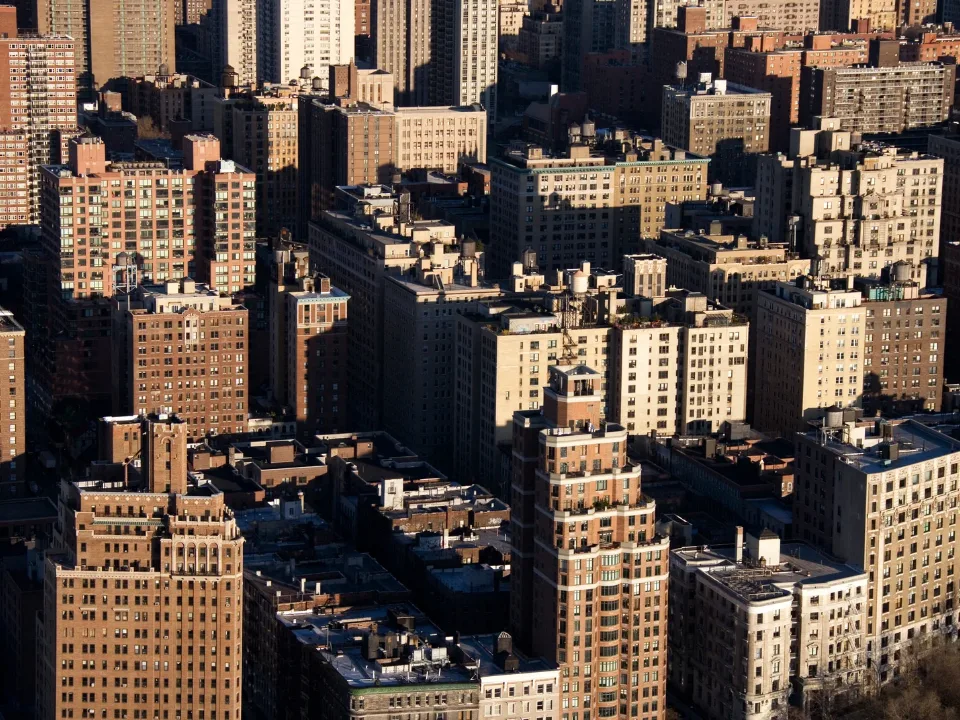
The city wants about 700,000 new homes over 10 years, and more than two-thirds of residents were renters in 2021, per the New York City Comptroller. Renters often lack space, which suggests demand for storage, but costs block new supply.
That keeps the market tight for owners of the city’s 294 facilities and 24.6M SF, according to StorageCafe. It also echoes the broader pattern in construction pipelines that are shrinking as costs delay the next cycle.
What’s Next
Bineth said a tax abatement for self storage would unleash more development, but he does not expect one under Mayor Zohran Mamdani’s housing-focused administration.