




- Developer Moishe Mana says Ken Griffin paid $1.1B for the Wynwood land where Carnegie Mellon University plans a Miami campus, a site Mana acquired for about $70M.
- Mana released a 2015 plan for up to 10M SF on the site that was never built, and he says he sold because he believed in Griffin’s vision.
- Wynwood office vacancy ran 22% in Q2 versus 15% across Miami, so campus-driven demand will still need to win large tenants from competing Brickell towers.
Developer Moishe Mana says Ken Griffin paid $1.1B for the Wynwood land where Carnegie Mellon University plans to open a Miami campus, according to Bloomberg.
Mana spent about $70M to acquire the site. He said he sold because he believed in Griffin’s vision and that the land was likely worth even more.
Get Smarter about what matters in CRE
Stay ahead of trends in commercial real estate with CRE Daily – the free newsletter delivering everything you need to start your day in just 5-minutes
An Early Bet on Wynwood
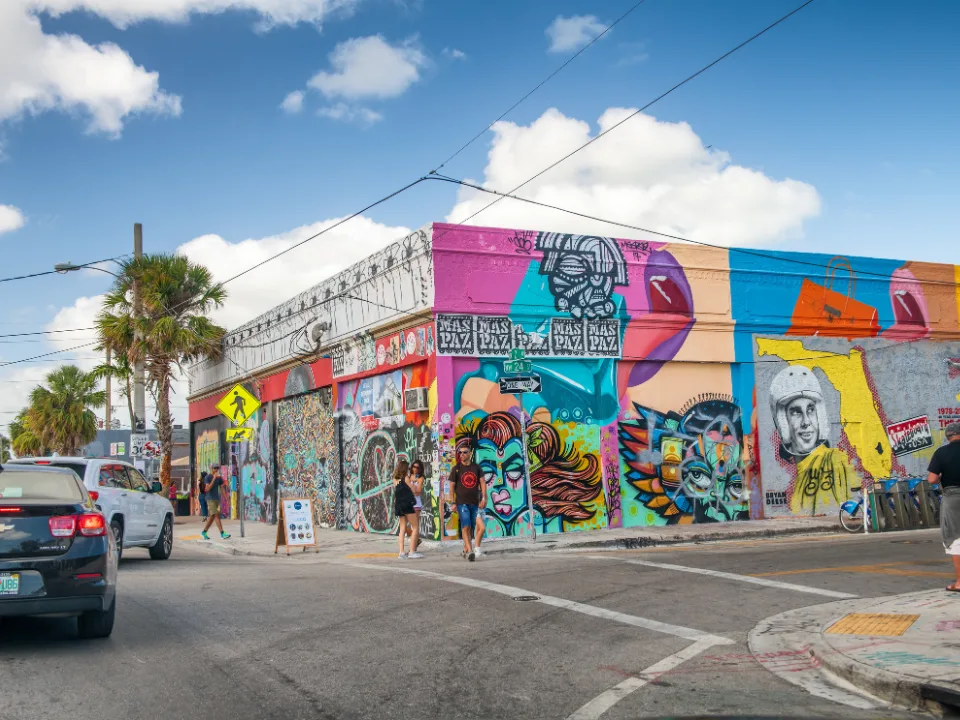
Mana arrived in Miami in 2009 and began buying in Wynwood. At the time, the district had vacant lots and graffiti-covered warehouses.
He emigrated from Israel to the U.S. in the 1980s. Later, he built a moving business in New York.
He saw echoes of SoHo, another gritty industrial neighborhood that became a hub for boutiques and restaurants. His Wynwood holdings grew to include a convention center, a concert venue, parking lots and empty land. Mana did not want residential towers to fill the area.
Bloomberg describes Mana as an eccentric figure in Miami business. He is known for hiring artists to paint giant reproductions of masterpieces on his downtown buildings.
A 10M SF Plan That Never Got Built
In 2015, Mana released plans for up to 10M SF of development on the same site he has now sold. However, the project was never built.
He owns about 80 properties in downtown Miami. Mana described the Griffin deal as “not really about the money.” He said he simply passed the torch.
He compared Griffin to the Medici family, the underwriters of the Italian Renaissance.
Griffin’s Growing Footprint
Griffin, the Citadel founder, has been remaking Miami. Citadel’s future flagship skyscraper is rising in Brickell.
The land sale follows the Carnegie Mellon campus announcement.
This year, Griffin also bought an office building in Wynwood with Goldman Properties. The company owns a large portion of the surrounding area.
The glass tower near I-95 houses PricewaterhouseCoopers, the crypto exchange Gemini and MIAX. The options exchange opened Miami’s first trading floor last year.
Neighborhood Voices
Jessica Goldman Srebnick, co-chair of Goldman Properties, said she is grateful Mana sold to a group that will have a monumental impact on the neighborhood.
Her father, Tony Goldman, helped transform Wynwood. He lured artists to paint murals at Wynwood Walls, now a ticketed outdoor museum.
Architect Kobi Karp’s firm has designed hotels, offices and retail projects in Wynwood. He called the former Mana site “the 50-yard line” for its central location.
Karp said the neighborhood has not built enough to meet coming demand.
A Tougher Office Market
Wynwood’s office vacancy rate was 22% in the second quarter. By comparison, Miami’s rate was 15%, according to Blanca Commercial Real Estate.
The district competes with the modern skyscrapers of Brickell, Miami’s financial center.
Despite new upscale apartments, offices and restaurants, the area keeps much of its past feel. Murals cover low industrial buildings, while the area has few trees.
Some tech names are already there. Amazon opened a satellite office in Wynwood, and Peter Thiel’s Founders Fund is headquartered in the area.
Goldman Srebnick said “a lot of work” remains to attract large corporate tenants.
Why It Matters
The sale shows how much value a single large site can capture when an institutional-scale buyer commits to a neighborhood.
Mana turned roughly $70M into $1.1B, according to his own account. The land had sat undeveloped for years.
It also tests how far Wynwood can go as an office and innovation district. The wider market is tight, with the Miami-Dade office market seeing rents rise and availability fall.
However, Wynwood’s 22% vacancy shows it must still prove itself against Brickell.
What’s Next
Watch for design announcements, new tenants and further land moves by Griffin and Goldman Properties around the campus site.
Karp expects the Carnegie Mellon arrival to set off a development rush. He is likely to benefit from it.
The deeper question is whether Wynwood can add large corporate tenants without losing the artistic character that drew people there.