




- Berkadia says CRE distress is often building inside existing loans before defaults or completed distressed sales make the strain visible.
- Receivership activity and lender-involved sale assignments are increasing, while troubled properties can take six to 12 months to reach a sale.
- MSCI Real Capital Analytics data shows office and apartments represent 70% of outstanding CRE distress, with apartments accounting for 26%.
GlobeSt.com reports in its examination of lender and receivership activity that CRE distress may be further along than transaction data suggests. Berkadia Special Situations head Kyle Stevenson sees pressure building inside existing loan portfolios. Many troubled assets have not yet reached the market. Refinancing gaps, higher debt service, and approaching maturities are making some properties difficult or impossible to refinance.
Get Smarter about what matters in CRE
Stay ahead of trends in commercial real estate with CRE Daily – the free newsletter delivering everything you need to start your day in just 5-minutes
CRE Distress Builds Before Default
Loans originated when rates and cap rates were lower now face a much tougher refinancing environment. Stevenson said some multifamily sponsors have little or no equity left after values fell and financing costs rose. A borrower can still be current on a fixed-rate loan and face a major problem at maturity. Replacement debt may carry a much higher rate. Property income may then fail to cover the new debt service. That dynamic delays visible defaults even as the economic problem becomes harder to solve. It also means maturity dates can become the point when hidden stress turns into a transaction.
The Details
Receivers provide one of the clearest early signals. Stevenson said court-appointed receivers are as busy as they have ever been as lenders send them more troubled properties. Those cases can remain outside normal transaction statistics for months. Courts, managers, and advisers may need time to prepare an asset for sale. Stevenson said a receivership sale commonly takes six to 12 months to work through the system. Investment sales teams are also seeing more lender-driven assignments. In some cases, lenders have not formally taken control but are still pressing for a market test. Stevenson said buyers often gravitate toward deals where they expect lender pressure.
Older Apartments Face the Sharpest Pressure
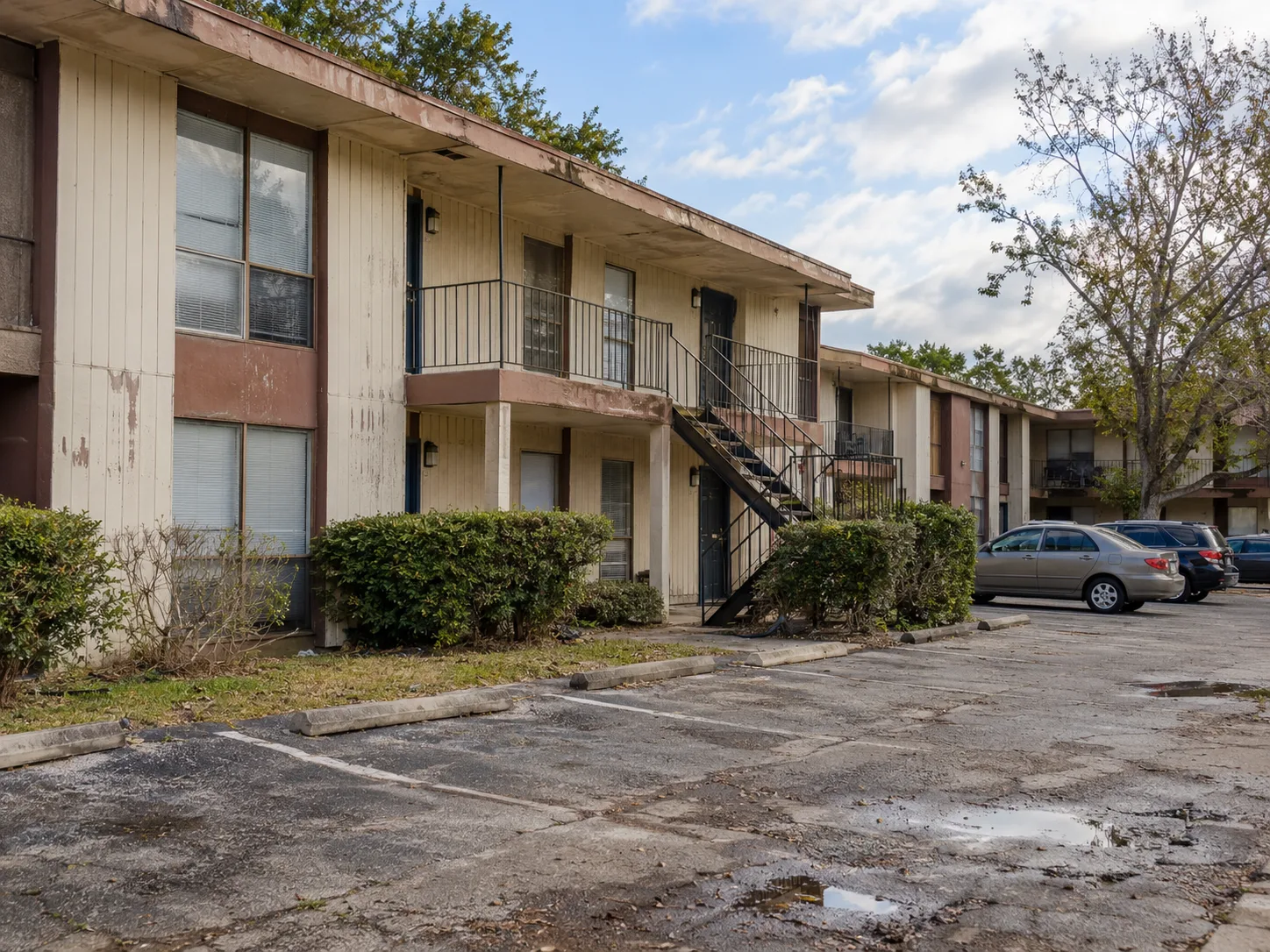
Berkadia sees particular risk in multifamily assets financed with floating-rate debt during the 2021 and 2022 buying surge. Stevenson also pointed to 1970s- and 1980s-vintage Class C apartments with low occupancy, deferred maintenance, and significant capital needs. Owners that run out of cash can fall further behind because they cannot repair units or fund improvements. The buyer pool has narrowed as many investors favor 1990s-or-newer properties. Some syndicators that once bought older apartments have also lost equity. Stevenson said certain hotels can face similar problems when they are obsolete, undercapitalized, or unable to support a repositioning plan.
Lenders Are Choosing Business Plans
Distress does not automatically produce a fire sale. Stevenson said lenders compare a property’s as-is value with its potential stabilized value. That stabilized value may depend on renovations, lease-up, or operating changes. Debt funds, private equity firms, and other nonbank lenders may be able to take control and invest more capital. They do not always need to sell immediately. Lender extensions have already delayed parts of the distress cycle. Stevenson described the current approach as more active than simple delay. Lenders can extend while also running a business plan intended to create value.
Why It Matters
MSCI Real Capital Analytics data cited by GlobeSt.com showed distressed apartment sales were 4.77% of total US apartment sales in Q2 2026. Office represented 44% of outstanding CRE distress and apartments 26%. Together, the two sectors accounted for 70%. Geographic conditions also matter. Rent-stabilized New York apartments contribute to pressure in the Northeast. Heavy Sun Belt supply can limit occupancy and rent growth for troubled assets. Stevenson specifically cited Austin. Owners there may have less ability to grow income enough to solve capital-structure problems. That makes property operations and local supply as important as the debt itself.
What’s Next
Stevenson expects more assets to reach the market as maturities approach. He said lenders and borrowers are increasingly testing sale options six to 12 months before loans come due. He also expects the broader problem set to increase for another 12 to 24 months. The process is likely to remain gradual rather than driven by one defining market event. Investors may therefore see the clearest signals before completed sales appear. Receiverships, lender-driven marketing, undercapitalized older properties, and hard-to-refinance maturities are the indicators to watch.