



- Toys R Us plans 120 temporary standalone stores for the holiday season, compared with 36 permanent US locations.
- The pop-ups expand a 2023 strategy that used 24 temporary stores, while the brand also adds airport and shop-in-shop formats.
- National retail vacancy was 4.2% at the end of June, with limited new construction keeping available space relatively tight.
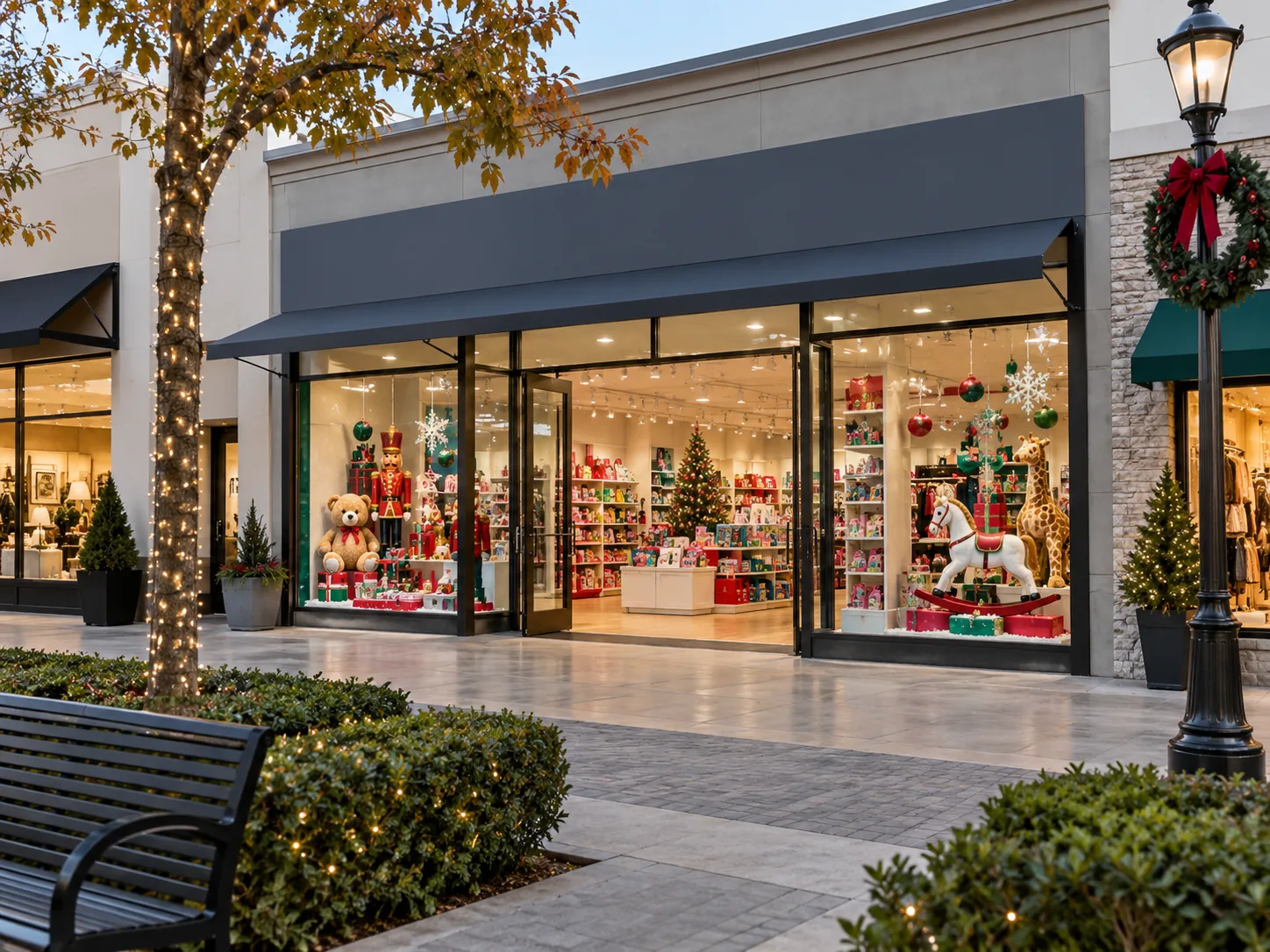
Toys R Us is preparing a major temporary store expansion for the holiday season. Bisnow reports the retailer plans to open 120 standalone pop-up locations, compared with 36 permanent stores across 22 states. The move would temporarily quadruple the brand’s standalone footprint as it continues rebuilding its physical retail presence.
Get Smarter about what matters in CRE
Stay ahead of trends in commercial real estate with CRE Daily – the free newsletter delivering everything you need to start your day in just 5-minutes
Toys R Us Stores Lean on Pop-Ups
The plan expands a model Toys R Us tested in 2023. Parent company WHP Global opened 24 temporary stores in key cities and added airport activations. WHP is again partnering with Go Real Group, an Austin-based operator of pop-up concepts across six countries.
The retailer is also adding more experiential elements. Some stores will include content studios for influencers and toy brands, while others will feature candy shops and cafes. Featured merchandise will include brands such as Lego, Barbie, Hot Wheels, and Pokémon.
The Details
Toys R Us is extending the strategy beyond standalone stores. It plans two shops-in-shops at Orlando International Airport. Those will add to other airport formats, Macy’s store-within-a-store locations, and its Navy Exchange Service Command partnership.
The company has not announced specific addresses or a schedule for when the 120 temporary stores will open and close. That leaves the final real estate footprint unclear even as the planned store count signals a sizable short-term leasing push.
The mix lets the brand place merchandise in several retail settings without rebuilding a national big-box chain. Temporary stores can use short holiday windows, while shop-in-shops depend on existing host traffic.
The Brand Is Still Rebuilding After Bankruptcy
Toys R Us was once a dominant national retailer before e-commerce pressure contributed to its 2017 bankruptcy. Nearly all stores closed in 2018. The final two stores shut in 2021 after WHP Global acquired the brand.
WHP later opened a 20K SF experiential store at American Dream Mall in New Jersey and expanded through Macy’s. The American Dream location has since closed, underscoring the brand’s continued experimentation with formats rather than a return to its former big-box network.
Why It Matters
The expansion gives landlords a large seasonal user at a time when available retail space remains limited nationally. It also mirrors a broader holiday pop-up strategy built around temporary occupancy rather than permanent stores.
Colliers put national retail vacancy at 4.2% at the end of June. Only 8.7M SF of space delivered in the second quarter, while 56M SF remained under construction. Historically low construction has helped limit availability.
The retailer’s 120-store plan is large relative to its permanent base, but it is still temporary. That distinction matters for landlords evaluating whether holiday occupancy can translate into longer-term tenancy.
What’s Next
The near-term question is where the 120 stores will land and how long they will operate. Toys R Us has not released locations or exact opening dates. Performance during the holiday season will also show whether temporary stores, airport concepts, and shop-in-shops can keep expanding the brand’s physical reach.