








- Institutional capital represents 45% of industrial outdoor storage investment, up from 30% four years ago.
- IOS investment reached $14B to $16B in 2025, while national vacancy stood at 3.6% in Q2 2026.
- Data center developers now generate about 20% of new IOS demand, helping offset pressure from a contracting trucking sector.
Institutional investors are increasing exposure to industrial outdoor storage as tight supply supports larger transactions. Bisnow’s look at the industrial outdoor storage market shows data center construction has become a major new demand source. That growth is helping the sector absorb pressure from a struggling trucking industry.
Get Smarter about what matters in CRE
Stay ahead of trends in commercial real estate with CRE Daily – the free newsletter delivering everything you need to start your day in just 5-minutes
Institutional Capital Pushes Deal Sizes Higher
An August refinancing between Realterm and Starwood Property Trust reached a record $672M. The transaction covered 78 properties and 830 acres across 33 US markets. It underscored growing comfort with truck yards, equipment storage sites and other industrial outdoor storage assets. The financing was the largest deal cited in the market discussion. Institutional capital now accounts for 45% of investment in the sector, according to Matthews, up from 30% four years ago.
IOS investment reached $14B to $16B in 2025, a 15% increase from the prior year. Matthews projects 2026 deal activity will exceed that level. Matthews expects deal activity this year to outpace 2025. More funding sources are participating, including regional banks, CMBS lenders and private capital. Core-plus investors have also entered the market. Market participants expect more portfolio transactions as new capital sources pursue scale. Blake Rodgers of Steel Peak said the recent pace of trades is accelerating as institutional participation grows.
Industrial Outdoor Storage Fundamentals Stay Tight
Industrial outdoor storage remains supply constrained. National IOS vacancy was 3.6% in Q2 2026, according to CBRE, compared with 6.5% for industrial overall. Nationwide rents reached $11.07 PSF per month, up 1.6% from a year earlier. Those fundamentals compare favorably with the broader industrial market and help support investor interest. Max Heiden of Catalyst Investment Partners expects twice as many portfolio sales in 2026 as in 2025. He also expects record deal sizes as more groups compete for portfolios.
He attributes the expected increase to new players pursuing larger portfolios. Recent capital commitments include Clarion Partners funding a 2.3M-SF IOS portfolio in March 2025. Stockbridge Partners invested in a Texas portfolio later that year. Apex IOS, backed by Clarion, also acquired property in Jacksonville in early 2026. The activity shows investors using both direct acquisitions and platform backing to build exposure.
Data Centers Become a Major Demand Source
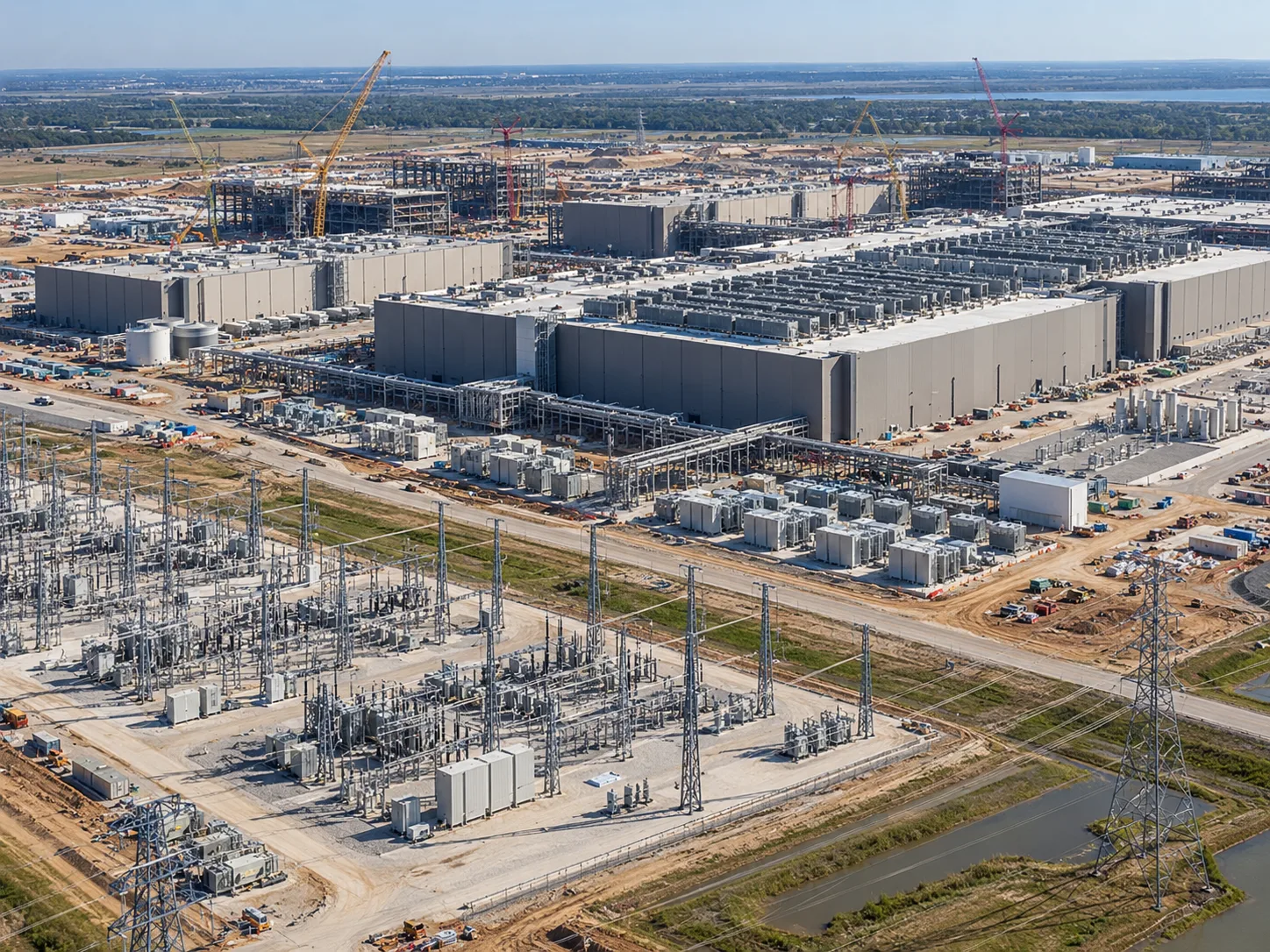
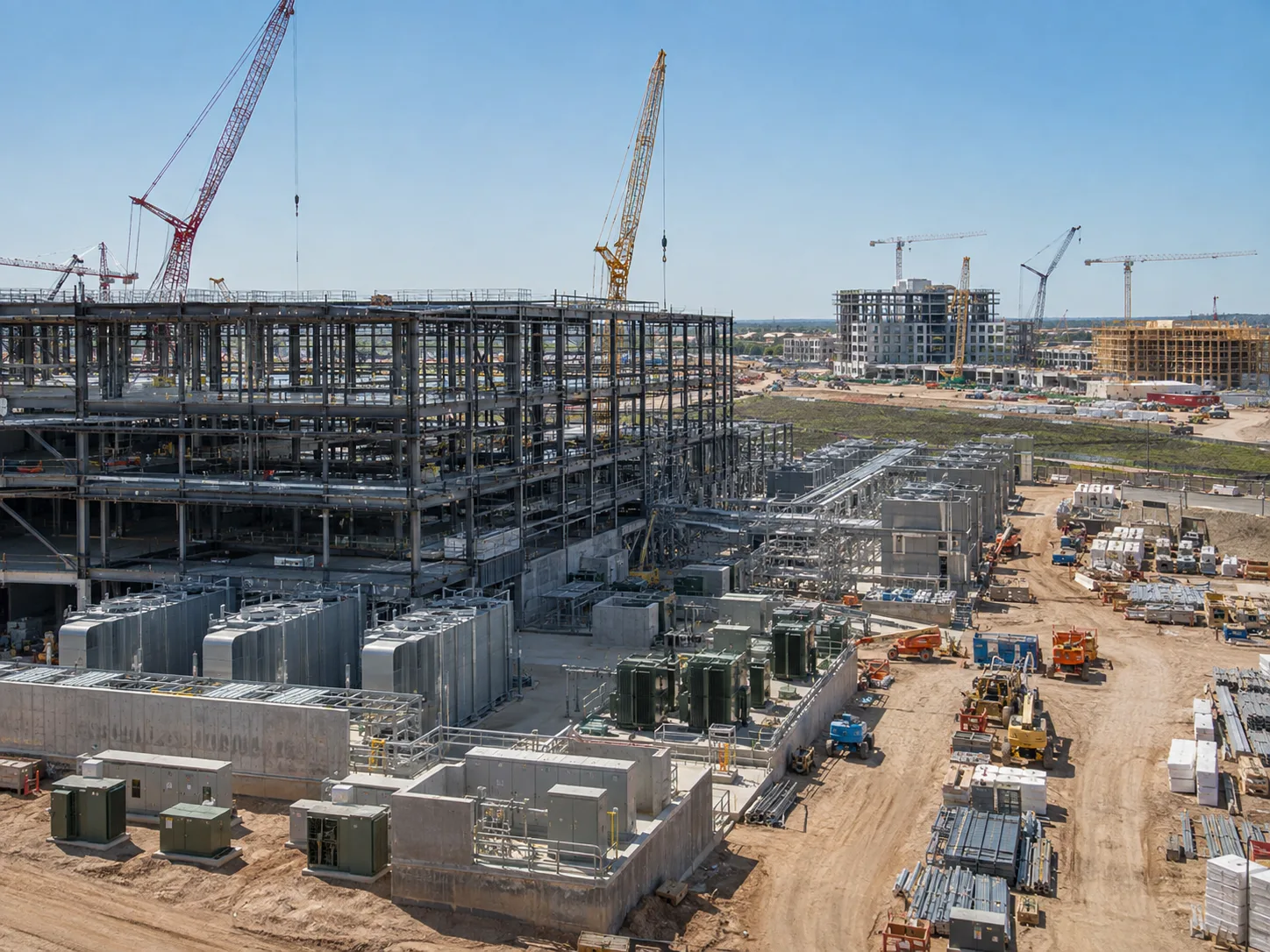
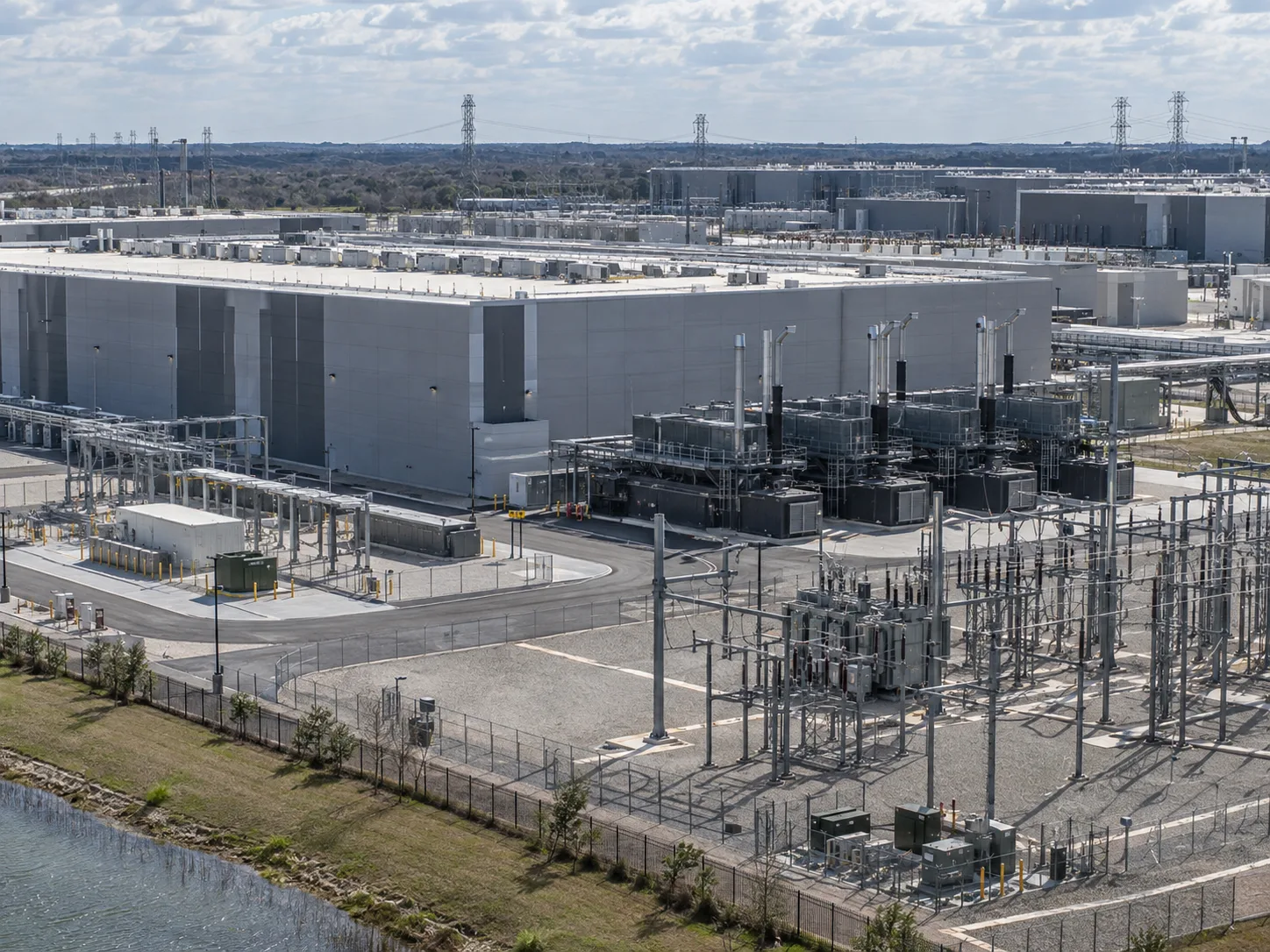
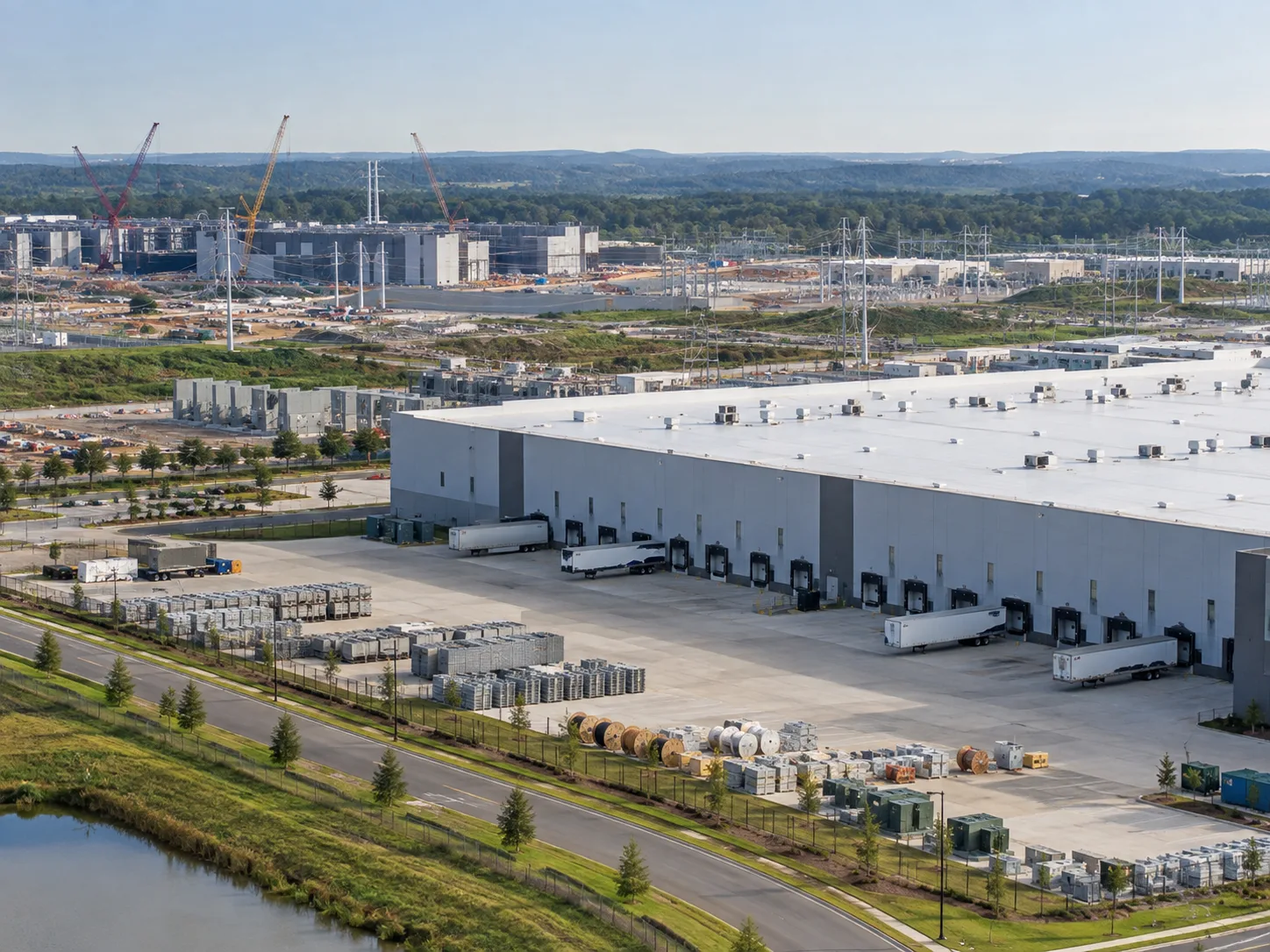
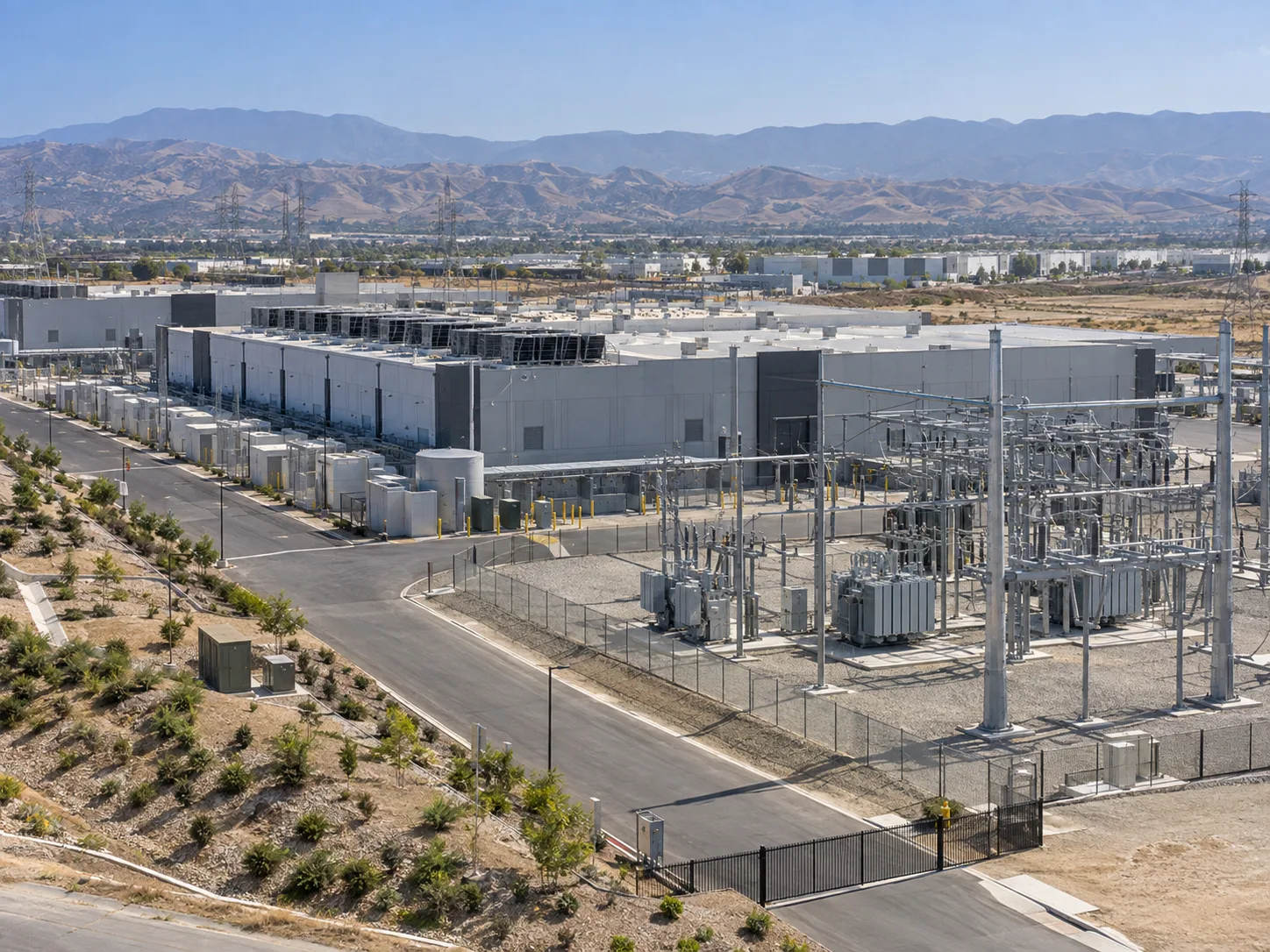
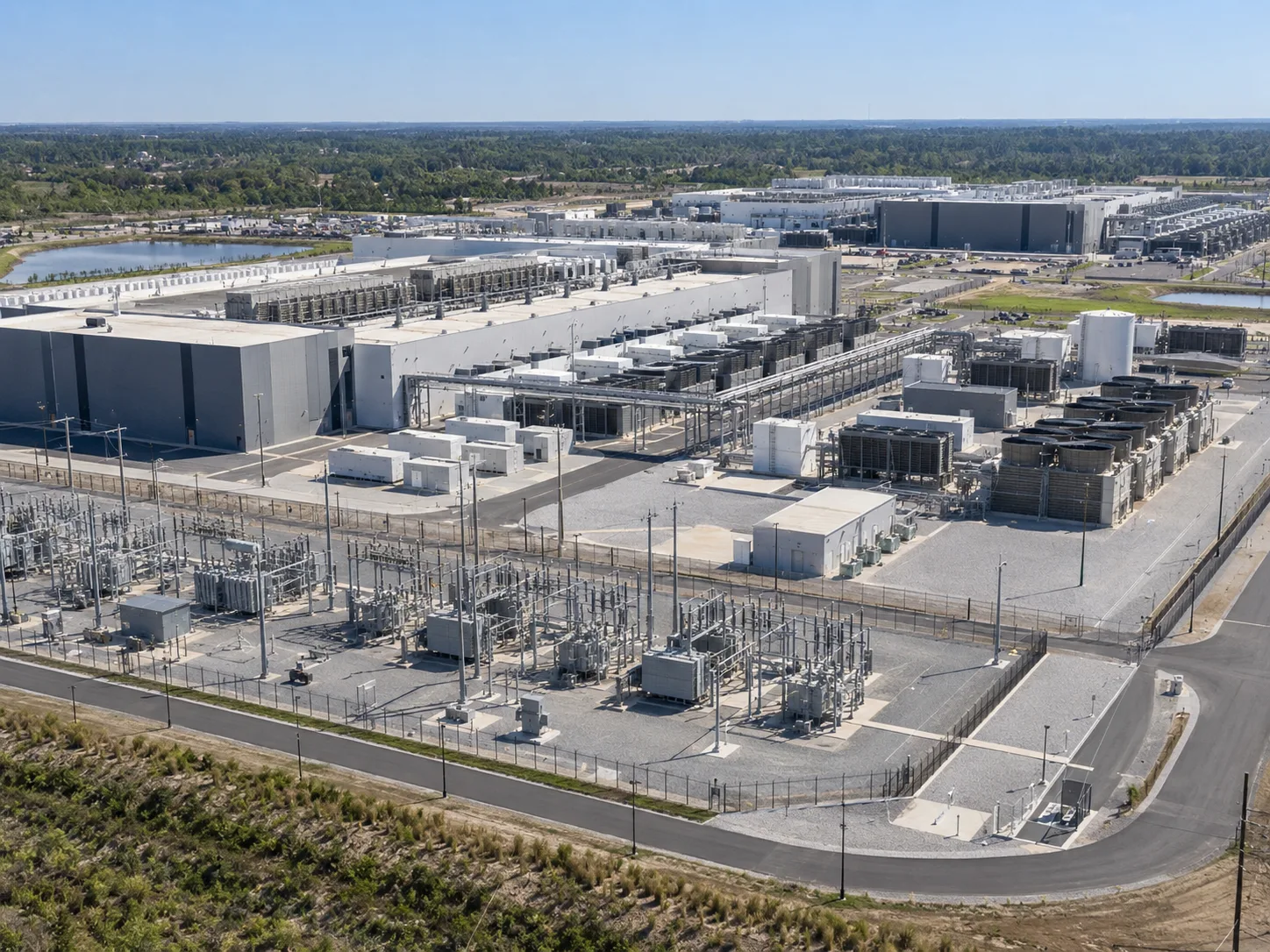
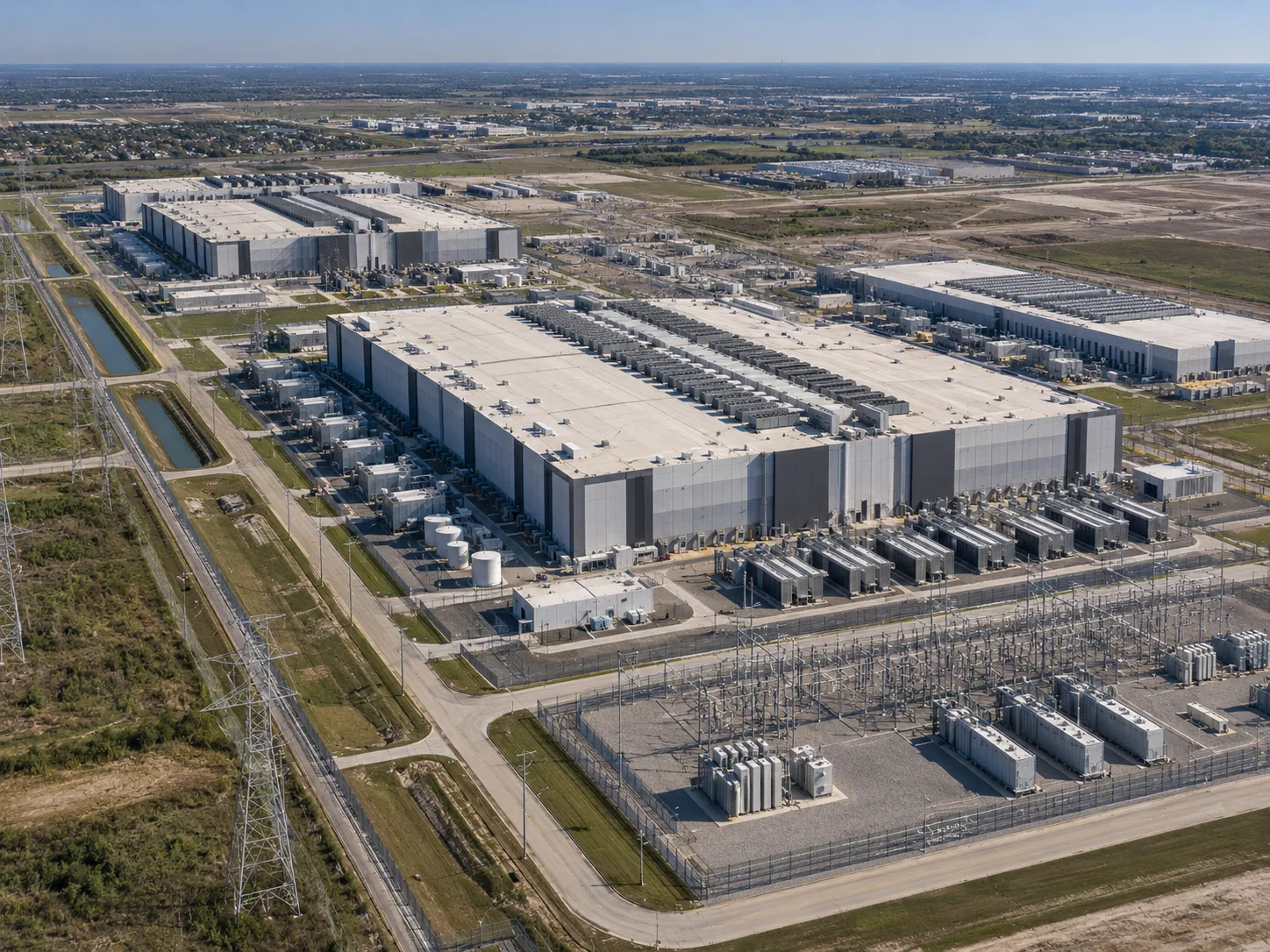
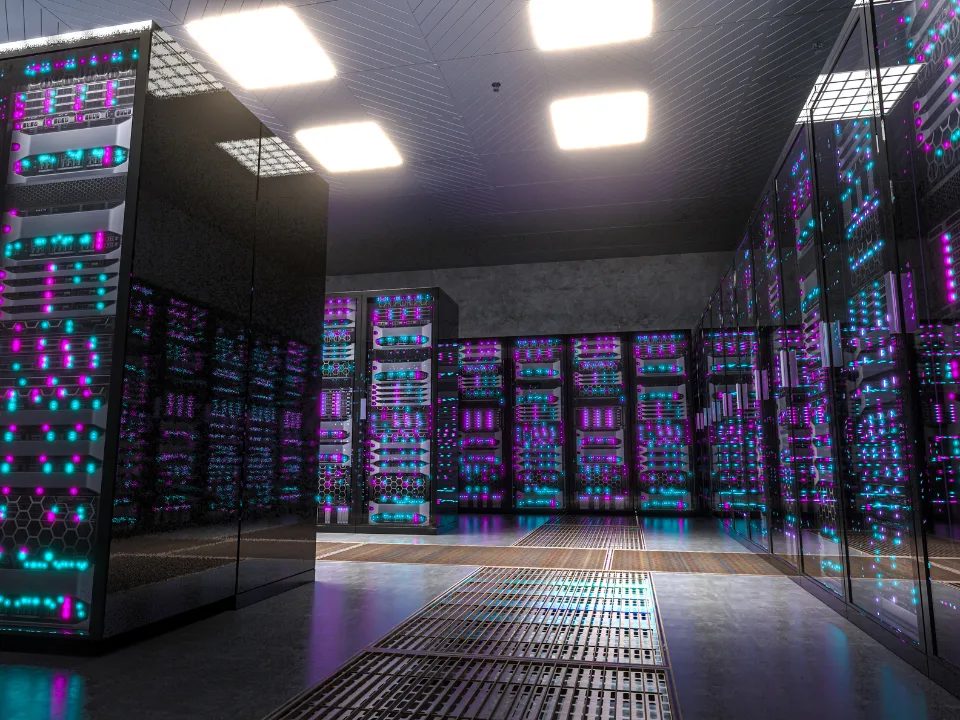
Data center developers now account for about 20% of new IOS demand, Heiden said. Developers use the sites for construction staging and storage of heavy equipment and building materials. Long construction schedules can keep that demand in place for years around major campuses. This creates a construction-related demand stream that differs from the sector’s traditional trucking use. Technology companies have also acquired IOS sites to support data center projects.
Meta’s $1.2B Idaho data center used a land assemblage that included industrial outdoor storage. Power-grid upgrades could create more demand from contractors storing large wire spools and other equipment. Google and Microsoft have also invested in IOS sites to advance data center plans. That growth is reinforcing data-center-driven industrial storage demand even as traditional logistics users face pressure. Equipment-rental companies may also benefit from the same construction cycle. In markets with large campuses, staging demand can remain active throughout multi-year buildouts.
Trucking Weakness Creates a Counterweight
The trucking industry remains a key risk for IOS demand. Carriers face high diesel costs, labor shortages and an industry-level downturn. Some operators are canceling parking leases as fleets shrink, creating modest contraction at certain yards. The weakness has already forced some trucking companies out of business. Federal enforcement has also tightened the driver pool. Transportation Secretary Sean Duffy moved to close about 300 driving schools, including more than 100 tied to English-proficiency concerns.
Homeland Security has increased enforcement at weigh stations. The resulting driver shortage has lengthened service times and contributed to higher shipping rates. Even with that pressure, owners report only modest lot contractions. Data center construction, grid work and equipment storage are broadening the tenant base. That diversification helps explain why investors continue to treat IOS as a proven niche despite weakness in one of its traditional demand engines. Large equipment-rental firms could also capture demand tied to the same buildout cycle.