



- New York City’s Office of Special Enforcement counted 3,500 registered legal short-term rental hosts as of June 2026, just 15% of the roughly 23,000 listings active before Local Law 18.
- More than three-quarters of registered hosts are homeowners rather than renters, and one- and two-family homes make up over two-thirds of legally registered units.
- The city has denied 65 applications tied to rent-regulated units and protected 618 affordable units from short-term rental conversion since the law took effect in 2023.
Short-term rentals still haven’t recovered in New York City, three years after one of the country’s most restrictive homesharing laws took effect. The city’s Office of Special Enforcement reported that 3,500 hosts had registered legal short-term rentals under Local Law 18 as of June 2026, according to The Real Deal, just 15% of the roughly 23,000 listings active on platforms like Airbnb and Vrbo before the law took effect in 2023.
Get Smarter About What Matters in New York
Subscribe to our free newsletter covering the biggest commercial real estate stories across the five boroughs — delivered in just 5 minutes.
How It Started
City lawmakers framed Local Law 18 as a tool to fight rising rents. They also wanted to keep units on the long-term market instead of nightly rental platforms.
The law requires hosts to register with the city. It also prohibits rentals of fewer than 30 days unless the host stays in the unit.
The rules also bar most rent-regulated units from the program.
Airbnb has repeatedly tried to roll back the restrictions. Its latest effort sought to suspend them during the World Cup.
Council Speaker Julie Menin rejected that proposal. She argued that even a temporary rollback could undermine housing stability for renters.
Earlier efforts to loosen the law also faced strong opposition. The hotel industry, the Hotel and Gaming Trades Council and tenant advocates all fought to keep the restrictions intact.
The Details
Homeowners make up more than three-quarters of newly registered hosts. Renters account for less than a quarter.
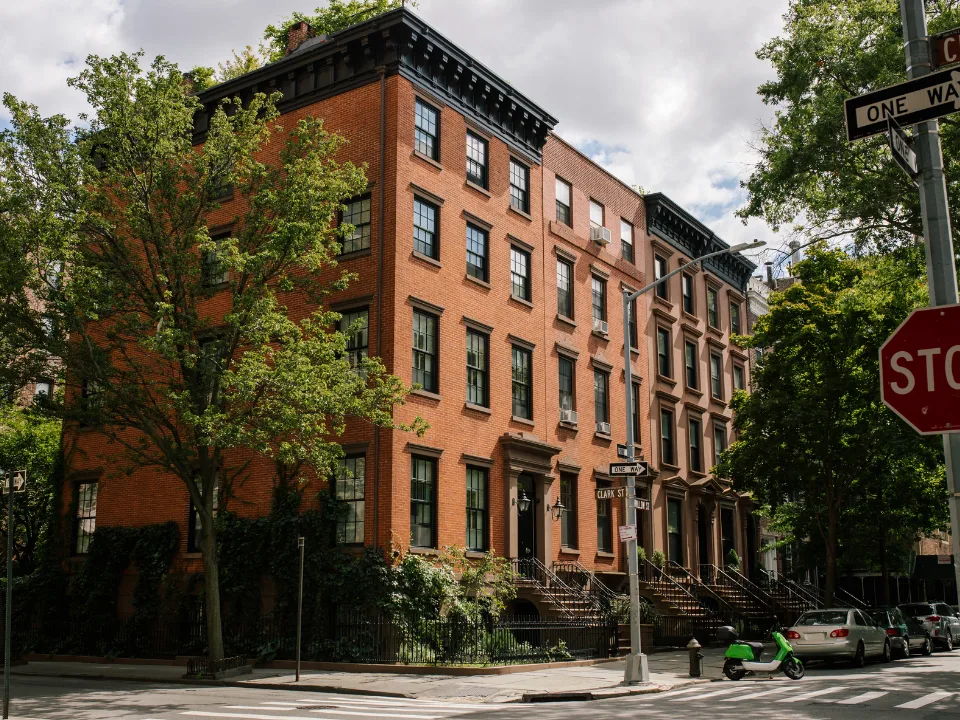
One- and two-family homes represent more than two-thirds of legally registered units. That mix differs sharply from the pre-2023 short-term rental market.
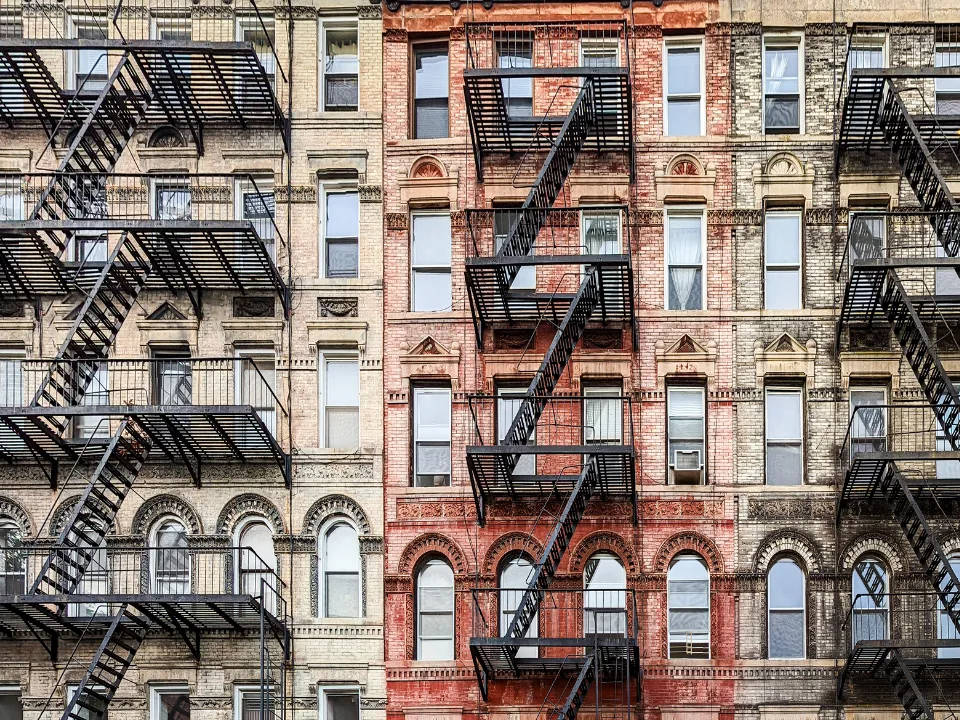
Before the law took effect, multi-unit apartment buildings made up a much larger share of short-term rentals.
The city said it denied 65 applications from owners seeking to use rent-regulated units as short-term rentals. Local Law 18 prohibits that practice.
Those denials brought the total number of affordable units shielded from conversion to 618.
Many other applicants failed to prove they permanently occupied the units in question. Meanwhile, the city issued 60% of violations in buildings with three or more units.
That segment represents the part of the market that the law most directly targeted.
Zooming Out
The persistent 85% drop suggests that Local Law 18 has done more than temporarily suppress listings. The law appears to have reshaped who can legally operate short-term rentals in the city.
Even Airbnb’s Manhattan office purchase earlier this year points to the company’s long-term commitment to New York.
The purchase also shows that Airbnb still sees value in the city despite the crackdown on its core listings business.
Why It Matters
For multifamily owners and developers, the law’s durability matters more than its headline intent.
That durability will face another test soon. World Cup housing demand next year is already pushing nightly rates higher across the city’s remaining legal short-term rental supply.
That demand creates the exact scenario Airbnb cited in its bid to loosen restrictions.
With short-term rental conversions largely off the table, smaller residential building owners have less incentive to hold units outside the traditional rental market.
City officials point to that dynamic as evidence that the law is working as intended.
The Hotel and Gaming Trades Council represents the city’s hotel workforce. The group has consistently framed any rollback as a direct threat to union jobs.
That position gives the law’s defenders political support beyond the tenant advocacy groups that first pushed for the restrictions.
What’s Next
Local Law 18 is now three years old and shows no signs of loosening. Expect continued sparring between Airbnb, the hotel industry and City Hall over future carve-outs.
High-profile events such as the 2026 World Cup could intensify those debates.
The Office of Special Enforcement’s next registration update will offer a clearer signal. It should show whether the 15% compliance rate has reached a floor or could fall further.
The update will also show whether recent gains among homeowner-hosts continue to hold.