






Presented by WareSpace

Shoutout to our sponsor, WareSpace — turning underused industrial, flex, office, and big-box properties into micro warehouse space for small businesses.
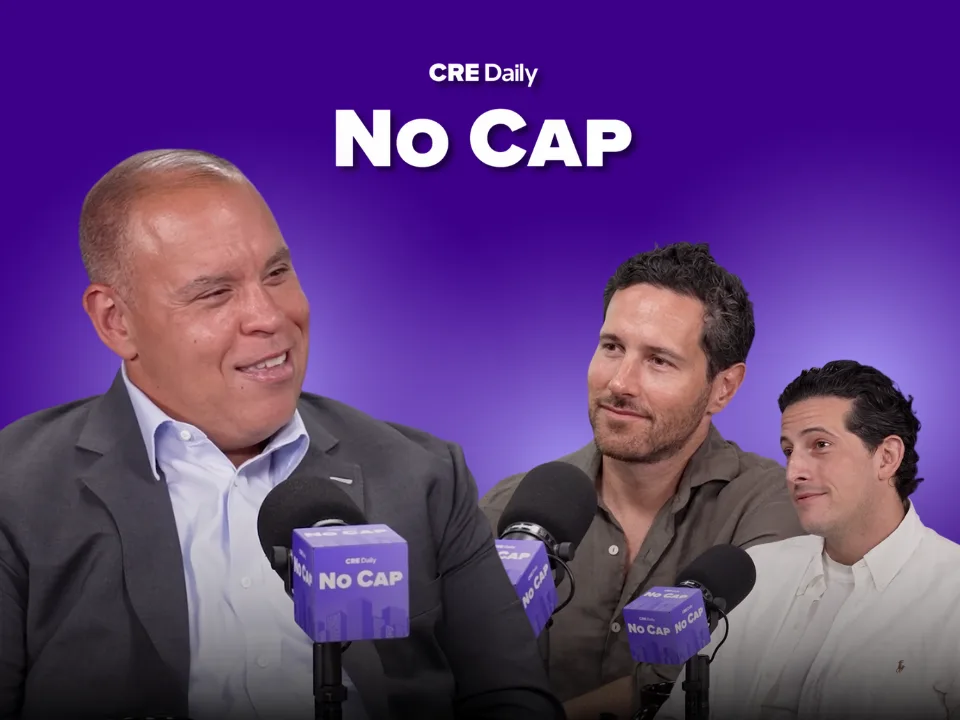
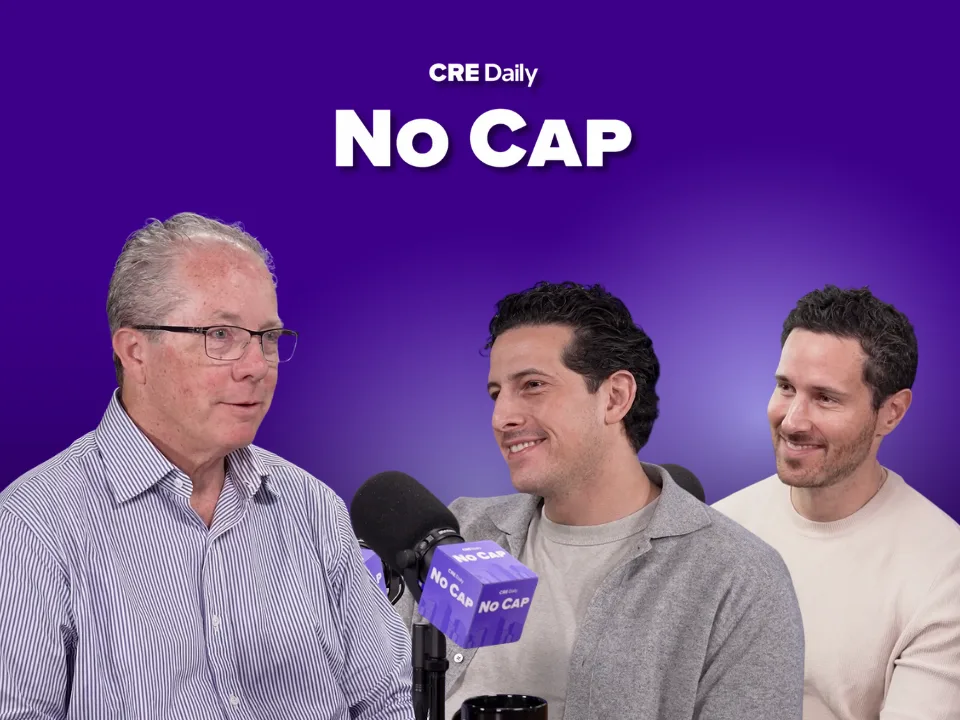
Guest: Bart Mitchell, President & CEO, The Community Builders (TCB)
Bart Mitchell is President and CEO of The Community Builders (TCB), one of the largest and most influential nonprofit affordable-housing developers in the United States. He has spent more than three decades developing, financing, and preserving housing across the country, and has led TCB since becoming CEO in 2012 after previously serving as the organization’s COO, founding Mitchell Properties, and holding senior leadership roles in both the public and private sectors.
On this episode of No Cap, Mitchell walks through how a once-obscure 1986 tax credit became the primary way the federal government funds affordable housing, why he thinks zoning, not capital, is the real constraint on closing the country’s roughly 10-million-home shortage, and what it actually costs an organization like TCB to carry a project through years of city and state approvals. He also details a Boston zoning fight that nearly sank housing for the formerly homeless over a parking dispute, and makes the case that most Americans have already lived next to affordable housing without knowing it.
Key Takeaways
TCB carries roughly $70 million in pre-construction risk at any given time, real capital that can vanish if a project gets rejected after reaching full design.
“We organizationally have at any one time about $70 million out on pre-construction costs.”
Bart Mitchell, [30:57]
Mitchell’s shorthand for what makes a market work is blunt: it isn’t creativity or product, it’s zoning.
“The biggest ingredients are zoning, money, speed.”
Bart Mitchell, [31:39]
A Boston project for formerly homeless residents had unanimous community and zoning-board approval, and still got tied up for over a year by a parking-ratio lawsuit.
“We’re housing homeless people. Parking ratio is the least of our worries.”
Bart Mitchell, [48:27]
Despite TCB’s nonprofit profile, most of the country’s affordable housing is actually built by for-profit developers.
“78% of the affordable housing that gets built in the US is by for-profits. It’s not a nonprofit-dominated activity.”
Bart Mitchell, [38:49]