



- West Class C rents fell 2.4% in the year ending Q2 2026. Class A rents grew 2.5%, according to RealPage.
- Regional inventory grew 1.4% as nearly 80,000 units delivered, down from a 2.5% peak in early 2025.
- San Francisco led the nation with nearly 11% rent growth, while Los Angeles rents fell 1% year over year.
The Western apartment market is widening into a split between high-performing coastal metros and supply-heavy laggards. RealPage says the region now shows unusually large differences across apartment classes and cities. San Francisco is the standout. Southern California and parts of the Inner West remain under pressure.
Get Smarter about what matters in CRE
Stay ahead of trends in commercial real estate with CRE Daily – the free newsletter delivering everything you need to start your day in just 5-minutes
Western Apartment Market Splits by Class
RealPage reported that West Class C rents fell 2.4% in the year ending Q2 2026. Class A rents moved the other direction, growing 2.5%. That creates a 460-basis-point spread between the two segments. Regional job growth was only 0.4% over the same period. RealPage said improving labor-market direction may be supporting a demand rebound.
Supply Moderates Regionwide
Inventory expanded 1.4% across the West in the year ending Q2 as nearly 80,000 units delivered. That is below the early-2025 peak, when inventory growth reached 2.5% and deliveries totaled about 134,000 units. The regional total masks major local differences. Denver, Phoenix, and Salt Lake City have absorbed some of the most aggressive inventory growth of the cycle.
Bay Area Breaks Away
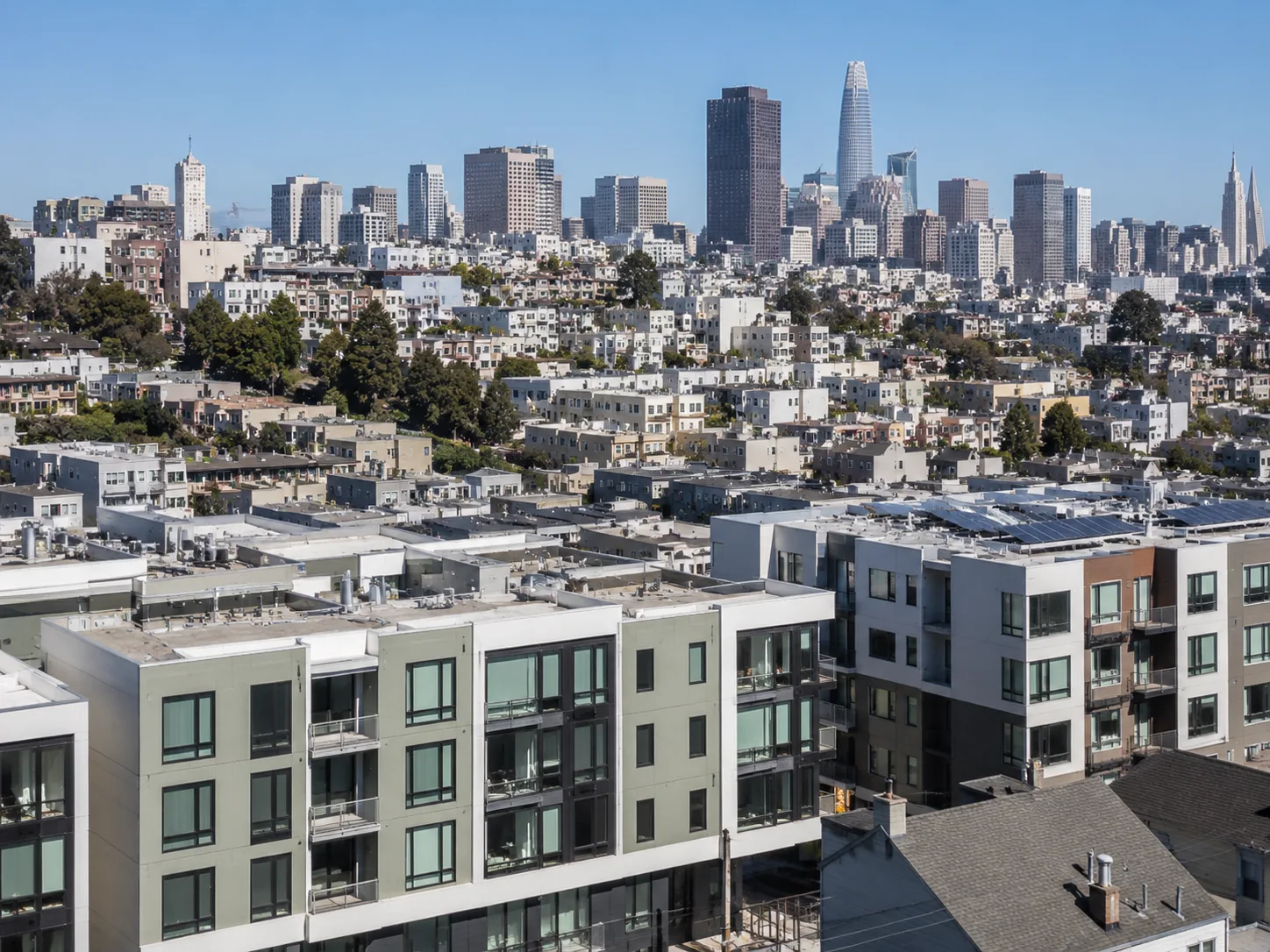
The Bay Area is the region’s strongest cluster. San Francisco posted rent growth near 11% in the year ending Q2 2026. It was the strongest national reading in RealPage’s analysis. San Jose and Oakland also ranked among leading metros. RealPage tied the performance to strong demand and essentially no new supply. Higher-rent Class A and some Class B units are leading growth near major employment hubs.
Southern California Stays Soft
Southern California remains weaker, with Orange County as a possible exception. RealPage cited both demand headwinds and a larger supply pipeline. Los Angeles rents fell 1% year over year, and new supply from the 2020s cycle has not yet peaked. San Diego is following a similar direction. Denver also faces supply overhang and demand challenges linked to negative net migration.
What’s Next
RealPage expects the San Francisco Bay Area to remain a national leader in 2027. It cited strong demand and extremely limited supply growth. The outlook is less certain in Denver and Seattle. Their performance depends on demand finding firmer footing through late 2026 and early 2027.