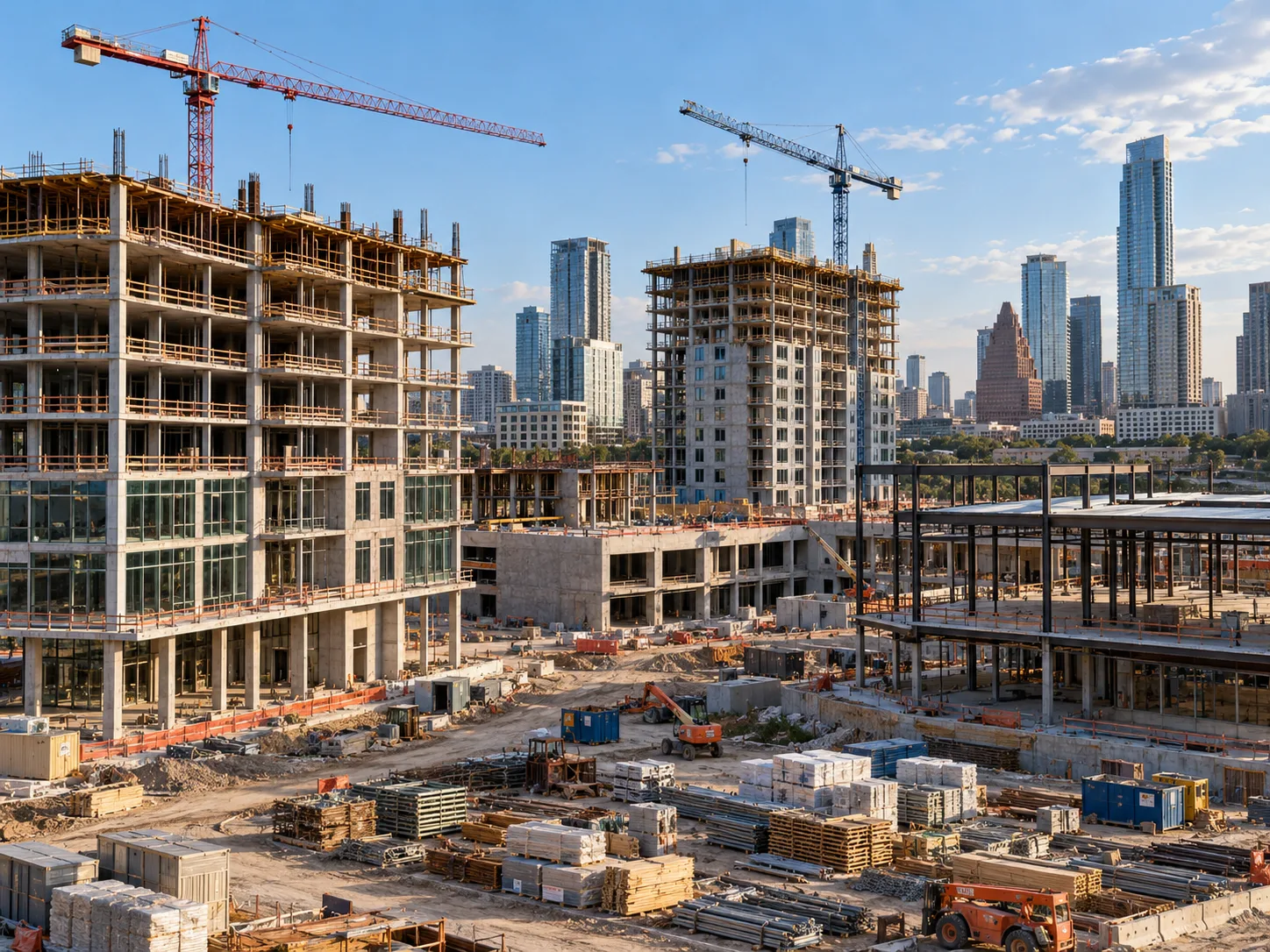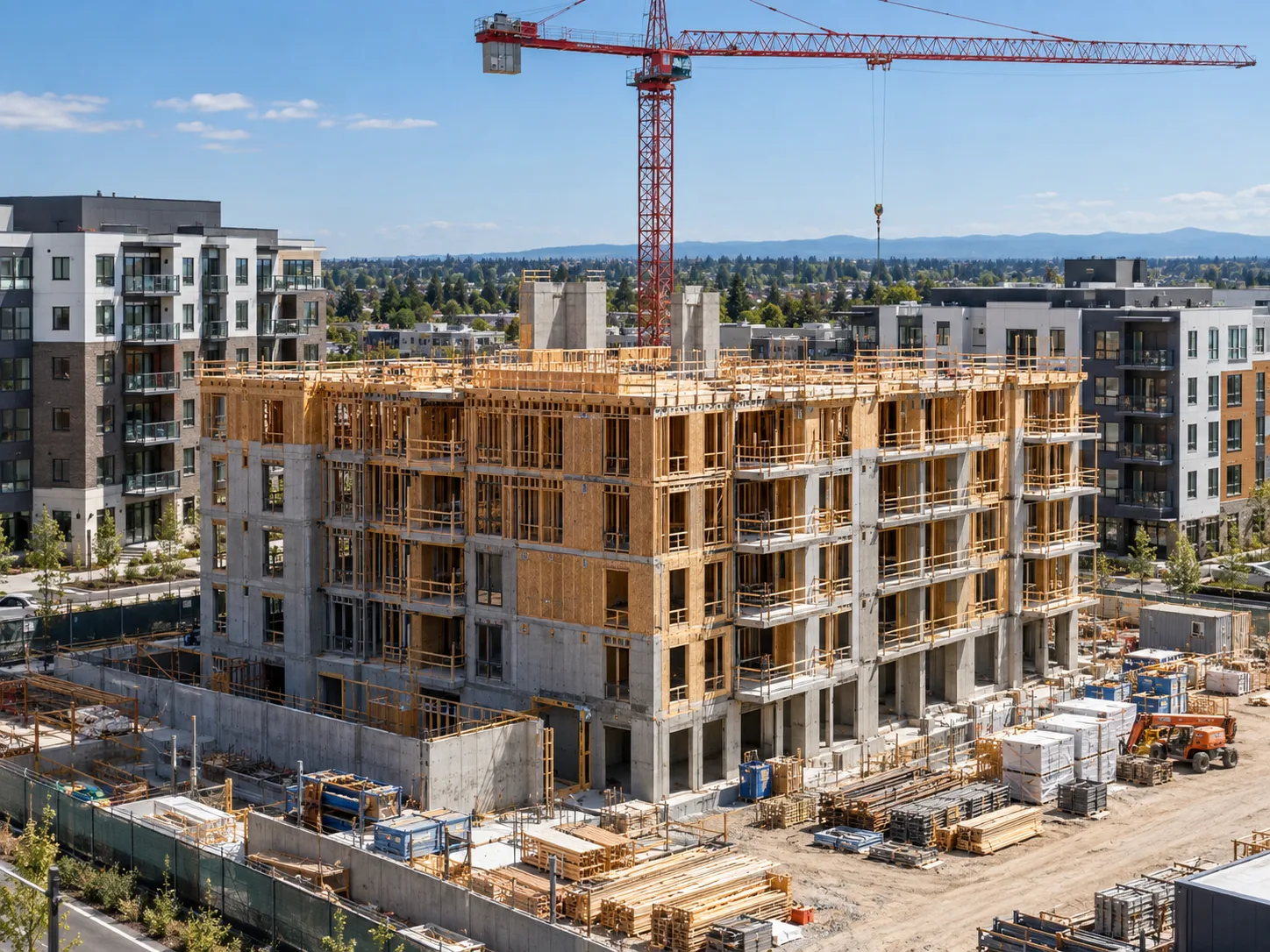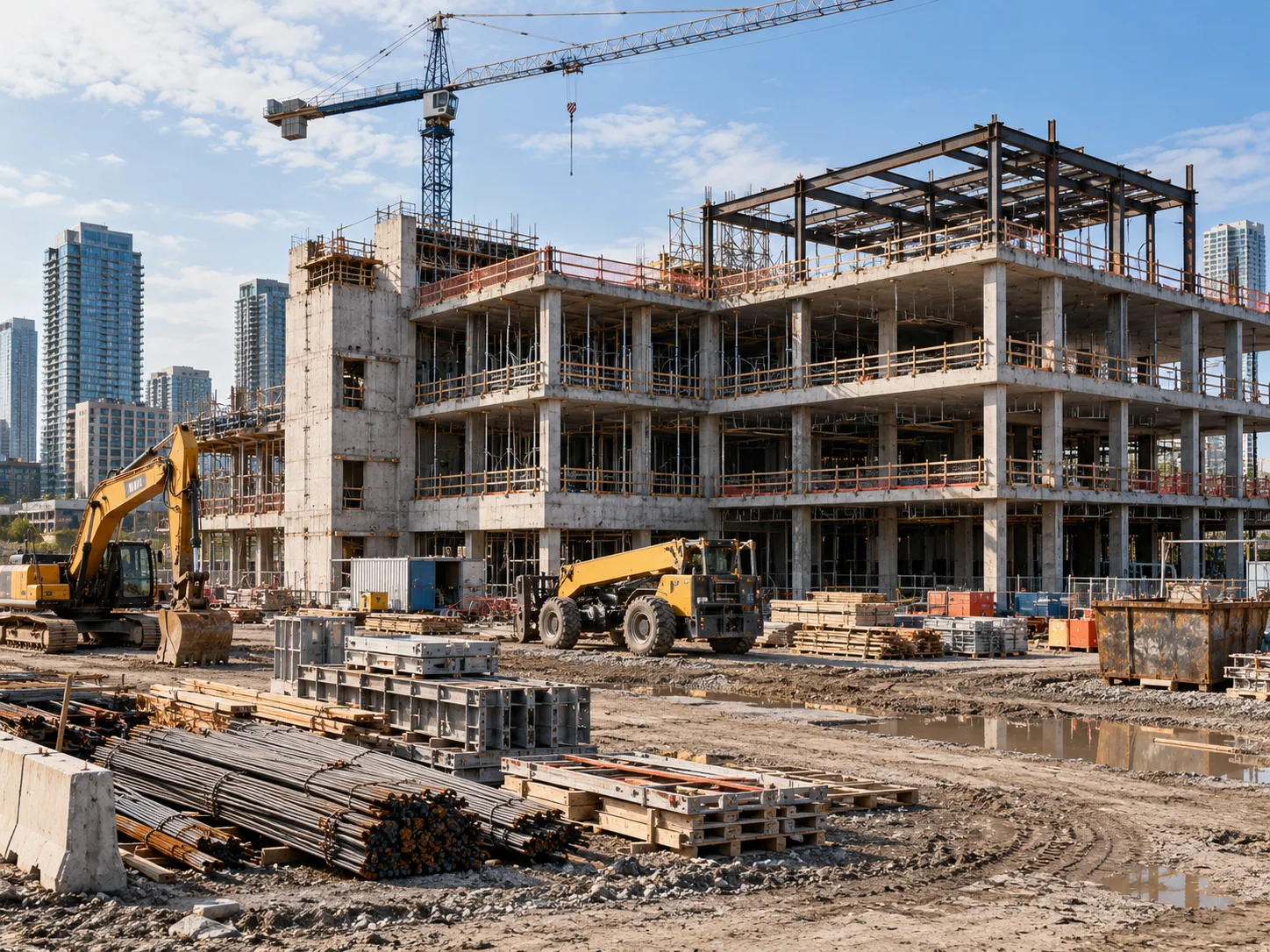





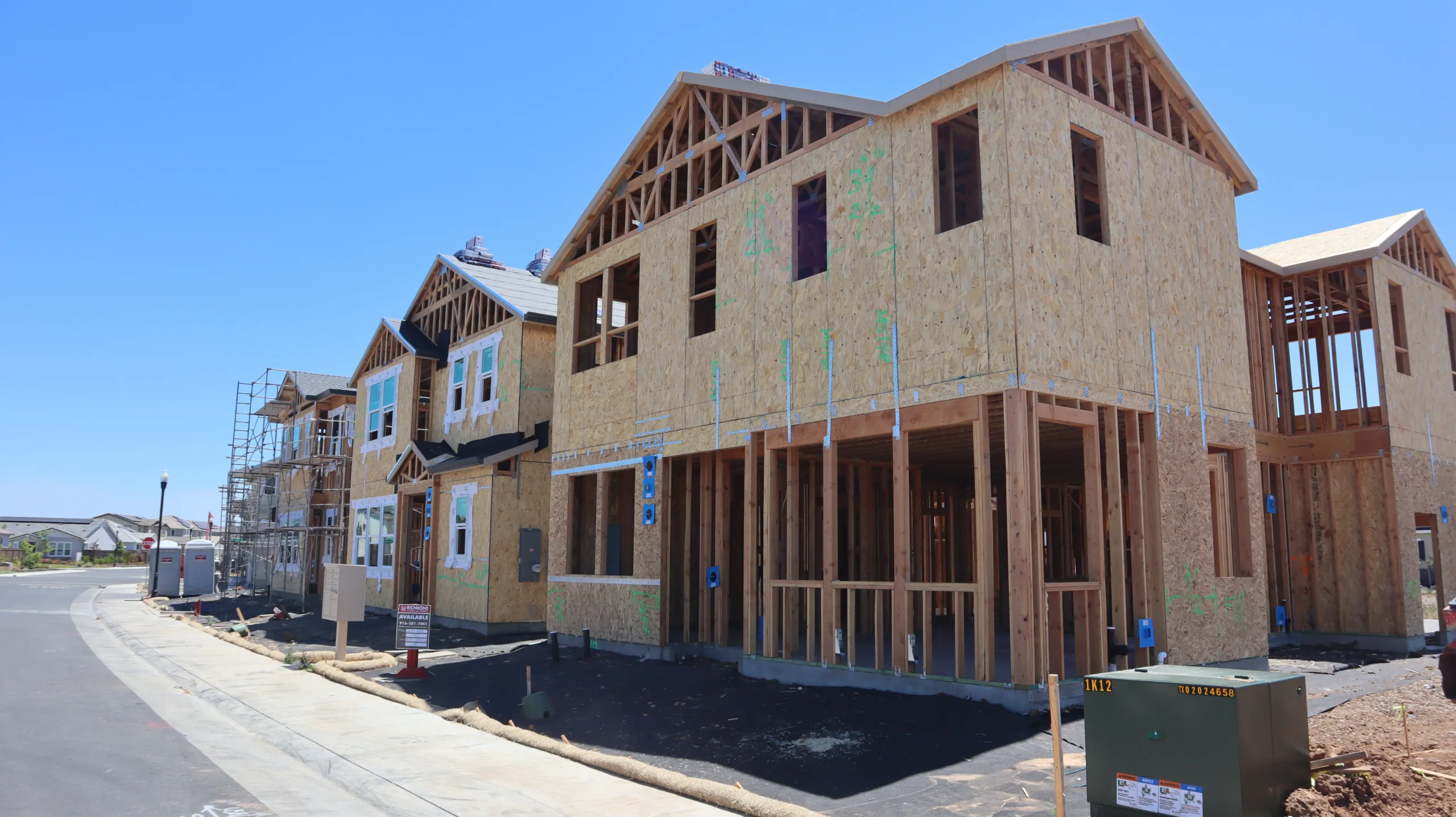



- US housing starts declined by 12.4% in July to 1.24M units, missing forecasts and revising prior months lower.
- Building permits rose 5% to 1.44M, indicating possible momentum despite high borrowing costs and elevated single-family inventory.
- Oxford Economics sees a stalled construction cycle into 2027, keeping the US housing shortage unresolved.
Single-Family Weakness Drives Housing Starts Drop
US residential construction slowed in July as housing starts fell 12.4% to a 1.24M annual pace, according to Globe St. The result missed Oxford Economics’ 1.33M forecast and market expectations.
Revisions lowered May and June starts, showing builders remain cautious. Single-family starts fell 9.9%, while multifamily starts dropped 16.8%. Single-family construction accounts for over two-thirds of starts and faces excess inventory and weak demand.
Developers also face high financing costs and remaining inventory pressures. These challenges suggest July’s decline could weigh on residential investment longer.
Get Smarter about what matters in CRE
Stay ahead of trends in commercial real estate with CRE Daily – the free newsletter delivering everything you need to start your day in just 5-minutes
The Details
July housing starts reached 1.24M on a seasonally adjusted basis. The figure missed Oxford Economics’ 1.33M forecast and the 1.345M consensus estimate.
Single-family starts fell nearly 10% from June levels. Multifamily starts also declined, but monthly swings make that segment harder to evaluate.
Meanwhile, July building permits rose 5% to a 1.44M annual pace. Single-family permits increased 2.5% and reached their highest level since March. Oxford Economics sees permits as a potential sign of near-term improvement.
Permits Offer Glimmer of Near-Term Hope
Permits provided some support despite the sharp decline in starts. Multifamily permits climbed, while single-family permits reached a four-month high.
Oxford Economics economist Nancy Vanden Houten said stronger permits could lift construction activity in August. However, builders still need to reduce unsold inventory before a stronger recovery begins.
Lower rates could improve buyer demand, but affordability challenges remain. High borrowing costs continue to limit a broader construction rebound.
Why It Matters
The gap between falling starts and rising permits shows a mixed housing market. Supply remains limited, but builders are not committing to major new construction.
Oxford Economics expects residential investment to fall at a 2% annual rate in Q3 2026. The firm previously expected a 0.1% increase.
For CRE investors, the environment creates challenges for build-to-rent growth. However, shifting economic conditions could create selective opportunities as investors evaluate assets with stronger fundamentals and long-term potential. Limited new supply may also increase affordability pressures for buyers.
Multifamily developers continue watching absorption trends. However, single-family weakness remains the larger drag on housing activity.
What’s Next
Oxford Economics expects housing starts to remain mostly flat until late 2027. Financing challenges and inventory pressures will continue limiting growth.
Lower long-term rates could provide some relief. However, they are unlikely to trigger a rapid construction recovery.
Permits may support modest activity gains later this summer. Still, builders must first clear excess inventory and wait for stronger demand.