



- Flex retail assets are seeing heightened leasing demand in Raleigh’s Triangle region, with single-story office conversions on the rise.
- Vacancy rates for retail spaces under 10K SF have dropped to 1.6% in Q2, per Colliers, outpacing larger format properties.
- The surge in flex retail points to shifting consumer preferences and a regional uptick in both retail development and investment.
From Stagnancy to Flex-Driven Growth
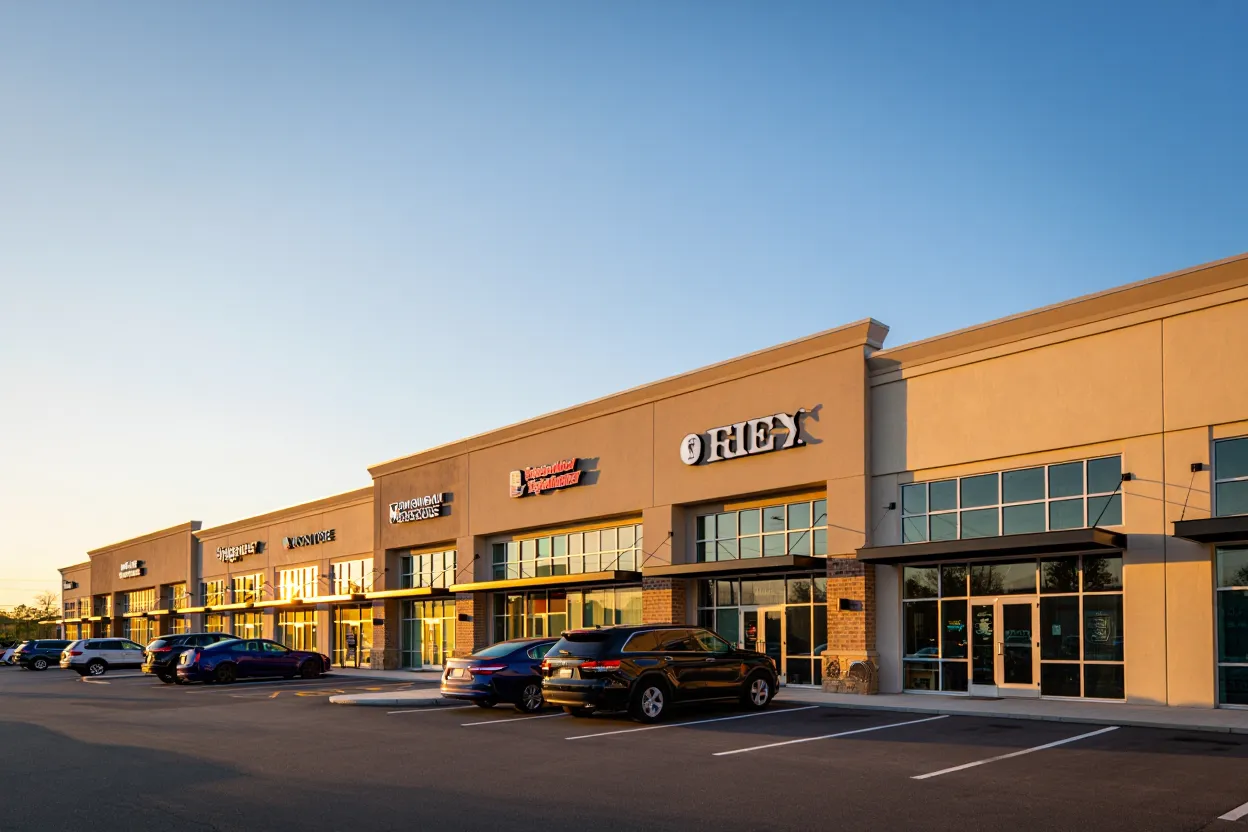
Flex retail is quickly reshaping the retail landscape across North Carolina’s Triangle region, according to Bisnow. After years of limited retail construction, developers are adapting existing properties and accelerating new projects. These mixed-use spaces combine traditional storefronts with industrial features, attracting retailers that need greater operational flexibility.
The hybrid model gives tenants retail visibility alongside practical back-of-house space. That combination is fueling activity across a market previously defined by slow inventory movement and underused offices. A recent Colliers report cited by Bisnow points to tight supply and sustained population growth. Both trends have increased demand for retail formats that move beyond conventional layouts.
Get Smarter about what matters in CRE
Stay ahead of trends in commercial real estate with CRE Daily – the free newsletter delivering everything you need to start your day in just 5-minutes
The Details
Triangle developers and investors are capitalizing on flex retail’s momentum. CityPlat principal Vincenzo Verdino told Bisnow that small-bay flex ranks among today’s hottest asset classes. Operators are converting outdated offices into storefronts and entertainment venues. Some projects combine industrial suppliers with indoor pickleball gyms or softball academies under one roof.
Colliers reports that retail buildings below 10K SF posted 1.6% vacancy in Q2 2026. Larger properties recorded 2.9% vacancy during the same period. This gap makes street-front, single-story properties especially attractive to neighborhood-focused service retailers. Meanwhile, CityPlat completed a $37M retail portfolio acquisition. Lock7’s 51K SF Harvest District in Fuquay Varina is also securing leases despite rising rents.
Small-Format Competition Intensifies
Competition remains strongest across the Triangle’s smaller retail properties. Colliers reports that properties below 10K SF now face historically low vacancy. Both local businesses and national brands increasingly seek smaller spaces that offer stronger neighborhood connections. Vacancy below 2% leaves few options and encourages more office conversions.
The shift also reflects broader office occupier demand for flexibility rather than traditional expansion. Apparel stores, fitness studios, banks, and dental clinics are increasingly occupying repositioned buildings. These tenants often replace traditional mall locations or underperforming offices. Larger projects are also capturing demand. Lock7’s Harvest District continues signing tenants despite rents exceeding initial projections. The activity reflects broader demographic shifts across the region.
Why It Matters
CRE investors and operators are watching the Triangle closely as flex retail gains momentum across Sun Belt markets. Marcus & Millichap ranks Raleigh among the country’s strongest retail markets for 2026. Overall vacancy remains at 2.59%, despite strong population growth and limited completions. Low vacancy, rising rents, and adaptive reuse opportunities are driving new repositioning strategies.
For institutional investors and local developers, these trends create near-term rent growth and longer-term portfolio opportunities. CityPlat’s recent $37M acquisition shows that well-leased neighborhood retail continues attracting opportunistic capital. However, higher interest rates still constrain some transactions. Meanwhile, mini-golf venues and Crunch Fitness expansions reflect growing demand for convenient, community-focused experiences.
Residential growth continues supporting this local retail expansion. Developers increasingly pair housing with high-utility retail and mixed-use entertainment districts. Raleigh’s upcoming downtown convention center could strengthen this trend through greater density and diversified uses. Together, these projects could position the Triangle as a breakout retail market this decade.
What’s Next
Tightening retail supply could drive more office conversions as local and experiential operators search for suitable locations. Developers may also accelerate mixed-use and entertainment projects around Raleigh’s convention center and planned entertainment district. Vacancy, rent growth, and anchor leasing will provide clearer signals about the market’s remaining growth potential.
Long-term growth will depend on coordination between public agencies and private developers. Zoning and entitlement policies must support denser, walkable districts as the population expands. Successful development must also preserve the neighborhood focus driving demand across the flex retail segment.