




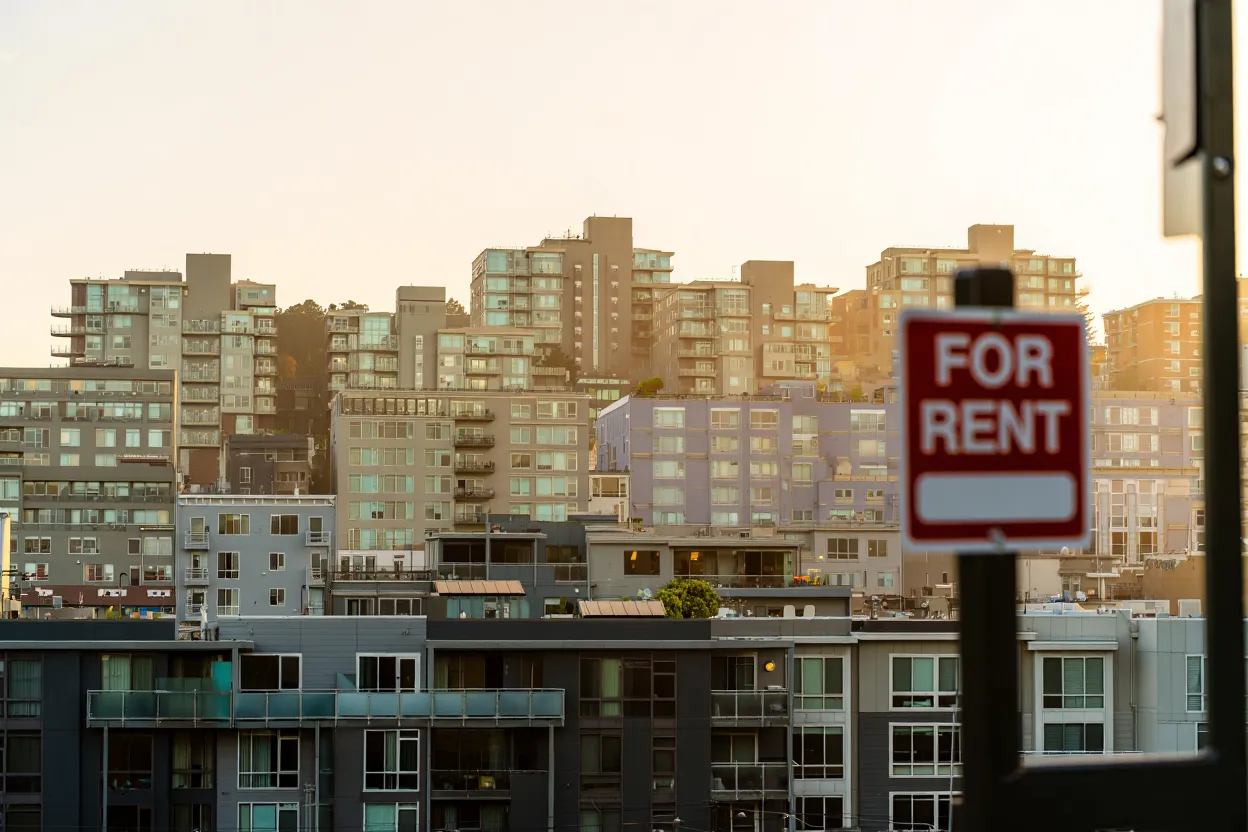
- Average asking rent in San Francisco has jumped 18% in under two years, reaching $3,728 monthly, according to CoStar.
- The AI hiring boom, paired with limited new apartment supply, has triggered competitive bidding wars and rapid rent escalation.
- With vacancy at 3.7%, the lowest since 2019, spillover effects are lifting rents in surrounding metros as well.
AI Boom Collides with Supply Shortfall
San Francisco’s rental market, already competitive, has entered an intense new phase as the city’s artificial intelligence sector brings an influx of high-salaried tenants. According to The Wall Street Journal, rent growth is now outpacing other major US markets. Bay Area tech salaries are colliding with anemic new multifamily construction, compounding the shortage of available homes.
As a result, renters are finding themselves in aggressive bidding wars, often resorting to paying well above asking price to secure apartments, especially in desirable neighborhoods adjacent to tech offices. The story is fueled by the same forces reshaping New York’s post-pandemic apartment market: rebounding urban migration and constrained supply.
Get Smarter about what matters in CRE
Stay ahead of trends in commercial real estate with CRE Daily – the free newsletter delivering everything you need to start your day in just 5-minutes
The Details
Rents in San Francisco have surged 18% in less than two years, reports CoStar, with the metro’s average monthly asking rent now at $3,728—returning to the top rent spot nationally. In some neighborhoods, units are transacting for double that figure due to bidding wars. The vacancy rate has fallen to 3.7% per CoStar’s Q2 data, down from 4.9% the previous year, marking one of the lowest in the US outside New York and San Jose.
Landlords are frequently fielding offers well above asking price; some renters are offering a full year of rent upfront or paying $1,500+ over list. The AI-driven demand surge is acute around Mission Bay and SoMa, where OpenAI and Anthropic offices are clustered. Limited construction means competition for the scant available stock is only intensifying.
Renters Outbid and Outmaneuvered
The return-to-city phenomenon has accelerated in San Francisco, with an extreme tilt from the AI sector’s growth. That pressure reflects broader apartment demand gains across major US markets, where tight availability continues supporting rental competition. Reports highlight renters offering $10,000 monthly for basic four-bedroom units and paying huge premiums for small bedrooms.
In parallel, landlords in rent-controlled properties are accelerating buyouts to unlock market-rate turnover. As tight conditions persist, rent hikes are spilling into neighboring Oakland and San Jose, further squeezing affordability for local professionals. The scene recalls prior tech booms, but the stakes—fueled by cash-rich AI startups—are even higher this cycle.
Why It Matters
San Francisco’s rapid return to the top of the national rent leaderboard signals deeper market pressures that go beyond cyclical recovery. CoStar’s data reveals that rents not only rebounded from 2020’s pandemic dip (down 7% at the time), but have now eclipsed previous highs. The confluence of surging AI-sector hiring, limited housing starts, and loss of earlier remote-work-driven softness has produced a tight market with little short-term solution.
According to Green Street, San Francisco has posted the highest growth in job postings among major US metros so far in 2026, confirming robust demand for urban housing. Yet, new construction continues to lag behind coastal peers—debates over major projects like the proposed 800-unit Marina District tower illustrate persistent NIMBYism and regulatory headwinds that keep shovels out of the ground. For CRE investors, the bull case for multifamily remains—provided they can navigate the city’s difficult entitlement and approvals process.
Meanwhile, for renters, supply-demand imbalance is forcing creative (and sometimes desperate) tactics—splitting up roommate groups to improve odds, moving into sublets with strangers, and making all-cash offers just to secure a lease. The combination of low vacancy and sustained job growth points to continued upward pressure on rents, with spillover impacts for affordability as employers and prospective residents alike weigh whether San Francisco’s upside offsets soaring costs.
What’s Next
Apartments in the city are vanishing from the market within hours of hitting listings, and no relief is in sight as AI-driven job creation continues. With the Q2 2026 vacancy rate at its lowest since before the pandemic, and new construction lagging, San Francisco faces a prolonged period of elevated rents and tight competition. The pressure on neighboring cities such as Oakland and San Jose is likely to intensify as demand overflows. Unless municipal leaders fast-track major new housing initiatives, the cycles of extreme bidding and supply headaches may become the new normal for both renters and CRE investors in the Bay Area.