





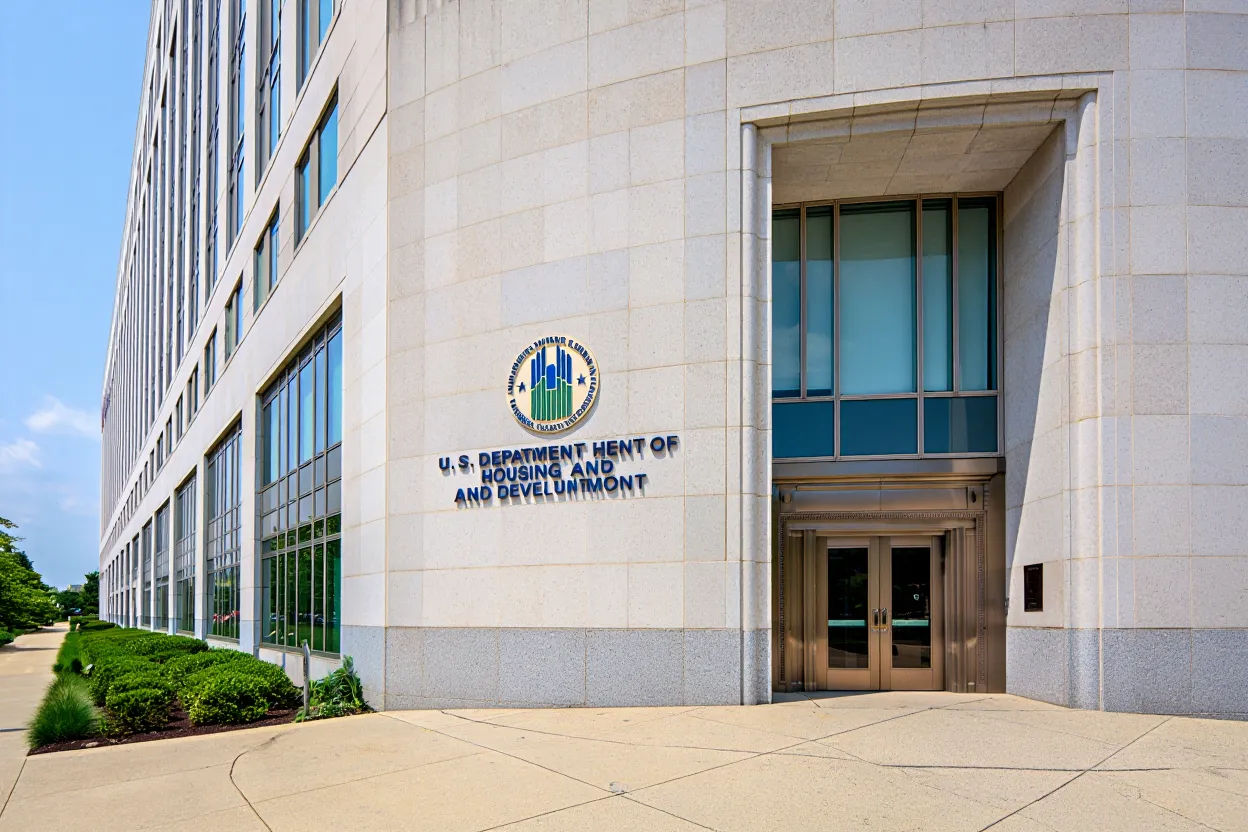
- HUD faces a federal lawsuit over proposed shakeups to its Fair Housing Initiatives Program grants for 2025.
- Plaintiffs argue that eliminating funding for core enforcement and outreach would centralize fair housing oversight and sideline local nonprofits.
- CRE investors could see enforcement risk and oversight vary by market as resources and authority shift under HUD’s new approach.
Nonprofit Enforcement Role Challenged
Fair housing groups are suing the US Department of Housing and Urban Development over new funding criteria for discrimination enforcement. According to Globe St, the Massachusetts Fair Housing Center and National Fair Housing Alliance filed the suit.
They argue the changes could weaken federal protections by redirecting resources from private local groups. These nonprofits typically conduct investigations, educate communities, and support federal fair housing enforcement.
For decades, local organizations have played a central role in fair housing enforcement. The plaintiffs say the funding shift could limit their ability to continue that work. Many operate in communities with significant commercial real estate activity.
Get Smarter about what matters in CRE
Stay ahead of trends in commercial real estate with CRE Daily – the free newsletter delivering everything you need to start your day in just 5-minutes
The Details
The plaintiffs challenge HUD’s July 2, 2026 funding notice for fiscal 2025. They say it eliminates two FHIP categories essential to daily enforcement.
Those categories include Private Enforcement Initiative grants and Education and Outreach Initiative grants. Historically, enforcement grants received about two-thirds of FHIP’s annual appropriations. Education programs received roughly one-quarter.
Instead, HUD would allocate $46M of the program’s $56M total to five Fair Housing Organization Initiative awards. The structure includes a $25M award for one law school. Another $10M would go to a state or local agency.
The model also introduces new eligibility restrictions. For example, applicants would need a minimum $5M operating budget. Plaintiffs argue this threshold would exclude most existing fair housing nonprofits.
Centralization Threatens Local Watchdogs
The overhaul represents a major departure from FHIP’s previous structure. That system distributed resources among smaller local organizations conducting compliance testing and public education.
Advocacy groups cite congressional language from 2001 emphasizing the “proven efficacy” of community-based enforcement. They argue HUD’s model would concentrate oversight among a small number of institutions.
Those institutions could include law schools and large government agencies. Meanwhile, long-standing grassroots organizations could lose access to critical federal funding.
HUD says the changes support more efficient “stewardship” of taxpayer funds. However, local groups argue centralization could reduce direct oversight across many markets.
Markets with significant multifamily and rental investment could face particularly noticeable changes. Fewer local organizations could mean less testing, education, and enforcement activity.
Why It Matters
For CRE investors, the dispute extends beyond federal grant allocations. It could change how owners and operators assess compliance risks across different markets.
Historically, local fair housing nonprofits have played an important enforcement role. Using FHIP funding, they conduct testing, file complaints, and educate tenants and landlords.
The dispute follows broader federal changes that have already reduced certain fair housing requirements across the housing finance system. Together, these shifts could alter how housing discrimination rules are enforced and monitored.
Plaintiff Vineeth Hemavathi highlighted that enforcement role in comments reported by The New York Times. He said laws have little effect when nobody can enforce them.
If HUD implements the changes, a few larger institutions could handle more enforcement responsibilities. Some markets could then experience thinner coverage and slower interventions.
That shift could create uneven compliance exposure across real estate portfolios. Multifamily and affordable housing owners could see different investigation patterns depending on local resources.
Retail owners could also encounter changing compliance dynamics in certain situations. Operators may need to reassess how local enforcement capacity affects their existing compliance procedures.
The lawsuit also shows how quickly federal administrative decisions can reshape real estate’s regulatory environment. CRE executives should closely follow the case and its operational consequences.
Regions that depend heavily on nonprofit fair housing organizations could experience the greatest disruption. Congress and other stakeholders have historically supported strong local enforcement.
The complaint also points to congressional commentary from 2001 supporting community-based enforcement. Plaintiffs argue these organizations remain important safeguards against housing discrimination.
What’s Next
The lawsuit remains pending in the District of Massachusetts. Plaintiffs seek injunctions restoring traditional FHIP allocations and blocking the new eligibility threshold.
HUD has indicated it will defend the revised funding structure. The agency has characterized the opposition as “activist” while maintaining its approach follows legal requirements.
If the changes survive, CRE participants could face shifts in discrimination claims and enforcement activity. Compliance protocols and legal exposure could also vary more between markets.
Local stakeholder relationships may become increasingly important as enforcement resources change. Owners and operators should watch how funding moves between local and centralized institutions.
The coming months could provide greater clarity as courts review HUD’s authority. Industry groups may also seek influence over any final funding structure.