




If being an overnight success takes about 10 years as Jeff Bezos said it did, then the C-PACE industry is right on track.
What was once pigeonholed as a niche financing tool for ESG improvements has grown into a multibillion-dollar financing tool that’s showing up in unexpected places, like multifamily recapitalizations post-occupancy, office-to-apartment conversions, and up-market hospitality repositionings.
While it’s true that C-PACE (Commercial Property Assessed Clean Energy) is a program to help property owners finance improvements and new construction with an eye toward energy savings and resiliency, that definition has expanded substantially, paving the way for C-PACE to expand as well
PACE Loan Group (PLG) was founded in 2017 and is one of the original direct C-PACE lenders. “As one of the top program lenders in the country, we have seen C-PACE grow from a niche product to wide-scale acceptance, particularly over the past two years. From small firms to large institutional players, C-PACE has proven to be a valuable tool for numerous needs throughout the real estate cycle,” said Rafi Golberstein, CEO and founder, PACE Loan Group.
Golberstein highlighted four points in the cycle where commercial property owners are using C-PACE financing in conjunction with other lenders, like banks or debt funds.
New Construction
For new construction projects, C-PACE can replace expensive mortgage debt, help projects “pencil out,” or pair with participating financing like EB-5/USDA, local or regional banks, or debt funds. Spreads have tightened, eligibility criteria have expanded, and C-PACE is increasingly entering the financing discussion much earlier than it used to.
“There’s been a tremendous shift over the last decade in how C-PACE is seen,” Golberstein said. “Early on, potential clients often thought C-PACE was just for solar panels, but thankfully that’s no longer the case. C-PACE is now a mainstream financing tool, in large part because of the work we’ve done to educate the market and advocate for program expansion nationwide.”
Mid-Construction
C-PACE loans benefit projects that are mid-construction by offering “rescue capital” for stalled or delayed projects. This can be a particularly good option to fill gaps when mortgage lenders are tapped out, to recapitalize the capstack, or to pay off mezzanine or preferred equity. This scenario often happens when construction costs rise considerably or the sponsorship changes; C-PACE is the way to get these projects back on track.
When a company seeking financing to complete a ground-up, 114-unit multifamily property in Philadelphia’s trendy Fishtown neighborhood had a local bank back out at the closing table, C-PACE kept the project alive. PLG partnered with a debt fund to close a $10.6 million C-PACE loan at the 80 percent LTC that the sponsor desired. The loan was used for the building envelope, ENERGY STAR windows, HVAC, lighting systems, and mechanical systems, allowing the building to open on time earlier this year.
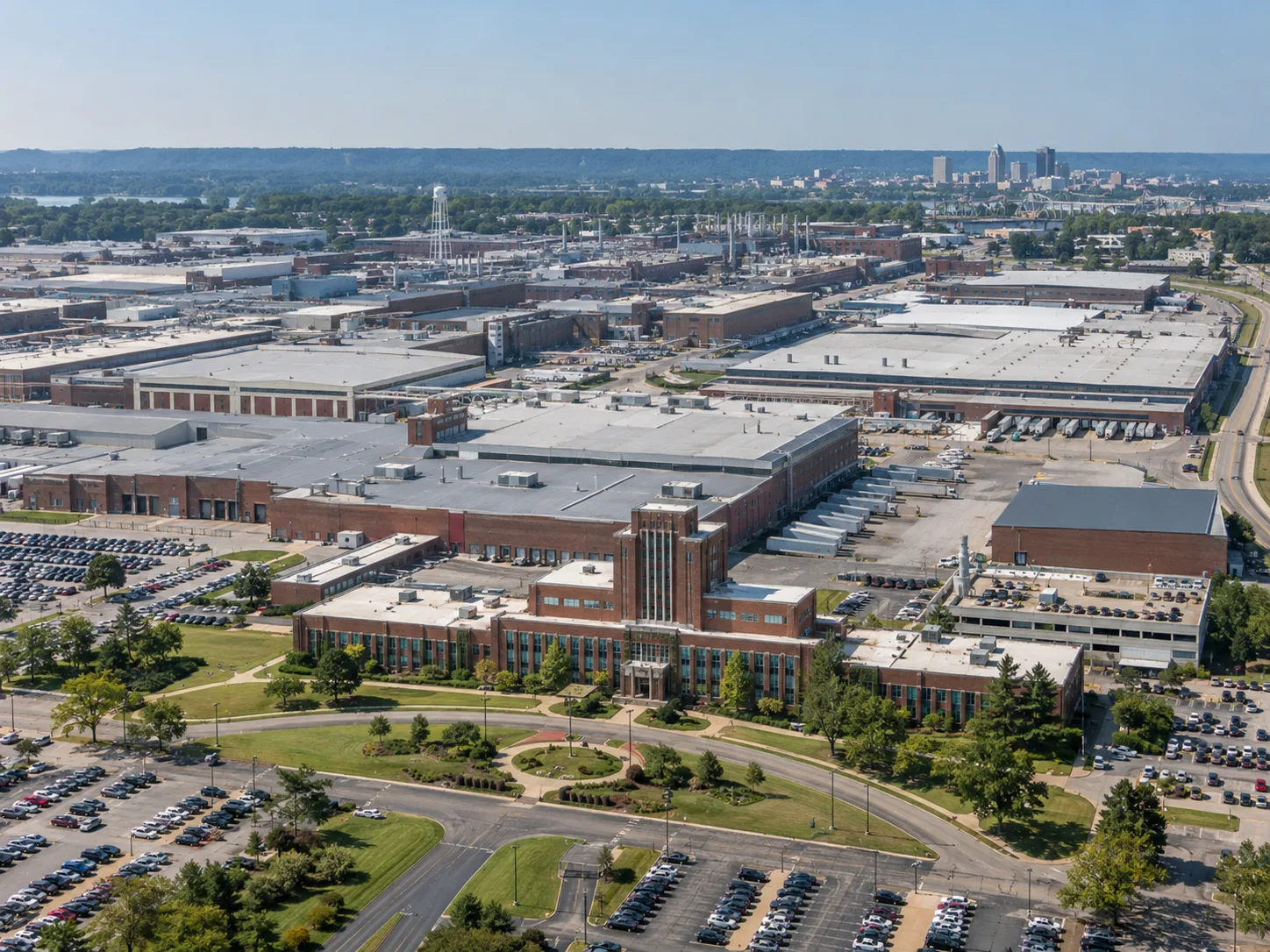
Even when a rescue isn’t necessary, C-PACE can help keep projects running smoothly. In late 2024, PLG closed a $35 million C-PACE loan for Gateway Studios & Production Services, a 300,000-square-foot studio complex in St. Louis, Missouri. The facility has five sound stages and is unique in its use as a rehearsal space for stadium and arena tours. Construction began in 2022 and is being completed in phases.
The atypical nature of the asset meant traditional construction financing was expensive, but the sponsor was able to obtain a non-recourse, long-term, and self-amortizing loan through PLG. According to Golberstein, C-PACE can also serve as a primary source of financing for esoteric assets.
Ramp-Up/Bridge
For projects in the ramp-up or bridge phase of the cycle, C-PACE loans can provide bridge financing for non-stabilized assets with looming maturities, pay off maturing debt and lower the cost of recap funds, and inject liquidity for mortgage paydown and amend or extend.
This was the case at a newly constructed office building in the West Adams neighborhood of Los Angeles. Investors closed a $22.4 million C-PACE loan to refinance efficiency and resiliency components included in the construction of a 72,000-square-foot Class A creative office property. The 30-year amortization period of the loan allowed repayment of the owner’s original investments made during construction and the reinvestment of those funds.
Stabilized
An often overlooked place for C-PACE is when construction is complete and lease up or occupancy is underway. “This scenario offers a way for the sponsor to cash out of the deal, allowing them to leverage their cash into the next project,” said Golberstein. C-PACE loans benefit stabilized assets by providing long-term, fixed-rate takeout financing, offering retroactive C-PACE for acquisition capstack, and returning equity to the sponsor.
The Hotel Blossom is a 267-key luxury hotel near Houston’s medical center complex; its owner closed a $22.5 million C-PACE loan from PLG to retroactively cover completed improvements to the property’s building envelope, HVAC systems, high-efficiency plumbing, and low-energy lighting. The loan was used to refinance out maturing construction debt for the property; precise details vary by state, but in most places C-PACE can finance up to 35 percent LTV, which can help rebalance the capital stack post-construction.
Continued growth in the market
As C-PACE has expanded geographically, so have deal sizes. “In our first year as a C-PACE lender, PLG’s average deal size was around $2 million. In 2025, it was $17 million, and that continues to grow,” Golberstein said. Originally popular primarily with regional banks and developers, C-PACE is now widely utilized by national, institutional firms as well.
With nearly 90% of the U.S. population and 47 of the 50 largest metro areas already covered by C-PACE programs, the industry is no longer constrained by geographic challenges. With the financing program’s growth compounding year-over-year, PLG expects C-PACE to continue to find acceptance as a mainstream form of financing and for growth to continue, if not outpace, the current rate of growth.