





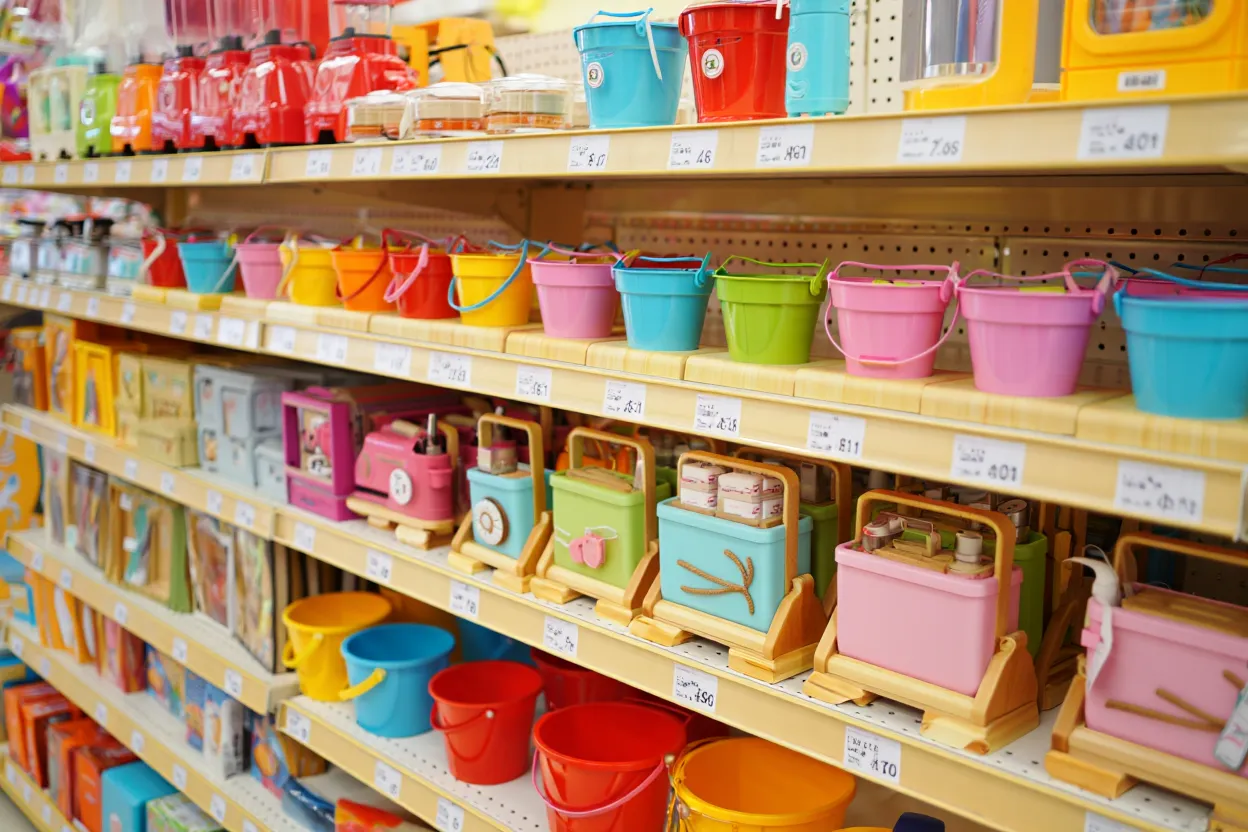



- Retailers are ramping up ‘mini’ product offerings to capture cautious US shoppers seeking small affordable treats.
- Brands from Trader Joe’s to Lowe’s report strong demand for mini goods, driven by inflation and weak wage growth.
- Ongoing macro pressures are expected to keep consumers focused on lower-commitment purchases and smaller-scale retail buys.
Budget Pressures Spur the Mini Effect
US consumers, pinched by persistent inflation and sluggish wage growth, are turning away from big-ticket purchases in favor of miniature versions of everyday goods. Bisnow reports that major retailers including Lowe’s, Home Depot, and Trader Joe’s are embracing the so-called ‘mini effect’—a response to economic conditions where shoppers opt for wallet-friendly, scaled-down products to satisfy their desire to buy while avoiding significant financial strain.
This phenomenon echoes the ‘lipstick effect’ of past downturns but takes shape in tangible miniaturized retail SKUs. The growth of these offerings—ranging from tiny totes and compact buckets to single-serve kitchen gadgets—has become an anchor strategy for brands attempting to keep foot traffic and conversion rates up in a tepid spending environment.
Get Smarter about what matters in CRE
Stay ahead of trends in commercial real estate with CRE Daily – the free newsletter delivering everything you need to start your day in just 5-minutes
Retailers Double Down on Small-Scale Products
Lowe’s coined the term “mini effect” internally in 2025. The trend has spread across multiple retail categories. Lowe’s says its 0.4-quart buckets regularly sell out at under $2. Trader Joe’s mini tote bags often disappear within minutes. Home Depot launched 2.5-quart storage bins in June at sub-$2 prices. Skrewball revived its 100-milliliter cans to capture value-conscious buyers. Smeg has introduced mini appliances for shoppers avoiding larger purchases.
Retailers are also using scarcity and limited editions to drive demand. Lowe’s and Ace Hardware say mini shoppers often buy additional products. That dynamic helps offset weaker home improvement spending. According to NABCA, mini liquor bottle sales rose 51% between 2020 and 2025. The data suggests demand for smaller formats remains strong.
Economic Factors Shift Shopping Habits
Price sensitivity is accelerating as wage growth lags behind rising costs, per the Federal Reserve Bank of New York’s June 2026 survey showing elevated short-term inflation expectations tied to medical, rent, and material prices. US homebuyer activity is flat, with buyers staying put, amplifying demand for small and accessible upgrades. Companies are candid about downsizing, distinguishing the mini movement from ‘shrinkflation,’ where quantity diminishes but prices stay the same.
“The consumer is being more cautious with long-term commitments,” notes Marshal Cohen, chief retail advisor at Circana. As a result, trial-size appliances and colorful novelty SKUs have stepped in as low-stakes buying options. Products like Bissell’s compact carpet cleaner and Dash’s 4-inch waffle maker dominate impulse purchases in categories where budgets are tight and space is at a premium for homeowners staying longer in smaller properties.
Why It Matters
The proliferation of mini products offers a window into the mindset of the US consumer under macroeconomic pressure. Retailers are meeting shoppers where they are, focusing on emotionally resonant, low-cost items with strong impulse appeal. According to Lowe’s Chief Marketing Officer Jen Wilson, scarcity and novelty are amplifying demand as limited runs feed urgency. Meanwhile, companies like Smeg acknowledge that buyers are less focused on the long term and more motivated by small-scale indulgence.
This trend holds significance for CRE and retail property stakeholders. Increased foot traffic generated by limited edition minis drives in-store conversion rates and augments lackluster sales of larger, inventory-heavy products. As economists like Michael Skordeles at Truist Advisory Services warn of price hikes on materials filtering through to consumer goods, retailers’ investment in mini formats hedges risk—allowing for sales resiliency when big-ticket categories go cold. For owners and investors, it signals the enduring value of adaptable retail footprints and mix-driven merchandising strategies that get more shoppers through the doors, even if their average ticket is lower.
What’s Next
With expected cost increases on staples like plastic and cotton looming, industry observers anticipate retailers will double down on the mini effect, innovating with color, function, and exclusivity to sustain interest. Brands are already planning further launches in kitchen gadgets and seasonal specials designed for the mini market. As long as inflation and uncertainty dampen appetite for major purchases, retailers tailoring their assortments for mini-minded consumers are positioned to capture incremental gains and maintain traffic—key advantages as the spending outlook remains cautious through 2026.