






- US foreclosure activity has steadily increased since 2024, rebuilding a pipeline of discounted housing assets, per ATTOM and Realtor.com data.
- REOs are selling at a median 27.2% discount to estimated value, and distress is concentrated in affordable and Sun Belt metros like Chicago, Houston, and Miami.
- Higher payment burdens on recent buyers are fueling distress, sustaining investor opportunities in a market with otherwise tight housing supply.
Distress Creates Entry Points For Value-Focused Capital
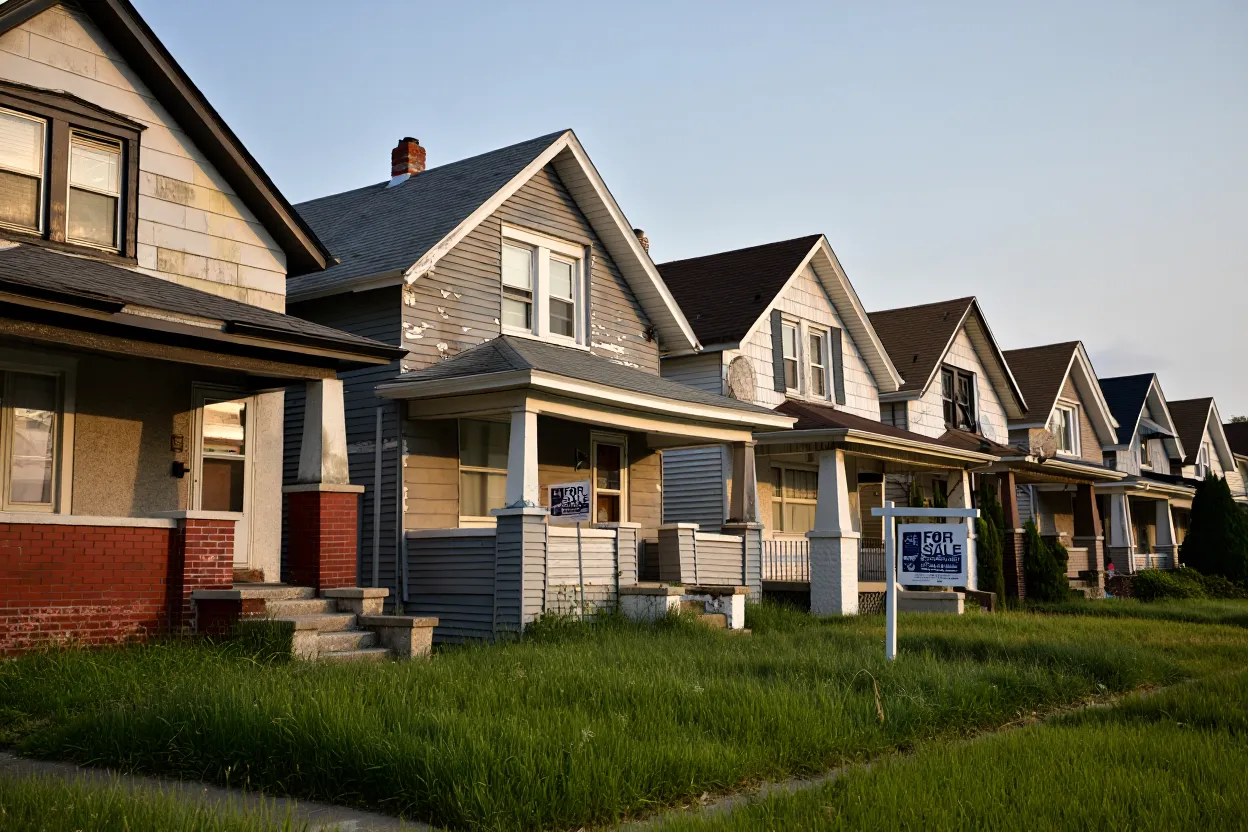
Foreclosure activity is rebuilding a pipeline of distressed housing inventory across the US. ATTOM reports one in every 1,211 homes entered foreclosure during Q1 2026. Realtor.com says the trend has persisted since pandemic-era protections expired. Elevated prices and limited inventory continue constraining traditional deal flow. That dynamic is creating opportunities for opportunistic investors. Single-family rentals, build-to-rent, and small multifamily strategies could benefit most.
This new distress cycle extends beyond isolated opportunities. High home prices and payment shocks are creating motivated sellers. Value-add investors may benefit as traditional buyers remain sidelined.
Get Smarter about what matters in CRE
Stay ahead of trends in commercial real estate with CRE Daily – the free newsletter delivering everything you need to start your day in just 5-minutes
The Details
Most foreclosure assets hit the market via local auctions, but those failing to meet minimums revert to Real Estate Owned (REO) status and list on the MLS. In April 2026, REOs represented 1.3% of active US listings. According to Realtor.com, median REO listings changed hands at a 27.2% discount to their estimated value. Across 2018–2026, monthly foreclosure discounts have ranged between 20% and 35%, pointing to a persistent, not episodic, pricing gap. REOs are often clustered in lower-cost metros and tend to linger 11 days longer on market than typical listings, giving institutional and private investors added negotiating power and time for due diligence. Lower acquisition costs can support a range of business plans, including assembling scattered-site SFR portfolios, recapitalizing distress-tied loans at a reduced basis, or acquiring urban infill parcels below replacement cost.
Distress Concentrates In Sun Belt And Secondary Markets
Foreclosure activity varies sharply by market and region. ATTOM and Realtor.com identified the highest foreclosure volumes in Chicago, Philadelphia, and Houston. Baltimore, Phoenix, and Miami also ranked among the most active markets. New York and Los Angeles did not make the top tier.
Some affordable markets face even higher distress levels. Foreclosures accounted for 10.2% of active listings in Lake Charles, Louisiana. Liberty County, Texas, recorded one foreclosure for every 55 homes. Baltimore City reported one foreclosure for every 294 homes. The uneven geography creates targeted opportunities for value-add investors.
Why It Matters
Foreclosures are becoming a meaningful source of housing inventory for CRE investors. ATTOM says distressed homes are selling at discounts of 20% to 35%. Houston, Phoenix, and Miami are among the most active foreclosure markets. Those listings are creating deal flow absent from traditional sales channels.
According to Realtor.com, distress is concentrated among recent homebuyers. Many purchased with limited equity and high monthly payments. Rising taxes, insurance costs, and rate resets are adding pressure. That is creating a growing pipeline of REO inventory.
Distress is also highly localized by market and property type. Investors can target single-family homes, multifamily assets, or failed subdivisions. The expanding pipeline could support opportunistic strategies through 2026 and beyond.
What’s Next
The data indicates foreclosure-driven discounts will likely persist throughout 2026, especially if mortgage rates remain elevated and household costs continue rising. ATTOM’s looming foreclosure pipeline suggests further expansion in distressed asset supply, particularly in Sun Belt and Midwest counties with elevated loan default rates. For CRE investors with dedicated acquisition teams or partnerships in target markets, localized knowledge will be critical to pricing risk and picking winners. With the traditional for-sale housing market constrained, expect opportunistic capital to play an outsized role in shaping the pricing and repositioning of distressed inventory over the near term.