





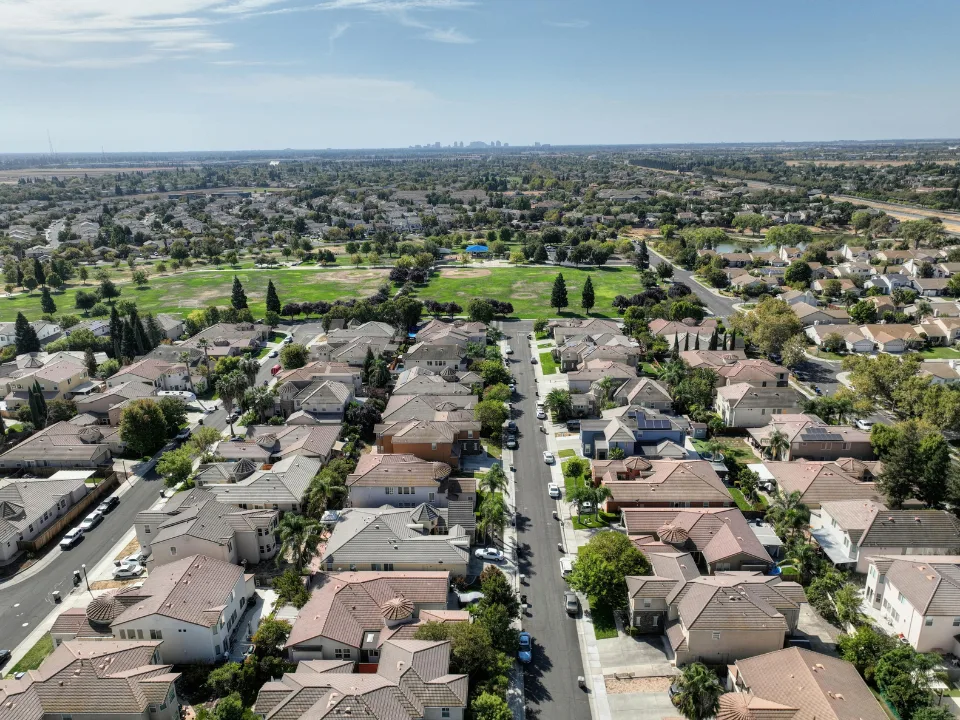
- California is using tax exemptions, state financing, and local incentives to preserve existing affordable housing as development constraints keep new supply under pressure.
- Owners of eligible properties can tap tools like the Welfare Tax Exemption and financing from the California Department of Housing and Community Development to extend affordability.
- The push underscores a broader CRE reality: preserving older affordable stock is becoming just as important as building new units in supply-constrained markets.
California is putting more weight behind affordable housing preservation as the state grapples with deep demand and limited new supply, per GlobeSt. With construction costs elevated, labor scarce, and entitlement hurdles still slowing projects, preserving existing affordable communities has become a core part of the housing strategy.
That shift is not unique to California. But in one of the country’s most expensive housing markets, it carries added urgency. Owners, investors, and public agencies increasingly see preservation as both a policy tool and a long-term investment strategy, especially for properties nearing the end of affordability restrictions.
Get Smarter about what matters in CRE
Stay ahead of trends in commercial real estate with CRE Daily – the free newsletter delivering everything you need to start your day in just 5-minutes
New Development Alone Won’t Close the Gap
The backdrop is a national housing shortage that continues to pressure affordability. California faces the same challenge, but with higher land, labor, and regulatory costs than many peer states. That has made it harder to rely on ground-up affordable development alone.
Russ Ginise, executive managing director and portfolio manager for affordable housing at LaSalle, told GlobeSt.com the state’s housing needs require an “all of the above” strategy. That means building more housing where possible, but also maintaining and refreshing the affordable inventory already in place.
That framing matters for CRE owners and capital providers. Preservation can be faster and less risky than new construction, especially when an existing asset already has affordability restrictions, operating history, and public-sector support.
The Details
California’s preservation toolkit includes tax relief, low-cost debt, and acquisition support for at-risk properties. One key lever is the state’s Welfare Tax Exemption, which can reduce the property tax burden for eligible affordable housing owners. Ginise said the exemption helps extend affordability beyond the initial tax credit compliance period by easing a major operating expense.
The California Department of Housing and Community Development, or HCD, also offers low-cost financing for preservation deals and property improvements. It also notifies qualified entities when affordable properties are at risk of losing affordability protections, giving preservation buyers an earlier chance to step in.
Local governments add another layer. Cities and counties can pair state programs with their own incentives or financing tools, giving owners more ways to recapitalize older affordable assets without converting them to market-rate housing.
California Gets More Strategic
Preservation is evolving from a policy goal into a more structured investment lane. Investors increasingly view aging affordable stock not just as a social need, but as an asset class with durable demand and multiple public support channels.
That matters in California, where many affordable properties are approaching key affordability deadlines. As those restrictions near expiration, owners face decisions about refinancing, selling, extending affordability, or repositioning assets. State and local preservation tools can shape that outcome.
Why It Matters
California’s approach reflects a broader shift in how housing shortages are being addressed. New supply still matters, but preservation is becoming a more immediate defense against unit loss.
That has implications across the sector. Owners of aging affordable properties may have stronger incentives to maintain affordability if tax relief and low-cost financing improve deal economics. Investors focused on long-duration income may find opportunity in recapitalizations tied to public programs.
What’s Next
The next question is whether California can scale these tools fast enough to keep more properties from aging out of affordability. That likely means pressure on HCD and local governments to expand financing capacity, streamline approvals, and keep tax incentives in place.
For market participants, the pipeline to watch is older affordable housing with expiring restrictions or deferred capital needs. In a market where new construction remains expensive and slow, preservation may be one of California’s most practical housing strategies.