



- A landlord raised the rent on Mayor Mamdani’s former Astoria apartment by over 30% after his move-out.
- The increase exploits a gap in New York City’s rent freeze, which only applies to renewals, not new leases.
- Rising legal rents on vacancy resets may undermine the impact of rent stabilization, especially as market rates surge.
Rent Freeze Leaves Openings for Landlords
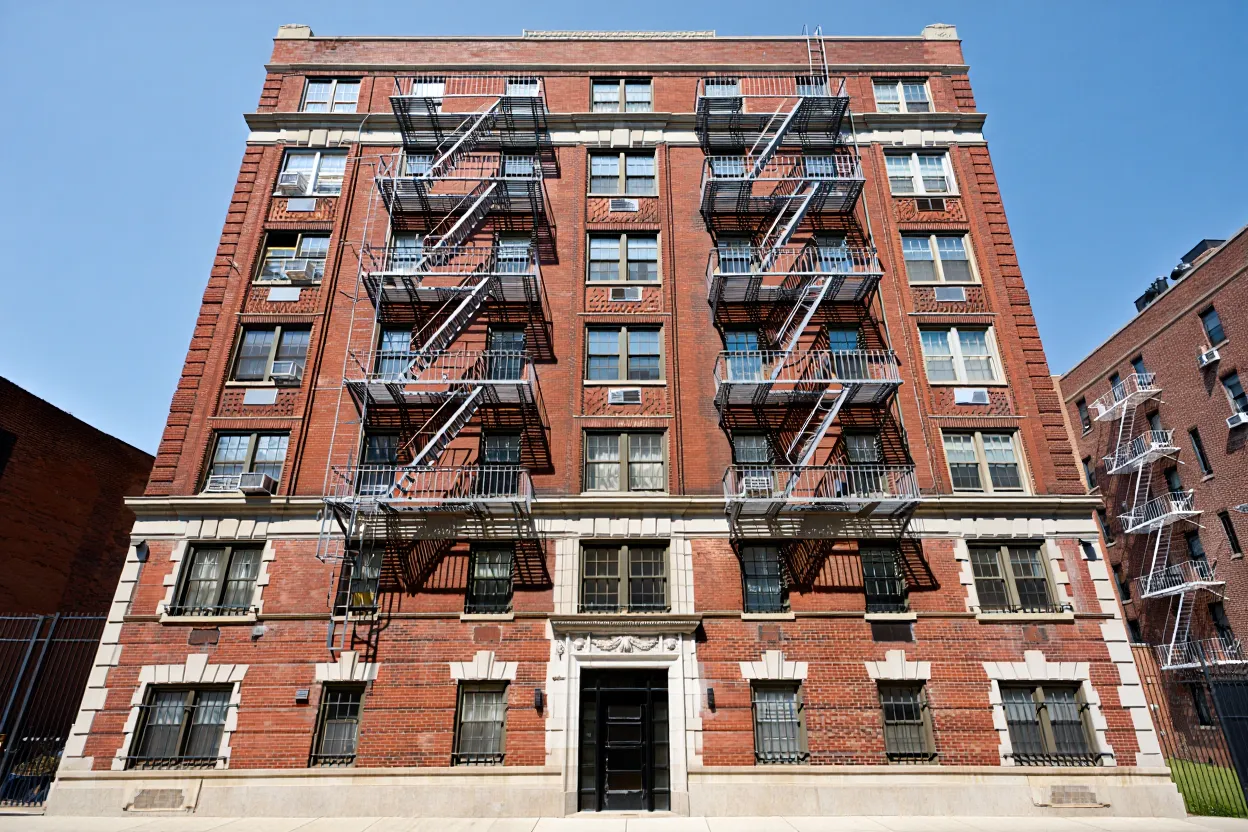
New York City’s push to keep rental housing affordable just collided with a market reality check in Astoria. According to The Wall Street Journal, the landlord of Mayor Zohran Mamdani’s old rent-stabilized one-bedroom hiked the rent for a new tenant by more than 30% after he left for Gracie Mansion. The jump outpaces both the city’s 2026 rent freeze and market growth rates, spotlighting an underappreciated legal loophole.
While the city’s Rent Guidelines Board recently authorized a two-year rent freeze for renewals, the limit only affects existing leaseholders. For landlords, however, vacancies in rent-stabilized inventory can still mean major rent resets—especially when units were previously discounted.
Get Smarter About What Matters in New York
Subscribe to our free newsletter covering the biggest commercial real estate stories across the five boroughs — delivered in just 5 minutes.
Vacancy Resets and Legal Rent Limits
Landlords across New York have long worked within—and sometimes around—an evolving set of rent laws. The freeze, passed in June, covers 1M rent-stabilized units citywide through 2028. But policy only binds renewals, so when a stabilized tenant like Mamdani vacates, landlords can raise rents up to the state-calculated legal maximum. In Mamdani’s former Princess Martha building unit, that meant a jump from roughly $2,300 to over $3,000—after a kitchen gut-renovation, new appliances, and private tenant placement, as detailed by broker Cesar Guevara of BOND New York.
In 2019, New York law largely blocked landlords from deregulating units via upgrades, but it preserved the right to reach legal maximum rents on vacancy. These caps reflect a unit’s rent history and investment, meaning older discounts can be wiped away with turnover and capital outlays.
Astoria Rents Climb Above Citywide Averages
Astoria’s rental market has heated up along with most of New York City. Average rents in the neighborhood are now $3,390, a 40% spike since 2023, per RentCafe. Median citywide one-bedroom rents reached $4,660, according to Zumper, the highest in the US. This demand surge gives landlords further motivation to bring rents to legal maximums when stabilized tenants exit. Los Angeles recently abandoned its temporary apartment rent freeze, highlighting how cities continue testing different approaches to balancing affordability and investment. Landlords can also package renovations to justify additional increases or appeal to higher-income renters.
The magnitude of Mamdani’s former unit’s increase also reflects a broader trend: as stabilized tenants leave, legal rents only loosely track present affordability rather than actual neighborhood pricing, letting landlords leapfrog over the citywide freeze for new leaseholders.
Why It Matters
The Mayor’s former apartment is a cautionary case for policymakers betting on rent freezes alone to curb housing costs. While the freeze will slow price escalation for roughly 1M apartments (which house over 2 million people per city data), it leaves a vacancy loophole that can neutralize affordability gains in high-turnover or gentrifying areas. For landlords, especially those with units that previously rented below the legal limit, vacancy presents a rare opening to realize substantial increases.
Even with the freeze in effect for renewals starting October, alternatives remain. Building-wide improvements can still trigger up to 2% increases if cleared by state agencies. Reduction in tenant churn—historically around 10–12% annually in stabilized stock—may further slow overall rent growth, but high-demand submarkets like Astoria will continue to pressure the system.
New York’s rent stabilization system remains complex, with incentives that sometimes run counter to the city’s affordability goals. As lawmakers weigh stricter vacancy controls (as in California or Germany), the Astoria example may fuel debate on how to better lock in affordability, even as landlords face rising operating costs and asset values.
What’s Next
Attention now turns to whether policymakers will move to close the vacancy rent loophole. In the meantime, brokers and owners are likely to continue maximizing returns on turnover units, particularly in neighborhoods with surging demand and below-legal rents. Tenant advocates are expected to push for tighter vacancy controls or fresh limits on legal rent resets, but no additional legislation is on the immediate horizon. Market participants should anticipate ongoing legal and political fights over the future of rent regulation as city rents outpace national averages and affordability concerns remain front and center.