





- CIM Group has consolidated with CIM Real Estate Finance Trust and now holds a 67.5% stake in the combined entity.
- The new entity, CIM Group Inc., will shift from REIT status and consider a public stock listing within five years.
- The move could unlock liquidity and broaden access to high-profile assets like Centennial Yards and Tribune Tower.
Platform Consolidation Reshapes Ownership
CIM Group, a Los Angeles-based investment manager with $32B in managed assets, is rolling its full operations into its public nontraded REIT, according to Bisnow. In SEC disclosures this month, CIM said it now holds a 67.5% majority stake after transferring its assets and investments to CIM Real Estate Finance Trust (CIM REFT).
The REIT had previously operated independently but under CIM’s management agreement. This structural overhaul eliminates the fee-based management contract and directly aligns the parent company’s interests with the REIT’s. For CIM, it’s the culmination of a years-long pivot since acquiring Cole Capital and five nontraded REITs from VEREIT in 2019.
Get Smarter about what matters in CRE
Stay ahead of trends in commercial real estate with CRE Daily – the free newsletter delivering everything you need to start your day in just 5-minutes
The Details
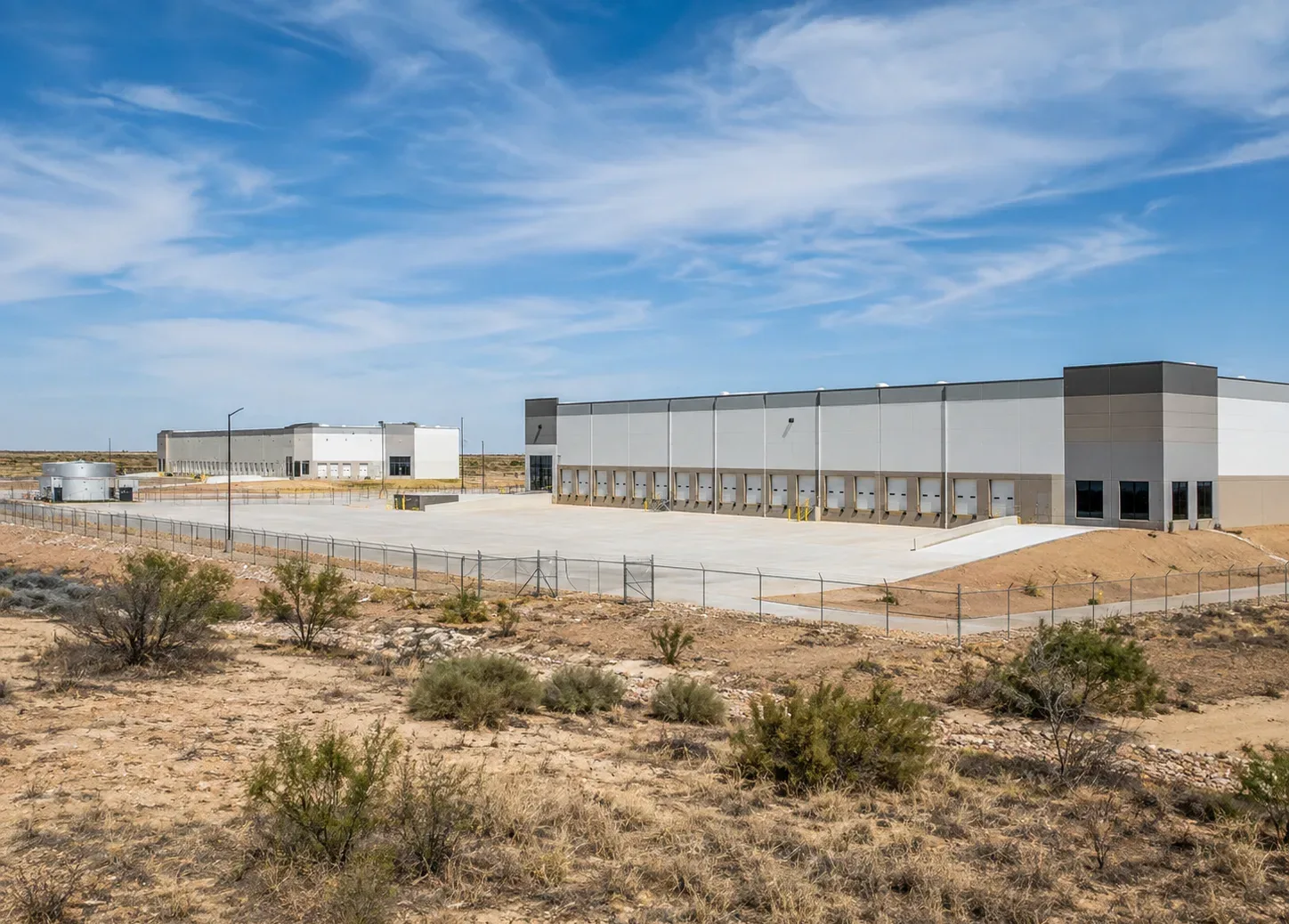
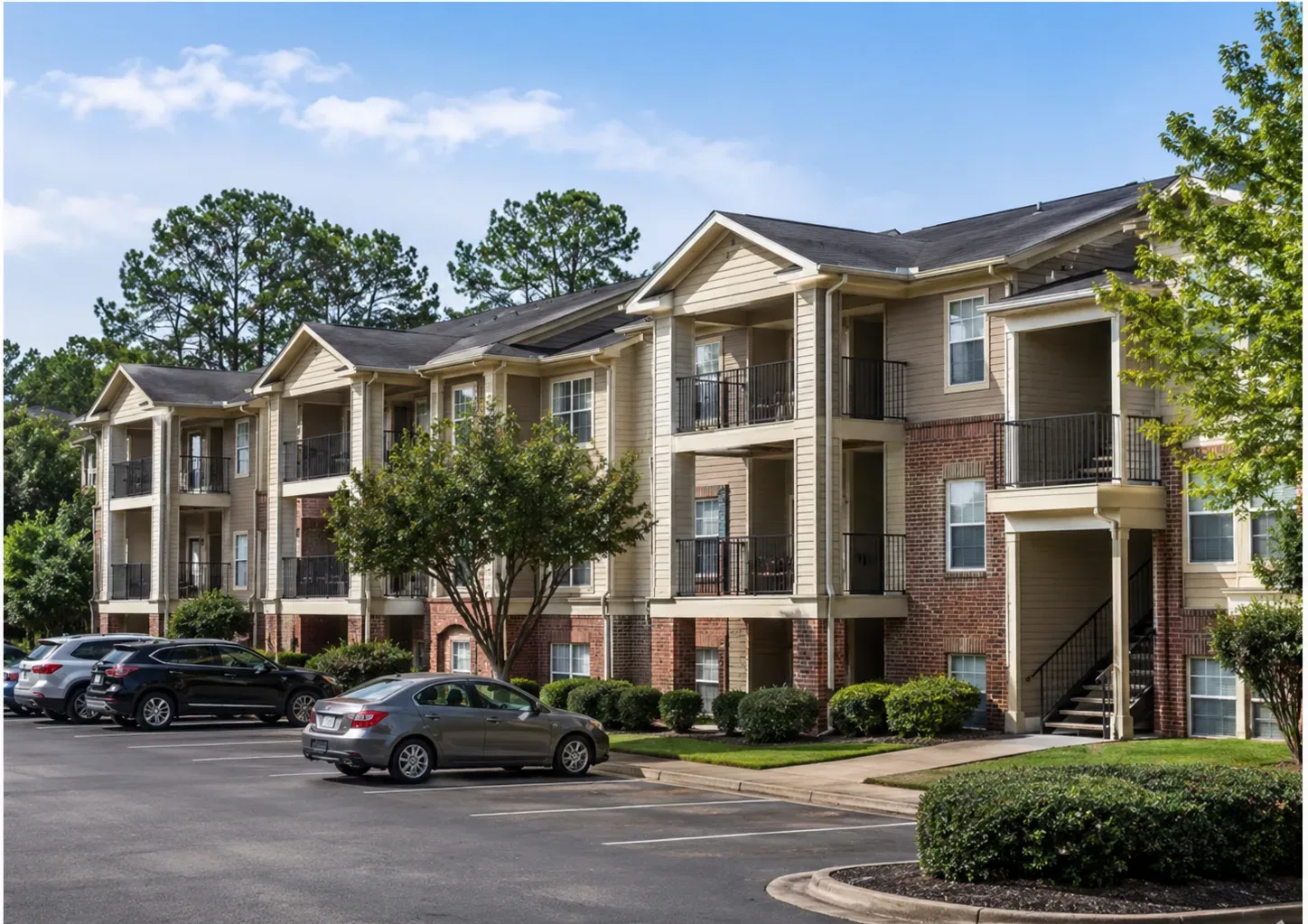
Per the REIT’s Q1 report, CIM REFT held $4.7B in assets across 199 commercial properties spread over 36 states as of March. The portfolio is 89% retail by value, with the balance in eight office assets and seven industrial buildings. After the consolidation, existing REIT shareholders retain a 32.5% interest.
The combined platform is now rebranded as CIM Group Inc., with the company also inheriting CIM REFT’s SEC registration, ticker, and public filing obligations. Although no timeline is fixed, the board and a special committee have authorized CIM to pursue a listing on a major US exchange within five years. The merged company is no longer classified as a REIT for tax purposes, but will continue as a vertically integrated operator, owner, and lender.
Strategic Capital Deployment
CIM’s move comes as it seeks larger-scale growth and greater balance sheet flexibility. According to its SEC presentation, the entity will now have room to deploy capital across five key platforms: real estate, credit, infrastructure, opportunity zones, and strategic operations.
This flexibility follows high-profile deals, like the $210M recapitalization of its Miami Worldcenter stake in April and the launch of a rural opportunity zone fund in May geared toward data centers. That strategy reflects broader investor demand, as data center investments helped drive stronger performance across major real estate funds this year. The structure offers an alternative to a traditional IPO and could help unlock access to flagship assets like Centennial Yards (Atlanta) and Tribune Tower (Chicago) for public market investors.
Why It Matters
For nontraded REIT shareholders, this combination provides both an exit route and renewed upside. CIM shareholders can now solicit new buyers or push for a sale if a listing doesn’t occur within five years, as disclosed in SEC filings. The structure is significant against a backdrop of declining liquidity in nontraded REITs: per Blue Vault’s 2024 report, nontraded REIT NAV redemptions were up 42% over the prior year, pressuring managers to address investor exit needs.
This move positions CIM’s $4.7B commercial portfolio more squarely in the public eye, with existing shareholders retaining significant ownership. Executive chairman Richard Ressler said the combined entity aims for “greater scale, stronger alignment, [and] enhanced resources.” The governance shift—from an externally managed REIT to an internalized structure—mirrors similar transitions by peers seeking better alignment between sponsors and shareholders. As capital flows slow across private CRE, platforms that offer both transparency and liquidity may see an advantage in investor engagement and valuation, per JLL’s Q1 2026 US Capital Markets Outlook.
What’s Next
CIM has committed to exploring a public stock listing within the next two years, requiring shareholder approval and potential market window considerations. If listing or recapitalization does not materialize within five years, shareholders can force a portfolio sale.
Meanwhile, CIM continues to raise capital for targeted strategies, such as opportunity zones and high-growth market assets, and will refine integration of its development, lending, and operations teams under the new corporate structure. The industry will be watching whether this blended structure can generate higher returns—and more flexible exit options—than legacy nontraded REITs or traditional public REITs.