







- International World Cup fans are driving viral buzz around American retail and restaurant chains like Walmart, Buc-ee’s, and Waffle House.
- The 2026 FIFA World Cup is expected to inject $1.47B into US wholesale and retail sectors, per ICSC’s Commerce + Communities Today.
- Operators near host cities see a surge in foot traffic and spending as visitors post their ‘very American’ experiences on social media.
American Retail Icons Capture Global Attention
According to CoStar News, travelers heading to US cities for the 2026 FIFA World Cup are finding more to cheer about than just soccer. International fans have taken to social media to document trips to uniquely American properties—think Walmart, Buc-ee’s, and Waffle House. These stops, often mundane to locals, have become must-see attractions for fans from Europe, Asia, and beyond. The influx of out-of-town visitors has transformed major cities and their retail hubs into hubs of international curiosity, driving new foot traffic to brands that rarely encounter tourists on this scale. ICSC projects that the event could pump $1.47B into US wholesale and retail sectors, largely thanks to this rise in both novelty-driven shopping and higher hotel room nights.
The reaction is pronounced: visitors marvel at massive product sizes in Walmart, indulge late-night at Waffle House, and treat a trip to Buc-ee’s like a pilgrimage. This level of retail tourism around a sporting event highlights the magnetic pull of American consumer culture—and underscores just how much hospitality and retail operators stand to gain from global events on US soil.
Get Smarter about what matters in CRE
Stay ahead of trends in commercial real estate with CRE Daily – the free newsletter delivering everything you need to start your day in just 5-minutes
The Details
Sixteen North American cities are hosting matches for the 2026 FIFA World Cup. They span the US, Canada, and Mexico. In the US, retail and hospitality properties near stadiums are drawing unexpected attention. Buc-ee’s, the Texas-based gas station and general store, became an unlikely tourist stop. Visitors shared videos calling it “Disneyland for hungry adults.”
Meanwhile, Walmart stunned international shoppers with its scale and variety. One visitor lifted a jug of tomato sauce and asked, “Why is it so big?” At Target, European visitors praised the store’s broad product selection. Waffle House also earned fans with its 24/7 breakfast model and comfort food.
Large portions and all-hours service kept surprising guests. As a result, these brands became part of the broader World Cup experience. Fans also praised air-conditioned sports venues, including AT&T Stadium. The venue was renamed Dallas Stadium for the tournament. Many visitors were not used to cooled comfort in public arenas.
A Surge in Experiential Retail Tourism
This World Cup stands apart because CRE destinations are becoming tourist highlights. Retailers, restaurants, and travel plazas now sit beside stadiums in the visitor experience. Major events have always lifted hotel and restaurant demand. However, viral retail experiences now create a new layer of attention.
Visitors from the UK, South Africa, Japan, and Australia shared amazement online. They praised American breakfast chains, big-box stores, and convenience-driven formats. Their reactions show how scale, variety, and convenience define the US visitor experience.
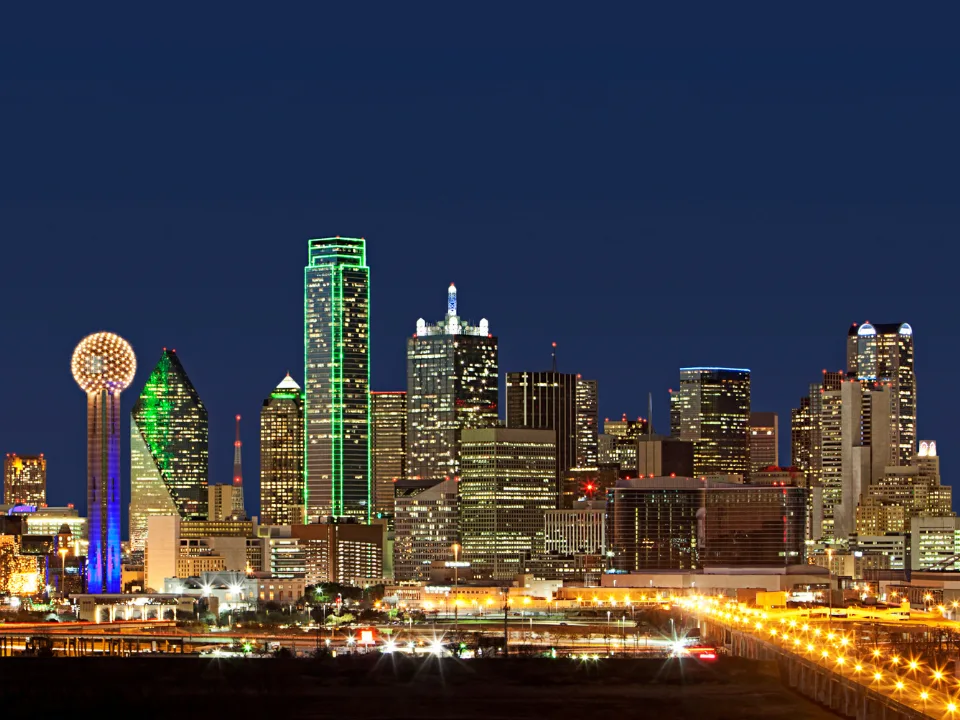
This trend looks especially strong in Dallas, Houston, and Atlanta. Suburban properties near stadiums are seeing non-traditional tourist traffic. Fans are traveling beyond venues for shopping, food, and novelty. Unlike previous tournaments, this retail curiosity adds another revenue stream. Vending machine snacks and massive condiment jars now drive social media discovery.
Why It Matters
Soccer tourists are giving commercial real estate an unexpected boost. Many want a slice of Americana beyond the matches. Per a YouGov study and cited in ICSC’s Commerce + Communities Today, projected incremental retail sales could reach $1.47B. That figure reflects more than higher foot traffic. It also shows the value of memorable, shareable retail experiences. The surge also contrasts with weaker tourism trends that have recently pressured hotels and local travel markets in other US destinations.
For CRE operators and asset managers, this trend highlights brand identity. It also shows how social media can amplify ordinary retail formats. Property owners near major events now have a clear opportunity. Even without hosting the event, they can capture meaningful ancillary income.
Experiential retail has long served as a hedge against e-commerce disruption. Now, international visitors are turning shopping trips into entertainment. Target, Walmart, and Buc-ee’s now appear as cultural landmarks for global fans. Restaurants like Waffle House benefit in a similar way. Retail tourism can grow quickly and create lasting brand loyalty through global word-of-mouth.
What’s Next
As World Cup matches continue through June and July, host-city retailers should expect more spikes. New fan groups will arrive for elimination rounds. Social media will likely amplify these trips even further. That makes operational readiness more important for retailers and property owners.
Going forward, stakeholders may rethink how they position event-adjacent assets. They can market properties as must-visit destinations during major gatherings. That strategy could extend beyond sports championships to conventions and cultural festivals.
For now, expect higher demand at properties featured in fans’ feeds. Bigger baskets may follow as visitors seek more American staples. CRE stakeholders are taking note. Some may redesign spaces to attract international visitors in 2027 and beyond.