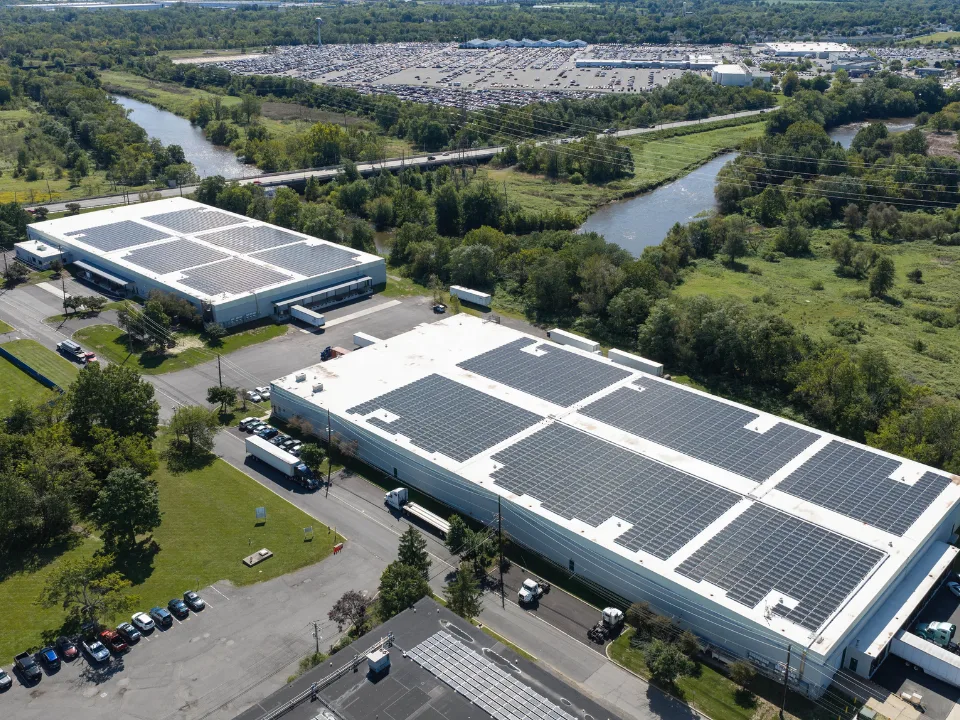





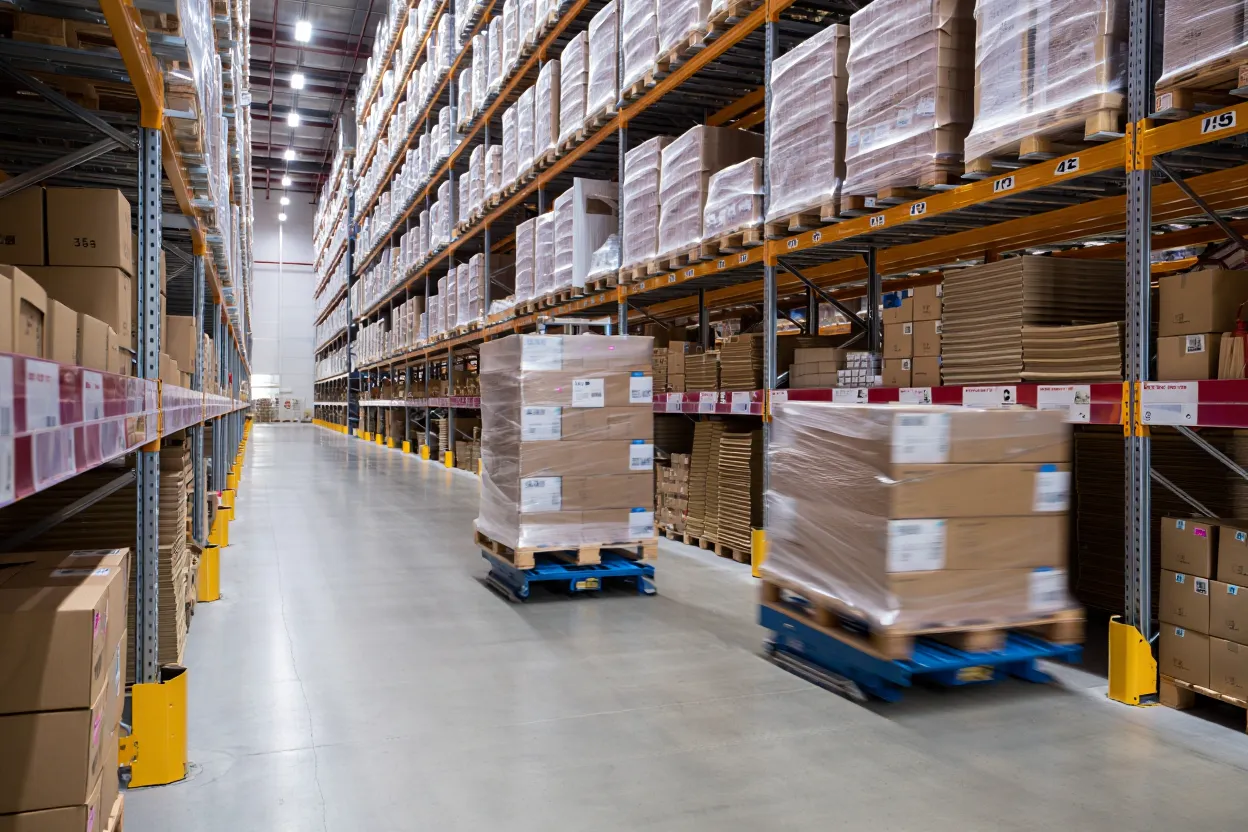
- Walmart has slated an $8M phase to upgrade its Texas distribution center in New Braunfels, beginning August 2026.
- The project will introduce new electrical and material-handling systems, with completion targeted for September 2027.
- This remodel underscores Walmart’s ongoing strategy to automate US supply chain facilities and cut operational costs.
Automation Push Reshapes Supply Chains
Walmart’s latest investment in its New Braunfels, Texas, distribution center marks another step in the retailer’s aggressive push toward network automation, per Retail Dive. According to a Texas Department of Licensing and Regulation document, the company will break ground on an $8M renovation phase in August, a move that highlights the increasing prioritization of automated logistics and distribution across Walmart’s extensive US footprint.
Walmart is not alone in this strategy, but few competitors can rival the scale at which it’s currently retrofitting its distribution centers. The company aims to upgrade all regional facilities, retrofitting 23 of its 42 distribution centers so far in the US to keep up with evolving supply chain demands and cost pressures.
Get Smarter About What Matters in Texas
Subscribe to our free newsletter covering the biggest commercial real estate stories across Texas — delivered in just 5 minutes.
The Details
The 96,715-SF New Braunfels facility will undergo a major renovation. Crews will demolish select areas and upgrade electrical systems. They will also install new material-handling equipment. In addition, they will improve fire suppression and compressed air systems.
State filings show construction will start on August 17, 2026. The project should finish by September 17, 2027. Walmart declined to share more details. However, filings show the project supports a broader push to modernize its logistics network. The company aims to boost efficiency with advanced equipment.
Upgrading US Distribution Amid High Capex Cycle
The Texas remodel aligns with a broader billion-dollar spending cycle. Walmart executives said US supply chain investments could peak in 2026 and 2027. Automation projects account for a large share of that spending.
More than 60% of Walmart’s US stores already receive shipments from automated facilities. That share will rise as upgrades continue. The Texas center anchors a network of regional facilities. These sites support Walmart’s southern logistics network. They also face growing pressure from rising demand and omnichannel fulfillment.
Why It Matters
The remodel shows how automation is reshaping industrial real estate nationwide. Walmart told Supply Chain Dive that automation lowered shipping costs in 2025. It also improved operational efficiency.
The company has automated 23 of its 42 regional distribution centers. It plans to modernize the remaining facilities. The effort complements a broader 2026 investment program that also includes upgrades across hundreds of stores. As a result, Walmart offers a glimpse into how occupiers now rethink industrial space needs. Automated picking systems and advanced material-handling equipment are becoming standard. Upgraded safety systems are also gaining importance.
For CRE stakeholders, Walmart’s strategy points to sustained demand for specialized assets. Tenants increasingly seek power-heavy, high-clearance, and flexible buildings. Retailers and third-party logistics firms value these features. Labor costs and e-commerce volumes continue to climb. As automation spending grows, landlords may face higher fit-out costs. Developers should also expect shifting tenant demands across Sun Belt logistics markets.
What’s Next
This phase will continue through at least September 2027. However, Walmart will likely pursue additional network upgrades afterward. Executives expect supply chain spending to peak in 2026 and 2027. CRE owners near Walmart hubs could see more tenant improvements. They may also benefit from new infrastructure projects.
Expect more retrofit announcements in older and newer markets. Big-box operators continue racing to expand automated logistics capabilities.