





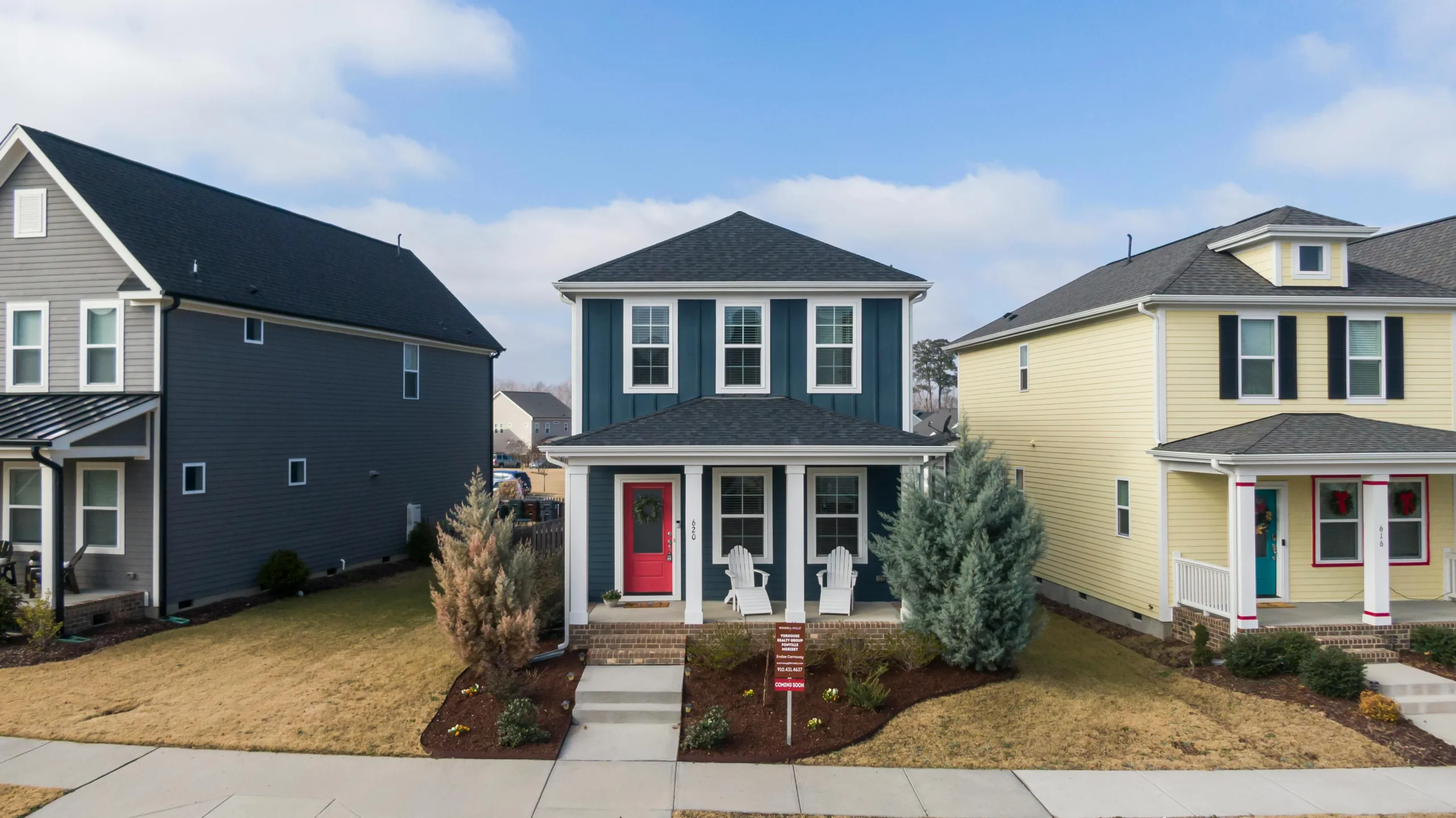
- The House passed a revised housing bill that removed a Senate-backed requirement forcing developers to sell newly built rental homes within seven years.
- Builders argued the mandate would have disrupted the single-family rental pipeline by limiting returns, freezing investment activity, and potentially forcing tenant turnover.
- The legislation still tightens restrictions on institutional investors buying single-family homes, highlighting Washington’s growing focus on housing affordability ahead of the 2026 midterms.
The House passed a revised housing bill on May 20 that delivers a major victory for home builders and single-family rental developers. Lawmakers voted 396-13 to approve legislation that keeps restrictions on institutional homebuyers while eliminating a controversial provision that would have required developers to sell newly built rental homes within seven years.
The WSJ reports that move eases concerns across the homebuilding and build-to-rent sectors, where developers warned the Senate-backed rule would have undermined project economics and stalled new housing supply. The White House has since signaled support for the revised House version as lawmakers push to finalize the package before Congress breaks for the August recess.
Get Smarter about what matters in CRE
Stay ahead of trends in commercial real estate with CRE Daily – the free newsletter delivering everything you need to start your day in just 5-minutes
Why Builders Fought the Seven-Year Rule
The Senate’s earlier version of the housing bill included a requirement forcing developers to exit single-family rental holdings within seven years of completion. Builders and institutional investors argued the timeline was too short for many projects to stabilize and generate acceptable returns, particularly in higher-cost growth markets.
Industry groups also warned the mandate could create operational disruptions by forcing landlords to sell occupied homes or push tenants out to market the properties individually. According to The Wall Street Journal, some investment activity in the build-to-rent sector had already slowed as developers waited for clarity on the legislation.
The provision became one of the most contentious parts of the broader housing package, which lawmakers positioned as a response to rising voter frustration over affordability and institutional ownership of homes.
The Details
While the House removed the seven-year disposition mandate, the bill still includes restrictions on institutional investors purchasing single-family homes. Lawmakers preserved much of the Senate’s tougher investor-ban framework after negotiations involving the White House and Sen. Elizabeth Warren (D-Mass.), one of the original architects of the Senate proposal.
The revised bill also includes several supply-focused measures designed to accelerate housing development. Those provisions streamline environmental reviews and reduce barriers for manufactured housing. The package also builds on earlier Senate efforts to speed housing construction and ease supply constraints nationwide. The bill also directs the Department of Housing and Urban Development to create renter support resources for investor-owned properties.
President Trump has publicly pushed Congress to advance housing affordability legislation throughout 2026, making the bill a key political issue heading into the midterm election cycle. In a statement released Wednesday, the White House urged lawmakers to “resolve any remaining differences expeditiously.”
Build-to-Rent Stays in the Spotlight
The debate underscores how central the single-family rental market has become in national housing policy discussions. Institutional investors dramatically expanded their presence in the sector after the Great Financial Crisis, and build-to-rent communities have since evolved into a major asset class for developers and private equity firms.
According to Yardi Matrix’s 2026 build-to-rent pipeline data, developers continue to target Sun Belt metros including Dallas-Fort Worth, Phoenix, Atlanta, and Tampa, where population growth and affordability constraints support rental demand. Many builders have increasingly relied on build-to-rent projects as elevated mortgage rates keep would-be buyers out of the for-sale market.
Critics, however, argue institutional buyers reduce homeownership opportunities by competing directly with households for entry-level inventory. That concern has gained traction politically as housing costs remain elevated nationwide.
Why It Matters
Removing the seven-year sale requirement protects a key financing model for home builders. Housing supply remains tight across many US markets. Developers warned the rule would reduce capital flows into build-to-rent projects. Long-term investors often rely on extended holding periods to generate returns.
The decision also shows Washington’s difficult balancing act. Lawmakers want to limit Wall Street ownership of housing. At the same time, they do not want to discourage new construction. Many builders viewed the Senate provision as a threat to future housing supply. The House version still allows Congress to address affordability concerns.
The final outcome could shape future investment in the single-family rental sector. Institutional investors have expanded their presence in the market over the past decade. Build-to-rent developers will now watch the Senate’s next move closely.
What’s Next
The bill now heads back to the Senate, where lawmakers must reconcile differences before sending final legislation to President Trump. Senate leaders are targeting passage before the August recess, according to The Wall Street Journal.
The biggest question is whether Senate negotiators attempt to revive stricter investor restrictions or accept the House compromise. Developers, private equity firms, and homebuilders will be watching closely, particularly as build-to-rent starts remain sensitive to both financing costs and regulatory risk in 2026.