






- Texas communities are organizing against a fast-growing pipeline of data center projects that could reshape rural counties and strain local infrastructure.
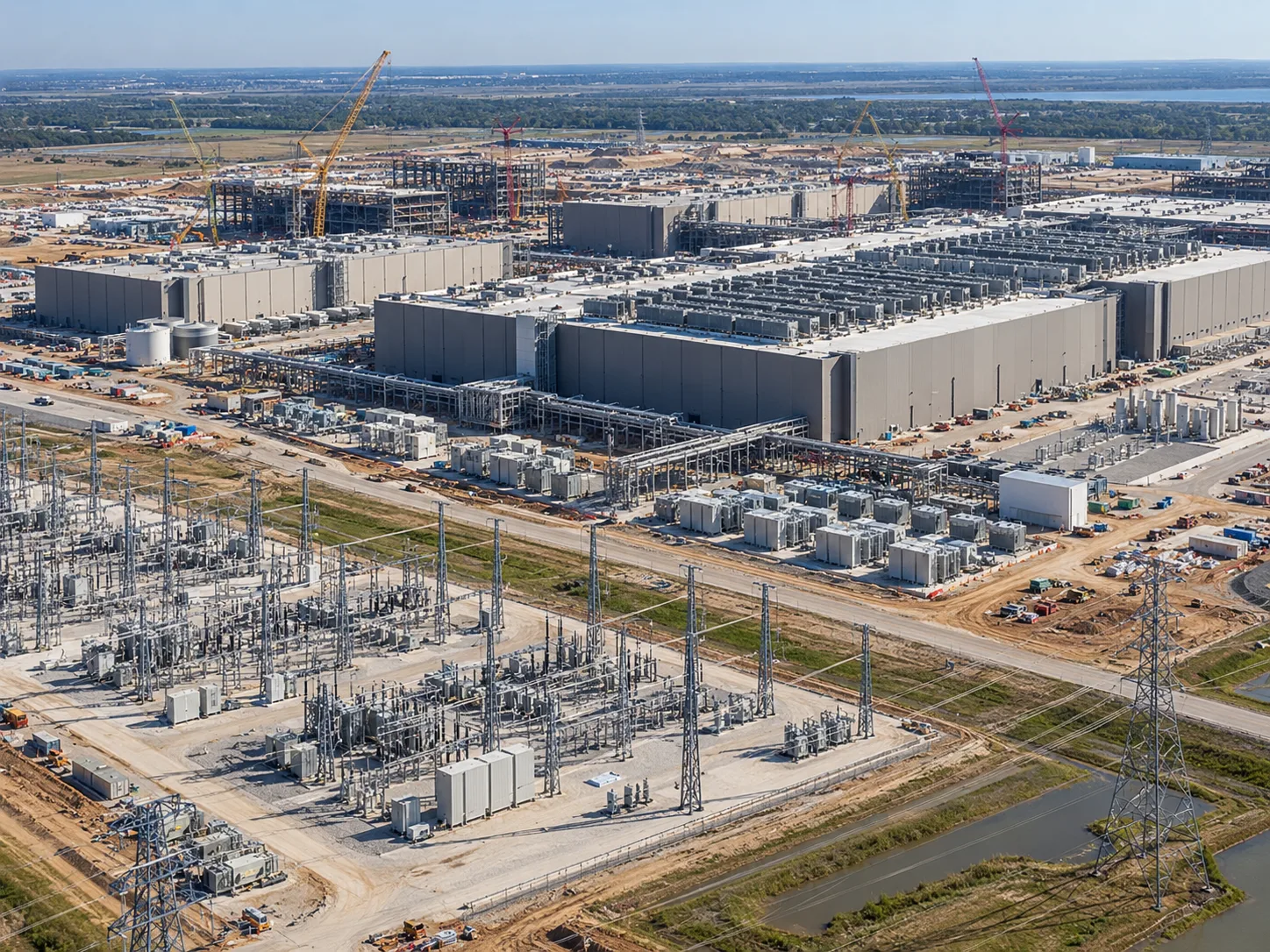
- Caldwell County alone could see more than $20B in data center investment over the next five years, with multiple operators already planning projects.
- The fight highlights a broader tension in Texas CRE and infrastructure policy, where local governments have limited authority to slow state-backed economic growth.
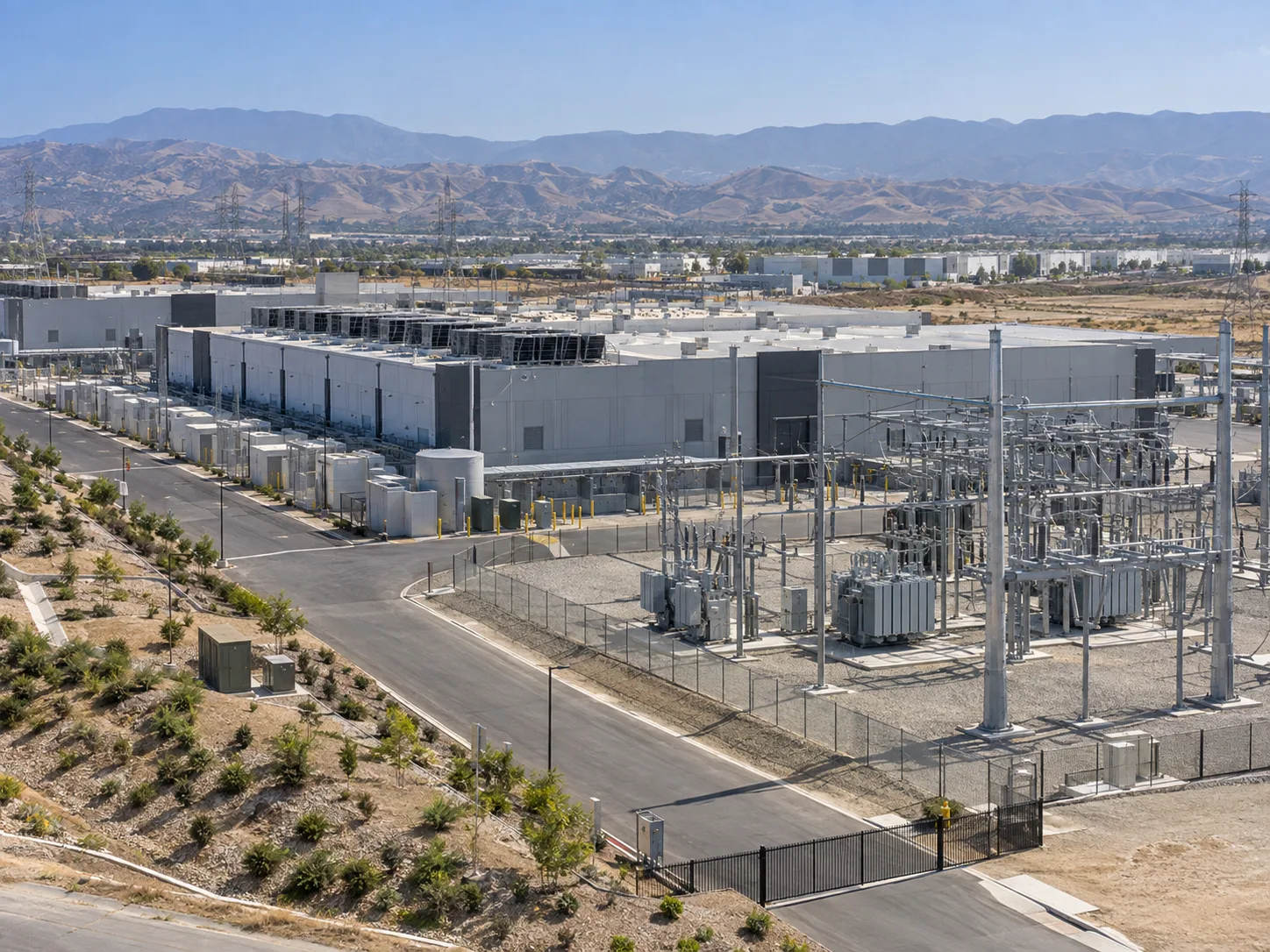
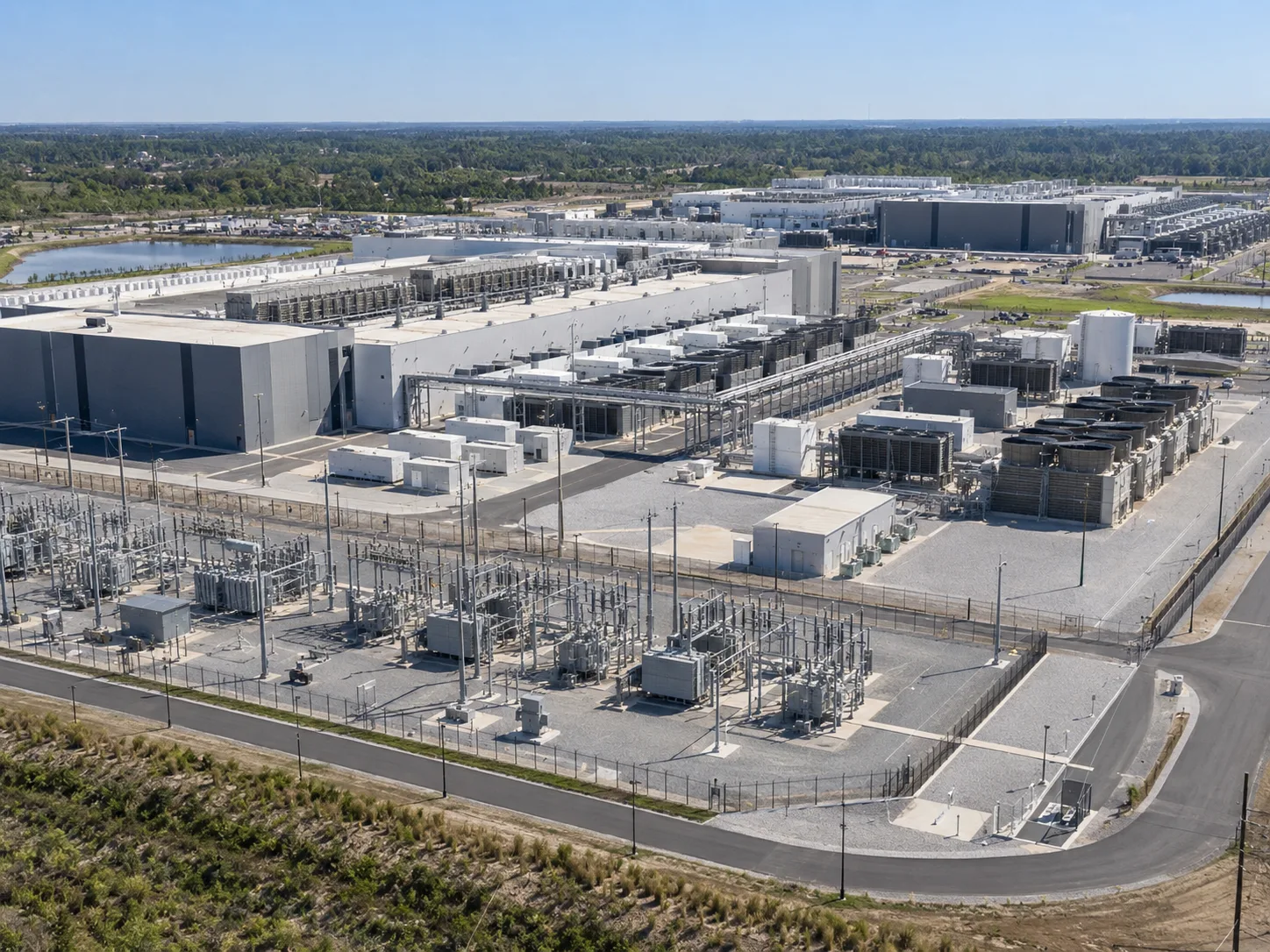
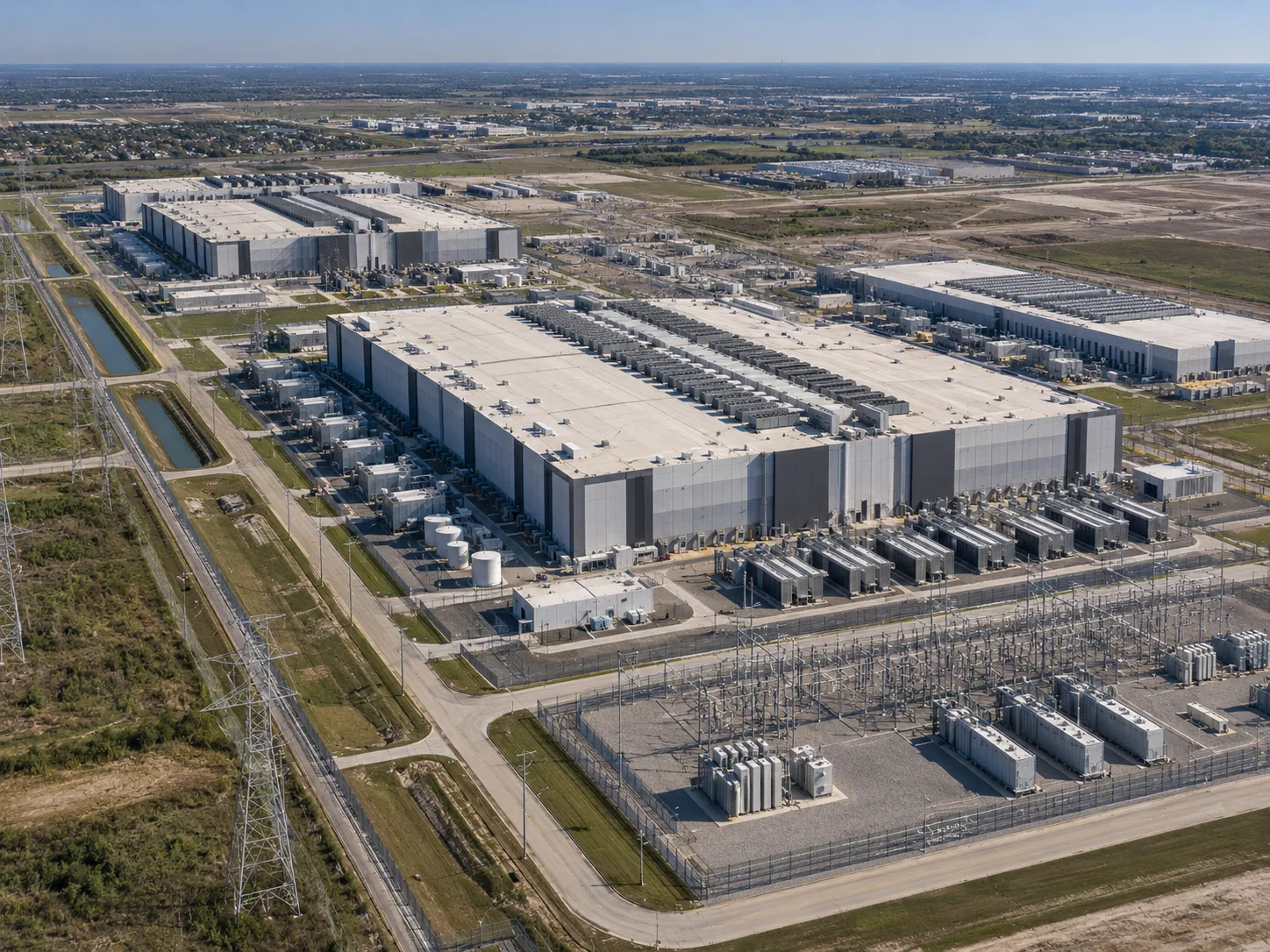
Texas’ data center boom is accelerating, but so is resistance from the communities expected to host it, according to The Real Deal. As developers race to secure land and power capacity across the state, local officials and residents are raising concerns about electricity demand, water consumption, and the ability of rural infrastructure to absorb hyperscale growth.
The tension is especially visible in Caldwell County, a rural but rapidly developing area between Austin and San Antonio. County Judge Hoppy Haden told the Austin Business Journal he plans to push frustrated residents toward state lawmakers ahead of the 2027 Texas legislative session, arguing local governments lack meaningful tools to regulate the industry’s expansion.
Get Smarter About What Matters in Texas
Subscribe to our free newsletter covering the biggest commercial real estate stories across Texas — delivered in just 5 minutes.
A Central Texas Flashpoint
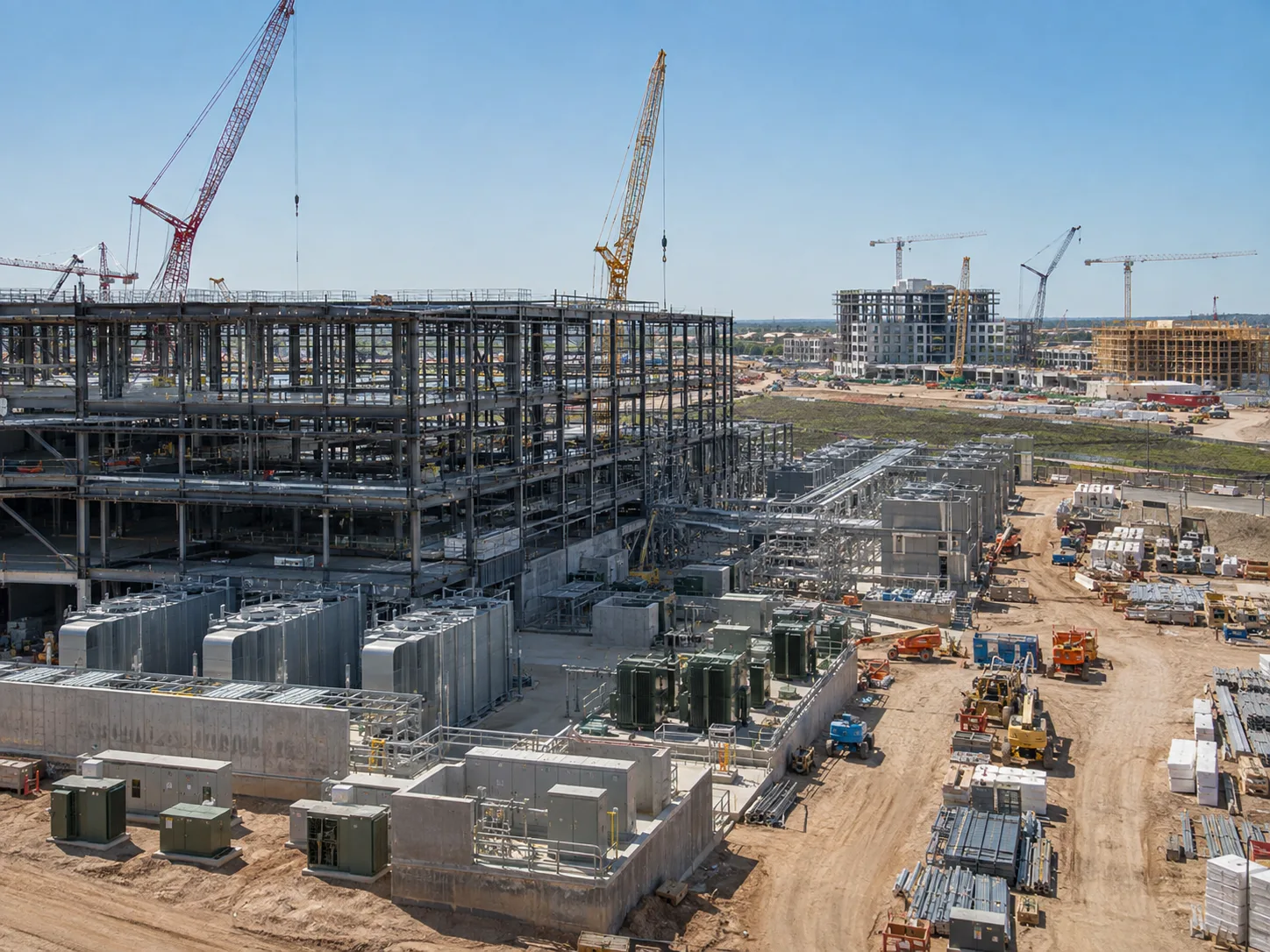
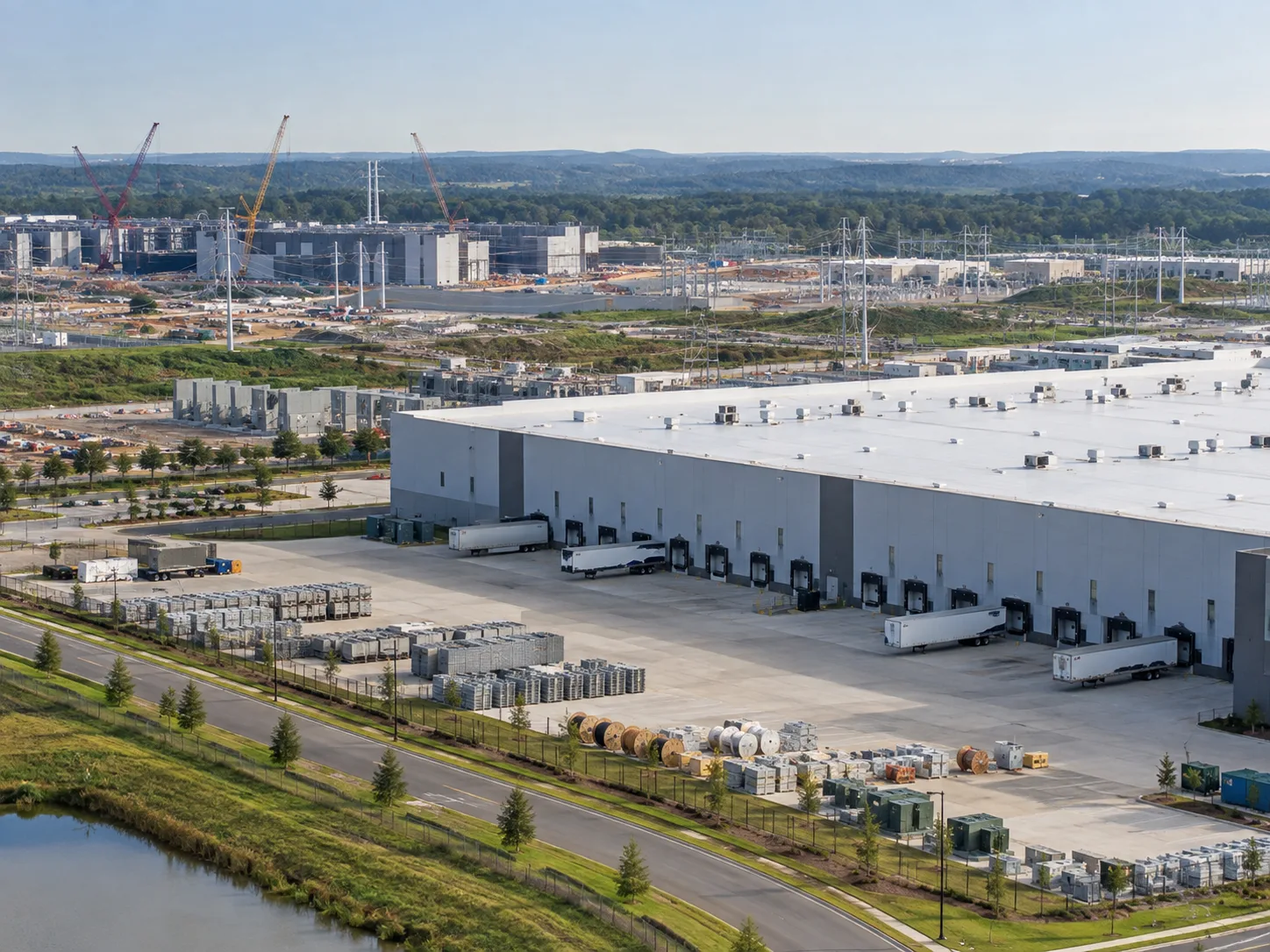
Caldwell County has emerged as one of the clearest examples of the state’s data center land rush. According to the Austin Business Journal, the county is tracking at least four major data center projects representing more than $20B in projected investment over the next five years.
Operators tied to confirmed projects include Tract, Edged Energy, Prime Data Centers, and PowerHouse Data Centers. Haden also indicated additional operators are exploring nearby sites, underscoring how aggressively developers are targeting land along the Austin-San Antonio corridor.
The projects mirror broader statewide activity. Amazon Data Services recently acquired roughly 1,300 acres in Texas for potential data center campuses, while Elon Musk-linked companies continue expanding industrial and technology infrastructure across Central Texas. The pace of announcements has become nearly constant as AI-driven computing demand reshapes site selection strategies nationwide.
The Details
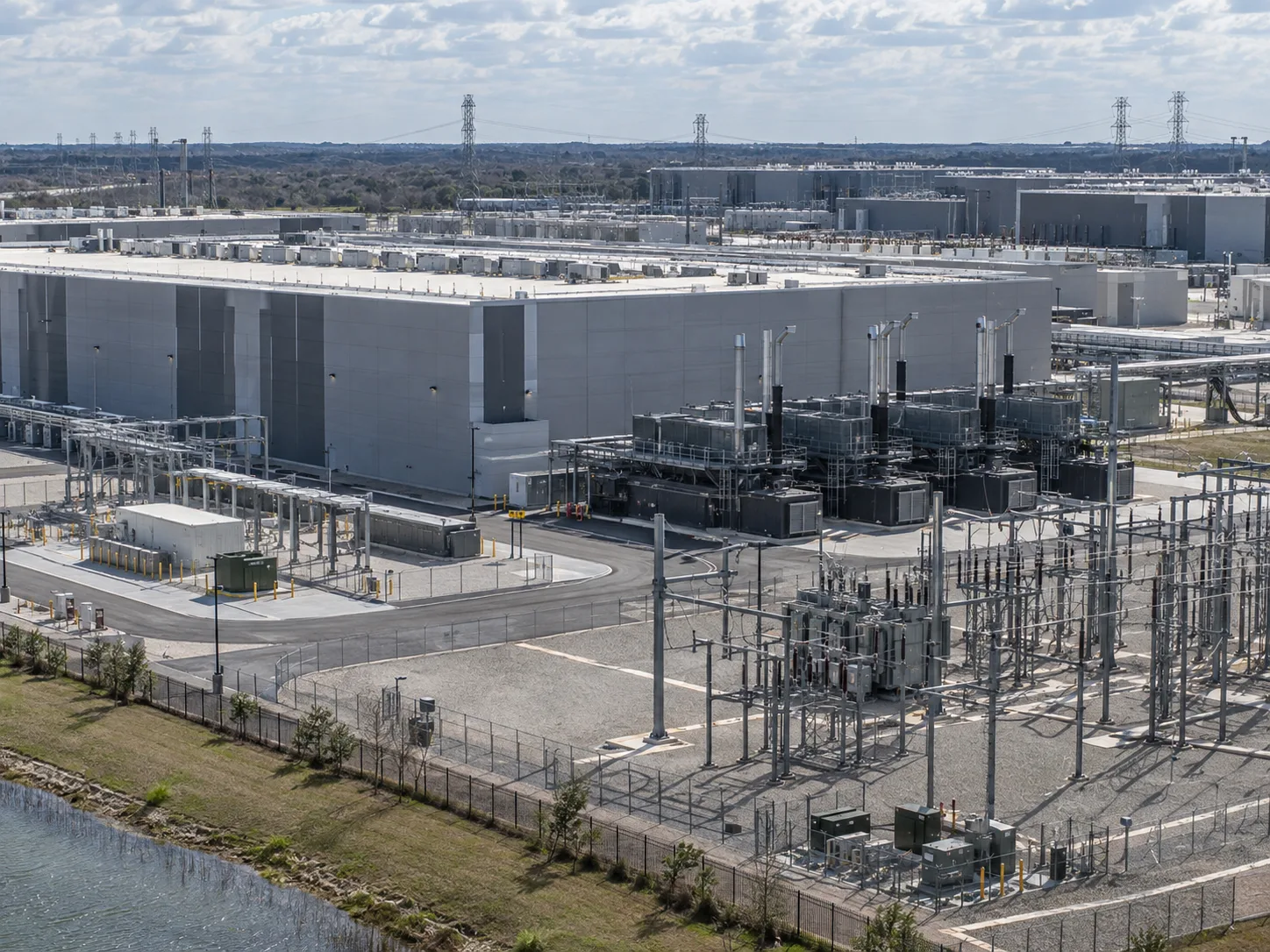
The biggest concern for many local officials is infrastructure capacity. According to the Electric Reliability Council of Texas (ERCOT), roughly 410 gigawatts of large-load projects are currently seeking interconnection to the Texas power grid, with data centers accounting for about 87% of that demand, per the Austin Business Journal.
That scale far exceeds current grid growth patterns and has intensified concerns about reliability in a state already associated with high-profile power failures. Water consumption is also becoming a political issue, particularly in drought-prone regions where hyperscale facilities may compete with residential and agricultural users for limited resources.
Unlike some states that require extensive environmental review or local approval processes, Texas historically favors a lighter regulatory approach to economic development. Local governments generally have limited authority to block projects if developers meet zoning and permitting requirements, leaving many county officials dependent on state lawmakers for broader policy changes.
A Collision Between AI Growth and Local Control
Texas has become one of the country’s hottest data center markets thanks to relatively cheap land and business-friendly policies. According to CBRE’s 2025 North America Data Center Trends report, Austin-San Antonio remains one of the fastest-growing secondary markets in the US. The expansion is also reshaping utility planning nationwide, as power providers prepare for massive infrastructure spending tied to AI-driven demand.
That growth is now colliding with a familiar Texas political dynamic: state preemption over local control. Cities and counties can object to infrastructure impacts, but the state legislature has historically prioritized economic expansion and private investment over localized restrictions.
Industry advocates argue the projects bring tax revenue, jobs, and long-term infrastructure investment. Critics counter that many facilities create relatively few permanent jobs compared to the strain they place on utilities, roads, and natural resources.
Why It Matters
The data center pipeline represents one of the largest industrial real estate expansion cycles currently underway in Texas. Developers are chasing AI-related demand that requires enormous computing power, and Texas offers one of the few markets capable of delivering large-scale sites quickly.
But the backlash signals that community resistance may become a bigger underwriting factor for future projects. Power availability, water rights, and political opposition are increasingly influencing timelines, entitlement risk, and infrastructure costs across the sector.
The debate could also shape how Texas balances economic development with grid reliability. ERCOT’s growing interconnection queue suggests demand from data centers may soon rival broader statewide infrastructure planning priorities.
What’s Next
Attention is shifting toward the 2027 Texas legislative session, where opponents are expected to push for tighter oversight tied to water use, grid impacts, and local approval authority. So far, there are few signs state lawmakers intend to slow development materially.
In the meantime, developers continue locking up land and utility capacity across Texas. As AI adoption drives another wave of hyperscale demand, the state is likely to remain a top target for data center investment — even as political resistance intensifies at the local level.