



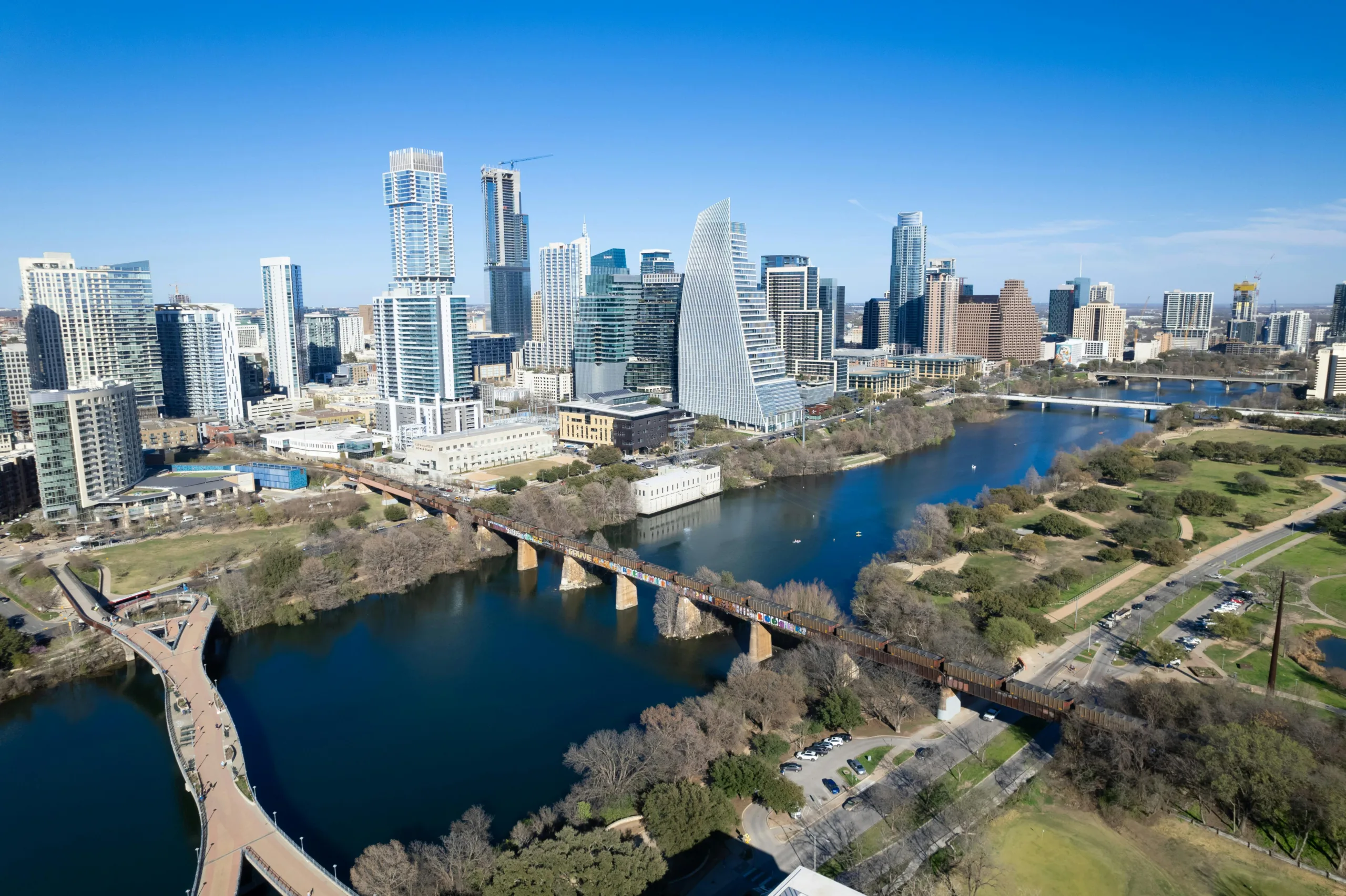
- Austin’s official population reached 1,002,632 in 2025, making it one of only 12 US cities with more than 1M residents.
- Population growth continues despite affordability concerns, with declining rents and a 4% job growth rate helping retain and attract residents.
- The milestone underscores Austin’s growing economic influence while increasing pressure on housing, transportation, utilities, and public infrastructure.
Austin officially became a city of more than 1M residents, a milestone that further cements the Texas capital’s position as one of the country’s fastest-growing economic hubs, reports Kut News. New US Census Bureau data released Thursday pegged Austin’s 2025 population at 1,002,632, pushing the city into a small group of just 12 US cities with seven-digit populations.
The designation marks another turning point for a market that has transformed from a regional tech hub into a national magnet for employers, investors, and developers. While many large US cities have seen slowing or declining population growth since the pandemic, Austin continues adding residents even as affordability pressures reshape migration patterns across Texas.
Get Smarter About What Matters in Texas
Subscribe to our free newsletter covering the biggest commercial real estate stories across Texas — delivered in just 5 minutes.
A Long-Awaited Population Milestone
Austin city officials argued the metro had effectively crossed the million-resident threshold years ago, though local estimates diverged from federal counts following the 2020 Census. City Demographer Lila Valencia said pandemic-era disruptions likely undercounted Austin’s population by roughly 40,000 residents.
Since 2020, Austin’s official population has grown 4.6%, according to the US Census Bureau’s 2025 estimates. The city now joins Houston, Dallas, San Antonio, and Fort Worth as Texas cities with populations exceeding 1M.
Local leaders framed the milestone as both an economic signal and a planning challenge. Austin Mayor Kirk Watson said the city’s growth confirms its standing as a major US market while intensifying demands on transportation, housing, and public services.
The Details Behind Austin’s Growth
Despite rising living costs over the past several years, Austin continues benefiting from strong job creation and relative housing stabilization. Valencia pointed to a 4% local job growth rate and softening apartment rents as key factors helping retain residents who may otherwise have relocated to lower-cost markets.
The broader Austin region also continued expanding rapidly. Round Rock’s population climbed 4.2% year-over-year to more than 141,000 residents, while Leander grew from roughly 59,000 residents in 2020 to approximately 91,000 in the latest Census estimates.
That suburban growth is fueling additional infrastructure investment across Central Texas. Leander officials said the city is accelerating planning around parks, water systems, staffing, and long-term infrastructure needs to accommodate continued population expansion over the next decade.
Austin’s Growth Story Keeps Evolving
Austin’s population milestone arrives during a period of uneven growth nationally. According to the US Census Bureau, roughly one-third of US cities with populations above 250,000 lost residents between 2024 and 2025.
That divergence reinforces Austin’s position as one of the Sun Belt’s strongest long-term growth markets. It also contrasts with broader migration trends favoring smaller exurban markets over major cities. The city’s tech sector and lifestyle appeal continue attracting companies and workers despite elevated housing costs.
Still, the pace of growth has moderated compared to the pandemic-era surge that drove record apartment deliveries and aggressive commercial development across the metro. Housing affordability remains a central issue as policymakers balance density, transportation investment, and neighborhood preservation.
Why It Matters
Crossing the 1M resident threshold gives Austin additional economic and political weight at a time when competition for corporate investment and talent remains intense. Population growth directly supports demand for multifamily housing, retail, industrial logistics space, healthcare facilities, and transportation infrastructure.
The milestone also highlights the growing strain on the city’s physical systems. Austin leaders continue grappling with congestion, aging infrastructure, water planning, and affordability concerns as development expands farther into suburban markets.
For CRE stakeholders, sustained population growth remains one of the clearest indicators supporting long-term investment activity. Even with slower in-migration than the market saw in 2021 and 2022, Austin continues outperforming many peer cities on demographic momentum.
What’s Next
Austin officials expect additional demographic data, including age, race, and household trends, to be released in June by the Census Bureau. Those figures will provide a clearer picture of how migration patterns and affordability pressures are reshaping the city’s population base.
Meanwhile, Central Texas cities are preparing for continued expansion. Infrastructure spending, housing production, transit investment, and suburban development will remain focal points as the region adjusts to its next phase of growth as a major national metro.