







- Gov. Kathy Hochul’s revised pied-à-terre tax proposal would apply to roughly 10,000 New York City second homes, down from an earlier estimate of 13,000 units.
- The two-phase tax structure would initially target homes with a Department of Finance market value above $1M, which the state says roughly equals a $5M sales price.
- Real estate groups warn the proposal could chill luxury investment and development activity in Manhattan despite the city’s growing budget pressures.
According to The WSJ, New York’s proposed pied-à-terre tax is getting narrower, but not cheaper. Gov. Kathy Hochul’s administration now estimates the tax would apply to about 10,000 second homes across New York City, roughly 3,000 fewer than initially projected, according to reporting from The Wall Street Journal and The New York Times.
Despite the lower property count, the state still expects the tax to generate roughly $500M annually. The proposal comes as city and state officials search for new revenue sources to help address New York City’s estimated $12B budget deficit.
Get Smarter About What Matters in New York
Subscribe to our free newsletter covering the biggest commercial real estate stories across the five boroughs — delivered in just 5 minutes.
A Revised Approach to NYC Second Homes
Hochul first floated the pied-à-terre tax earlier in 2026 as an alternative to broader tax hikes on corporations and high-income residents. The proposal gained traction after New York City Mayor Zohran Mamdani pushed for higher taxes on wealthy residents and businesses, though Hochul resisted those broader measures ahead of her November reelection campaign.
The updated estimate reflects newer city housing data, according to Hochul’s office. The tax specifically targets non-primary residences, a category that includes many luxury condos and co-ops owned by out-of-state or international buyers.
The Details
Under the current proposal, the tax would roll out in two phases. For the first two years, second homes with a Department of Finance market value of at least $1M would face tax rates ranging from 4% to 6.5%.
That valuation method is notable because New York City assesses co-ops and condos based on comparable rental properties rather than actual sales prices. Hochul’s office estimates a $1M market value would roughly equate to a $5M sales price in the open market.
After the initial two-year period, the tax structure would shift to a lower-rate system using a yet-to-be-developed valuation method. City officials would need to create a new framework for assessing second-home values before phase two begins.
Luxury Condo Concerns Intensify
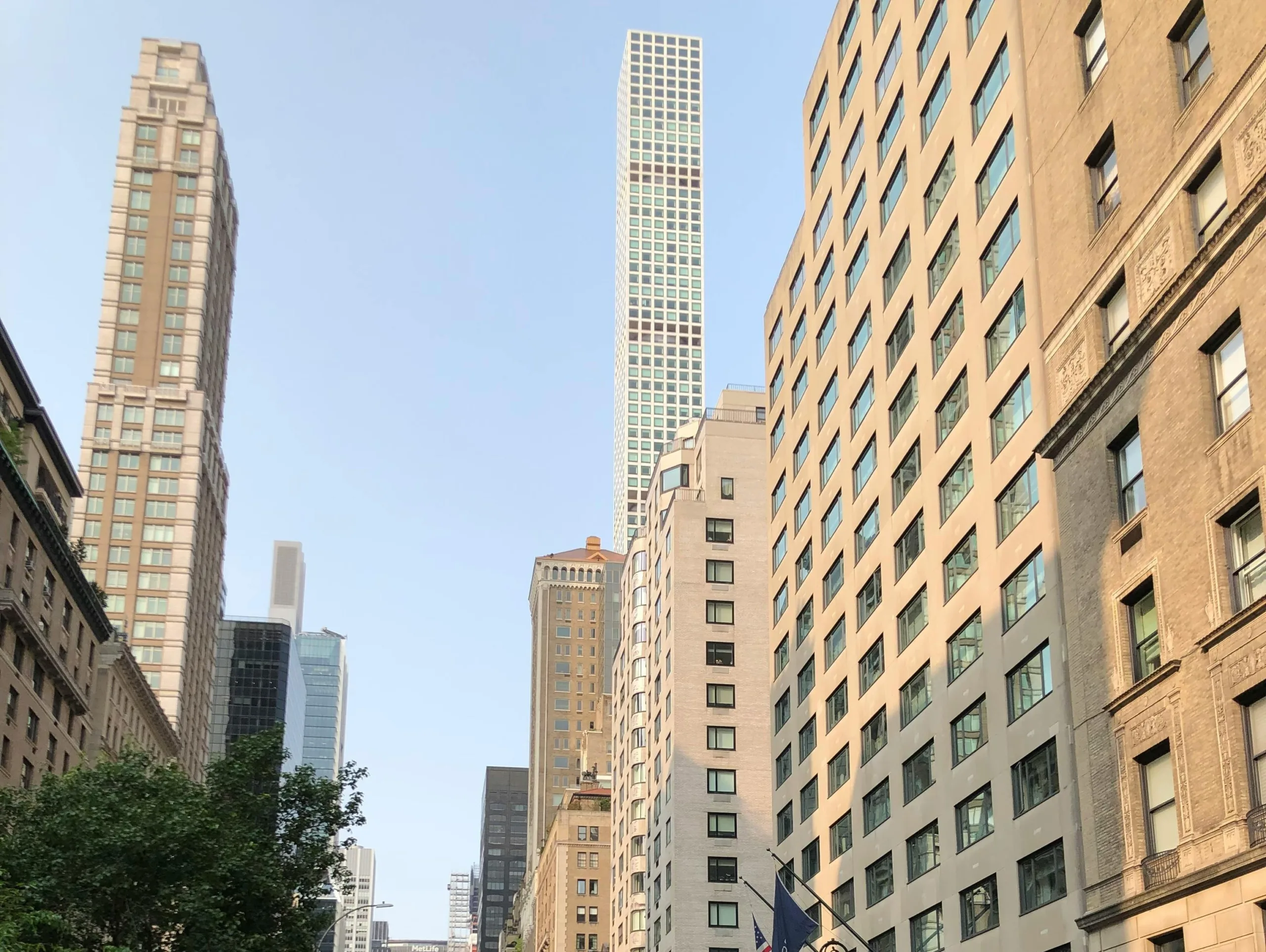
The proposal has amplified concerns across Manhattan’s luxury residential market, particularly among developers, brokers, and institutional investors. Industry groups argue the tax could discourage high-end buyers at a time when the city is already facing elevated construction costs, slower office leasing, and uneven foreign capital flows.
The Real Estate Board of New York has been one of the loudest critics. REBNY President Jim Whelan said in April that pied-à-terre taxes create “significant logistical issues” and warned poorly structured implementation could reduce housing production and investment activity. Several luxury brokers have also warned the proposal could weaken demand for ultra-high-end condos and further complicate deal activity across Manhattan’s prime residential market.
The debate also spilled into the corporate sector. Citadel CEO Ken Griffin publicly criticized the proposal after Mayor Mamdani highlighted Griffin’s $238M purchase at 220 Central Park South in campaign messaging. Another Citadel executive suggested the tax could affect the firm’s planned Midtown expansion, though Griffin later signaled the company would proceed with the project.
Why It Matters
New York’s luxury residential sector has long depended on global wealth flows and second-home buyers to support pricing, tax revenue, and new development pipelines. A targeted second-home tax could reshape buyer behavior at the top end of the market, particularly for ultra-luxury condo projects that rely heavily on nonresident purchasers.
The proposal also highlights growing fiscal pressure on New York City. Officials are balancing the need for new revenue sources against concerns that higher taxes could push investment elsewhere. According to Hochul’s office, the revised tax structure is still expected to raise $500M annually despite the smaller pool of affected homes.
What’s Next
The proposal remains in flux, with valuation mechanics and implementation details still unresolved. Developers, lenders, and luxury brokers will be watching closely for final legislation, particularly around how phase-two assessments will work and whether exemptions emerge during negotiations.
The broader question is whether New York can raise meaningful revenue from luxury housing without undermining investment appetite in one of the country’s most important high-end residential markets.