




- Owner-users are gaining market share in industrial acquisitions as institutional investors pull back and competition for assets declines.
- Opportunistic buyers and developers are targeting discounted assets and new projects in major logistics markets including the Inland Empire, Texas, and the Midwest.
- The shift in buyer activity suggests investors still see long-term strength in industrial real estate despite weaker demand and oversupply concerns.
Industrial real estate may have lost some of its pandemic-era momentum, but deal activity hasn’t disappeared, reports Globe St. Instead, a narrower pool of buyers is shaping the market as softer pricing, reduced bidding competition, and oversupply create opportunities in mature logistics hubs.
According to Lee & Associates executives, owner-users and opportunistic investors are emerging as the most active industrial buyers in 2026. Both groups are capitalizing on a market slowdown that has sidelined many institutional investors but opened the door for strategic acquisitions in high-barrier metros.
Get Smarter about what matters in CRE
Stay ahead of trends in commercial real estate with CRE Daily – the free newsletter delivering everything you need to start your day in just 5-minutes
Industrial Demand Resets After Pandemic Highs
The industrial sector spent more than a decade riding explosive growth fueled by e-commerce expansion, supply chain restructuring, and historically low vacancy rates. But momentum has cooled significantly since the 2021 peak. According to comments from Lee & Associates CEO Jeff Rinkov, industrial demand has fallen roughly 81% from its high-water mark, contributing to slower rent growth and excess new supply in several major markets.
That reset has changed buyer behavior. Institutional capital has become more selective as higher interest rates and softer leasing fundamentals pressure valuations. At the same time, many long-term investors still believe the sector’s fundamentals remain intact, especially in gateway logistics markets with limited land availability.
The Details
Owner-users are benefiting most directly from the slowdown in investment competition. With fewer institutional bidders pursuing industrial assets, companies looking to occupy facilities themselves are finding more opportunities to acquire buildings at favorable pricing.
Rinkov said owner-users are increasingly providing exit liquidity for landlords and developers looking to reduce exposure or sell individual projects. Some manufacturers are also benefiting from tariffs and domestic production initiatives that support reshoring activity, giving them additional incentive to secure operational space through acquisitions instead of leasing.
Opportunistic investors are also becoming more active as industrial values adjust downward. These buyers are targeting temporary pricing dislocations in markets they still view as long-term winners. Rinkov noted that lower valuations are helping revive investor interest in major industrial metros where pricing had previously become difficult to justify.
Developers are beginning to re-enter the conversation as well. Lee & Associates managing principal Brian Knowles described developers as the “real risk takers” now looking to restart speculative industrial projects near dense population centers and logistics infrastructure.
Major Logistics Hubs Remain In Focus
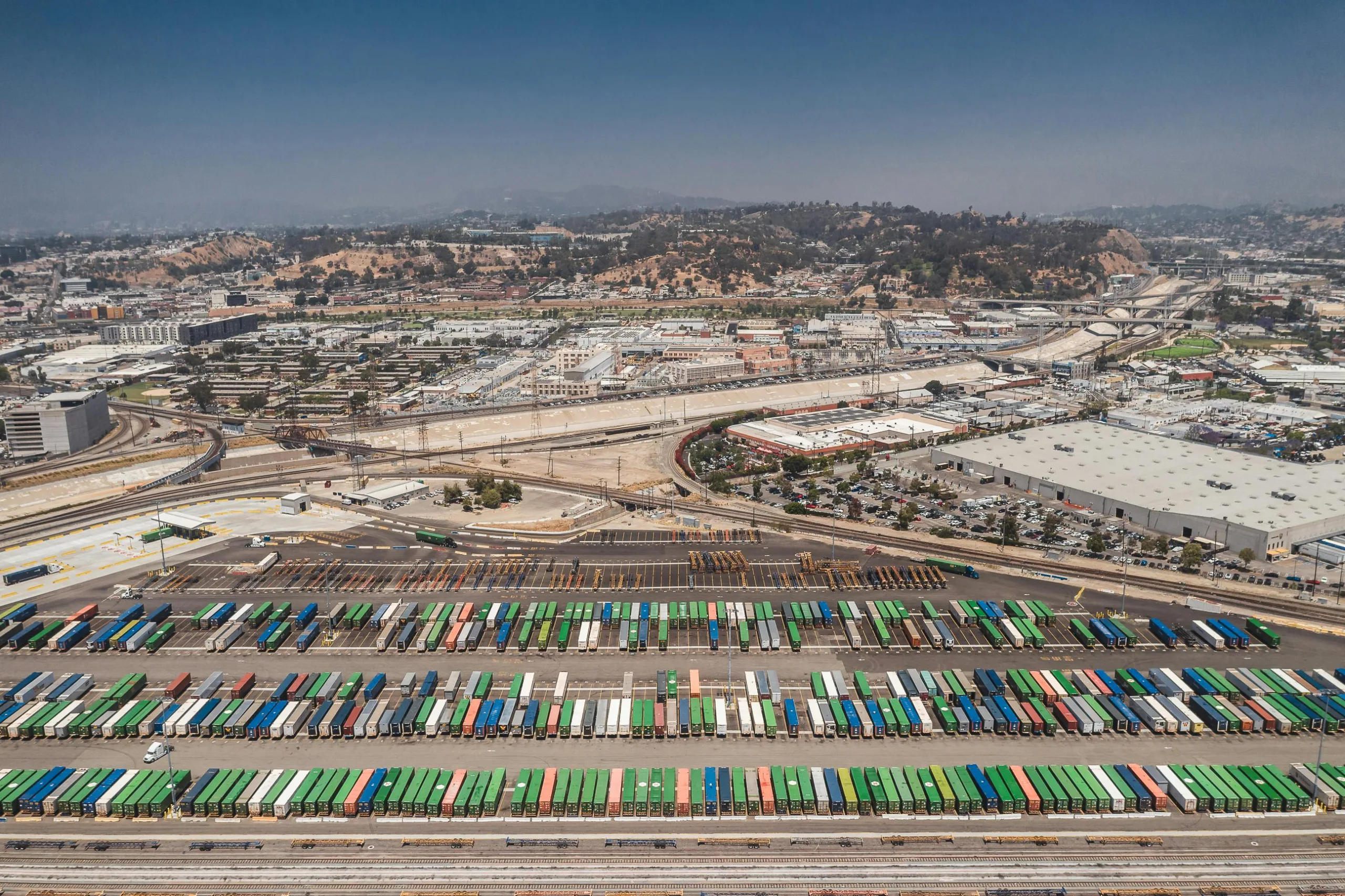
The most active industrial buyers are still concentrating on large, established distribution markets despite near-term softness. Lee & Associates executives pointed to the Pacific Northwest, Florida, Texas, Chicago, Columbus, Indianapolis, and Southern California’s Inland Empire as areas continuing to attract investor attention.
That trend reflects a broader conviction that logistics fundamentals in these regions remain durable even as vacancy rises in the short term. In markets like the Inland Empire, owners are generally holding assets rather than selling into weaker pricing conditions, signaling continued confidence in long-term demand drivers tied to port activity, e-commerce, and population growth.
The renewed appetite for industrial assets also aligns with broader expectations that new supply deliveries will slow over the next several quarters, helping rebalance occupancies in oversupplied markets.
Why It Matters
The emergence of owner-users and opportunistic capital offers an important signal for the industrial sector. While core institutional investors remain cautious, these buyer groups are effectively setting a pricing floor in many markets and keeping transaction pipelines active.
Their activity also suggests that investors still view industrial as one of commercial real estate’s strongest long-term sectors despite current headwinds. According to CBRE’s 2026 industrial outlook, logistics demand tied to manufacturing, inventory diversification, and population-driven consumption continues to support long-term absorption trends even as short-term leasing slows. That conviction is also showing up among corporate occupiers, with major companies increasingly opting to buy strategic real estate assets instead of leasing space in competitive markets.
For sellers, the shift means buyer expectations have changed. Deals increasingly require realistic pricing and operational value rather than aggressive rent growth assumptions that dominated during the peak years of the cycle.
What’s Next
Industrial investors will closely watch leasing activity and construction starts through the second half of 2026. Early signs of increased broker activity in the first quarter, according to Lee & Associates principals, suggest transaction momentum could gradually improve as pricing stabilizes.
Developers are also expected to selectively restart projects in high-demand logistics corridors where long-term barriers to entry remain strong. If new supply moderates and demand normalizes, opportunistic buyers entering the market today could benefit from improving fundamentals over the next several years.