




- Zillow ranked Providence as the nation’s hottest rental market for summer 2026, citing strong rent growth, low vacancies, and minimal landlord concessions.
- New York and San Francisco followed closely behind, while supply-heavy Sun Belt metros like Austin and Phoenix saw softer rent growth due to a wave of new construction.
- The rankings underscore how years of underbuilding in the Northeast and coastal California continue to intensify rental competition despite a national apartment construction boom.
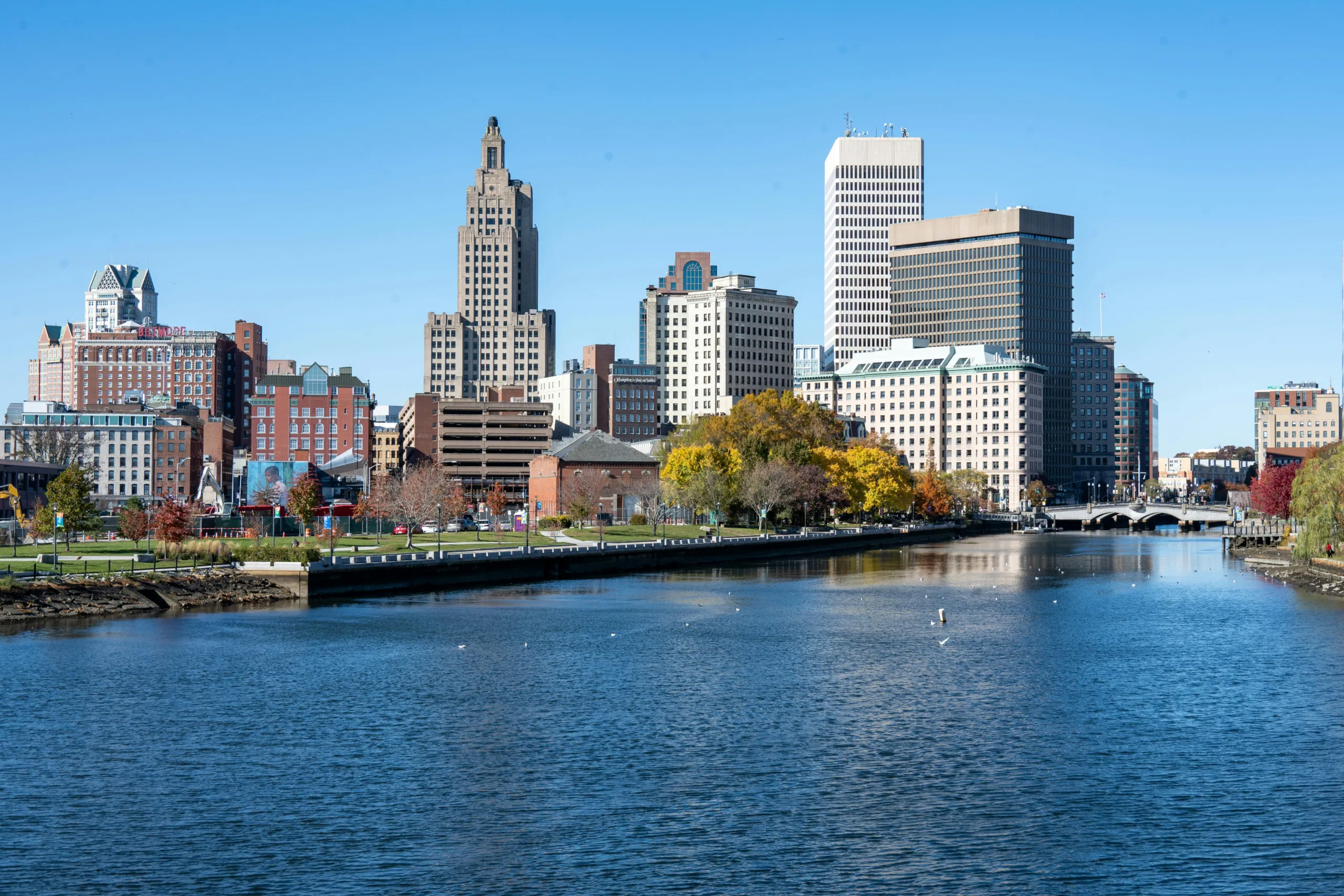
Multifamily Executive reports that Zillow’s latest rental market ranking points to a familiar story in multifamily housing: supply constraints are driving competition in legacy coastal markets while newly built Sun Belt inventory cools rent growth elsewhere. Providence, Rhode Island, claimed the top spot in Zillow’s summer 2026 hottest rental markets list, followed by New York and San Francisco.
The report highlights a widening divide between regions that added substantial multifamily supply during the recent apartment construction cycle and markets where development remained constrained. According to Zillow, renters in many Northeast and coastal California metros are facing rising rents, low vacancy rates, and fewer landlord concessions as demand continues to outpace available inventory.
Get Smarter about what matters in CRE
Stay ahead of trends in commercial real estate with CRE Daily – the free newsletter delivering everything you need to start your day in just 5-minutes
A Northeast Squeeze Takes Center Stage
Providence’s rise reflects broader housing pressures across the Northeast, where development pipelines have lagged population and employment demand for years. Zillow previously ranked Providence No. 4 among the nation’s hottest for-sale housing markets earlier in 2026, reinforcing the metro’s growing appeal to both renters and homebuyers.
The city’s rental market posted 5% annual rent growth, according to Zillow, pushing the typical monthly rent to $2,154. Property managers are offering concessions on just 12.9% of listings, the lowest share among the top 10 markets. That combination of rising rents and limited incentives signals landlords still hold substantial pricing power.
Hartford and Boston also landed in Zillow’s top 10, suggesting rental pressure is spreading beyond gateway cities into secondary Northeast metros where affordability gaps remain narrower than New York or Boston proper.
The Details
New York ranked second on Zillow’s list, continuing its post-pandemic rebound as one of the country’s most competitive rental markets. Zillow reported annual rent growth of 4.5%, with the typical monthly rent reaching $3,406.
Inventory conditions remain especially tight. According to StreetEasy data cited by Zillow, rental inventory across New York City’s five boroughs declined 7% year over year. Vacancy is forecast at 4.3%, while concessions sit at 17.8%, relatively low for such a large apartment market.
StreetEasy senior economist Kenny Lee attributed the pressure to years of underbuilding, particularly in Manhattan. While outer borough construction activity has increased in recent years, Lee noted that new deliveries have not meaningfully offset declining available inventory across the city.
San Francisco ranked third, underscoring the Bay Area’s continued recovery as tech-sector hiring stabilizes and office attendance improves. Zillow reported annual rent growth of 5.4%, the second-highest increase among the top markets, alongside a projected vacancy rate of 4.3%.
Unlike Providence and New York, however, San Francisco landlords are leaning more heavily on incentives. Zillow found 33.2% of property managers in the metro are offering concessions, indicating competition among landlords remains elevated despite stronger demand fundamentals.
The remaining top 10 markets included Los Angeles, Chicago, Milwaukee, Virginia Beach, and San Jose, blending high-cost coastal cities with more affordable Midwest metros experiencing tighter supply conditions.
A Tale of Two Apartment Markets
Zillow’s ranking also highlights how dramatically the national multifamily landscape has fragmented. Markets that absorbed record levels of apartment development during the past two years — particularly Austin, Phoenix, and Tampa — are now seeing slower rent growth and softer leasing conditions.
According to Zillow senior economist Kara Ng, the divergence largely stems from where developers concentrated new construction during the recent building cycle. The US added more new apartment units in 2024 than in any year over the past half-century, but much of that supply landed in the Sun Belt rather than the Northeast or coastal California.
That same supply imbalance is also reshaping other property sectors in older Northeast cities, where aging office buildings continue struggling to attract capital and tenants despite broader downtown redevelopment efforts.
That imbalance is now shaping landlord leverage. In high-growth Sun Belt metros, abundant new supply has pushed operators to offer concessions and moderate asking rents to maintain occupancy. Meanwhile, constrained markets with limited development pipelines continue seeing stronger pricing power.
The dynamic mirrors broader industry forecasts. CBRE’s 2026 multifamily outlook projected rent growth would accelerate in supply-constrained coastal metros as Sun Belt deliveries begin tapering off after peak construction years.
Why It Matters
For multifamily investors and operators, Zillow’s ranking reinforces where pricing power remains strongest in 2026. Markets with persistent housing shortages and limited entitlement pipelines are continuing to outperform despite broader affordability concerns.
The data also suggests institutional capital may increasingly target Northeast and coastal California assets where barriers to new supply support long-term rent growth. At the same time, operators in oversupplied Sun Belt markets may face longer lease-up periods and continued concession pressure through the remainder of the year.
For renters, the report signals little relief in some of the country’s most competitive urban markets. Low vacancy rates and shrinking inventory are reducing mobility and keeping existing tenants in place longer, further tightening available supply.
What’s Next
The apartment market’s next phase will likely depend on how quickly today’s construction slowdown filters into supply levels. Multifamily starts have declined sharply since interest rates rose in 2023, which could eventually tighten even currently oversupplied Sun Belt markets.
In the near term, however, Zillow expects competition to remain fiercest in metros where development has consistently lagged demand. Providence, New York, and San Francisco appear positioned to maintain strong landlord leverage heading into the second half of 2026 unless a meaningful wave of new housing inventory materializes.