





- FREIT approved a voluntary liquidation plan that will sell all assets and distribute proceeds to shareholders after liabilities are paid.
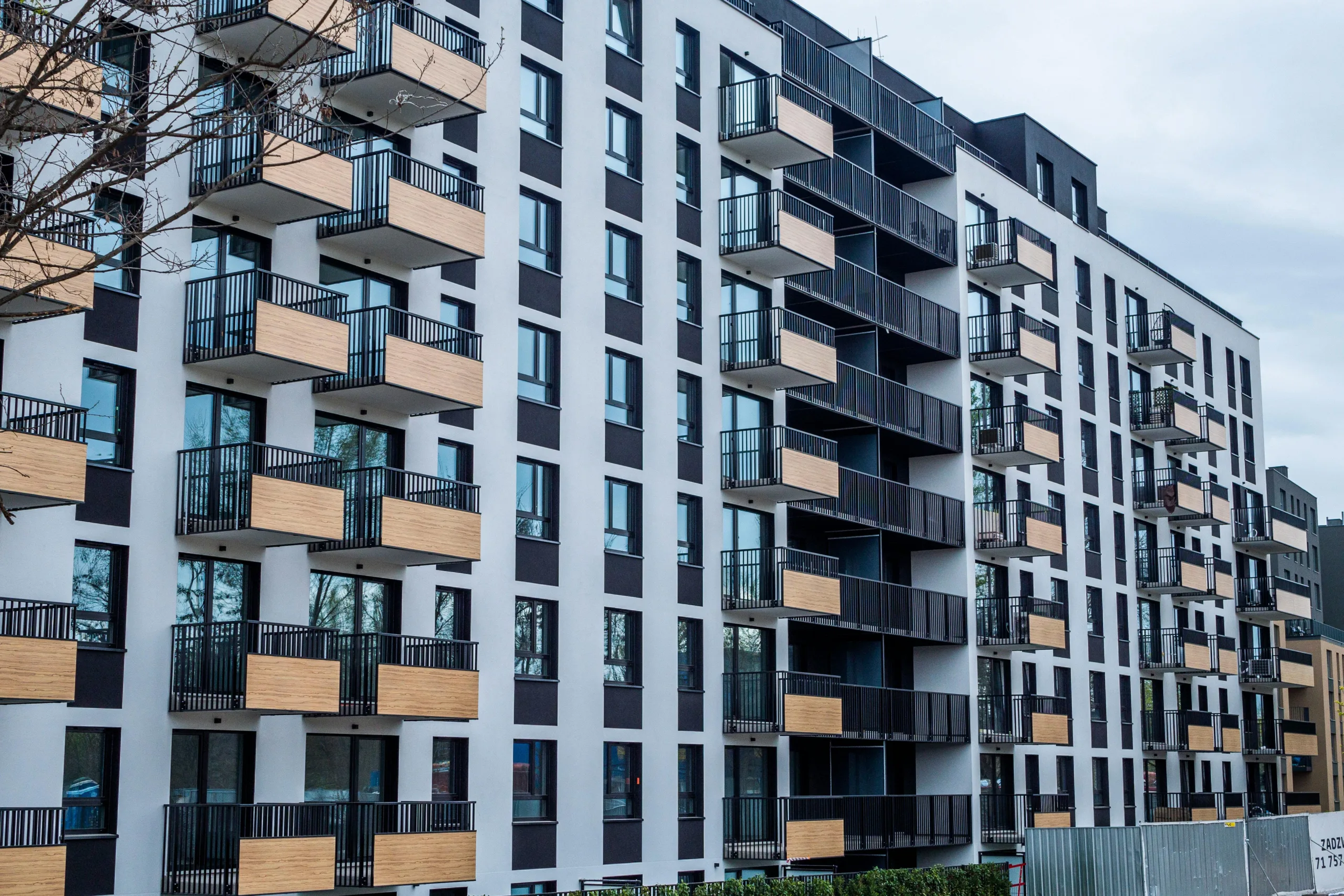
- The New Jersey-based REIT owns six apartment communities, five shopping centers, and development land, with estimated payouts well above its pre-announcement stock price.
- FREIT joins a growing list of public REITs pursuing liquidation or privatization as public market valuations lag private real estate pricing.
Bisnow reports that after nearly 65 years in operation, The First Real Estate Investment Trust of New Jersey (FREIT) is winding down its business and preparing to liquidate its portfolio. The company’s board unanimously approved a voluntary liquidation plan this week, marking the end of one of the country’s longest-running publicly traded real estate investment trusts.
The New Jersey-focused REIT plans to sell all remaining assets and distribute net proceeds to shareholders after liabilities are settled. Investors responded quickly to the announcement, sending FREIT’s stock sharply higher following the news.
Get Smarter about what matters in CRE
Stay ahead of trends in commercial real estate with CRE Daily – the free newsletter delivering everything you need to start your day in just 5-minutes
A Legacy Dating Back To 1961
FREIT launched in 1961, predating many of today’s institutional real estate platforms and surviving multiple market cycles, recessions, and interest-rate shocks. The company built a portfolio concentrated primarily in New Jersey multifamily and retail assets, maintaining a relatively small but steady footprint over decades.
CEO Robert Hekemian said in a statement that the company aimed to “return capital to stockholders in a favorable real estate environment” while closing out a long operating history. The liquidation plan still requires shareholder approval at a meeting expected this fall.
The Portfolio And Payout Details
FREIT currently owns six apartment communities, five shopping centers, three vacant land parcels in New Jersey, and The Regency Club residential property in Middletown, New York. One of its higher-profile assets is The Pierre, an 18-story luxury apartment tower in Hackensack.
The company estimates liquidation proceeds between $24.44 and $30.03 per share, substantially above FREIT’s $15.25 closing stock price on May 13, the day before the announcement. Shares climbed to roughly $23 by Friday morning following the news.
JLL will serve as financial adviser during the liquidation process and asset sales. FREIT also reported improved operating performance before announcing the wind-down, posting 2025 funds from operations of $7M, or $0.94 per share, compared to roughly $4.6M, or $0.61 per share, in 2024.
Public REIT Liquidation Trend Grows
FREIT is not alone in deciding that liquidation may unlock more value than remaining public. Several smaller REITs and public landlords have recently pursued asset sales, mergers, or take-private transactions as public market valuations continue to trail private market pricing.
Elme Communities, based in Bethesda, Maryland, announced liquidation plans in August 2025, though the company later reduced payout expectations amid softer economic conditions in the Washington, DC, region. Austin-based Stratus Properties also approved a liquidation plan in March 2026.
The broader REIT market continues to face pressure from elevated interest rates, cautious equity investors, and muted IPO activity. According to 2025 Nareit data, public REIT issuance and listing activity remained below pre-pandemic averages as private capital continued to dominate commercial real estate fundraising. That pressure is also spilling into credit markets, where rising distress forecasts in commercial mortgage-backed securities are adding another layer of uncertainty for public landlords trying to refinance or reposition assets.
Why Public Market Discounts Matter
For smaller REITs like FREIT, persistent discounts between public share prices and underlying real estate values can make liquidation more attractive than continuing operations. If shareholders can realize materially higher values through asset sales, boards increasingly face pressure to pursue strategic alternatives.
The trend also reflects how institutional capital has shifted. Large private equity firms, sovereign wealth funds, and private credit providers continue deploying capital into real estate even as public REIT stocks trade below net asset value in many sectors.
For investors, FREIT’s estimated payout range highlights the disconnect between public market sentiment and property-level valuations, particularly in stable multifamily-heavy portfolios.
What’s Next
FREIT shareholders are expected to vote on the liquidation plan later this year. If approved, the company will begin marketing and selling assets across its multifamily, retail, and land portfolio.
The timing of those sales could influence final shareholder returns, particularly if transaction markets strengthen during the process. Investors and REIT executives alike will also be watching whether more smaller public landlords follow FREIT’s path as valuation pressures persist across public real estate markets.