



- Hotel REITs and brands reported stronger-than-expected first-quarter performance, with urban markets posting meaningful RevPAR and EBITDA gains as business and group travel improved.
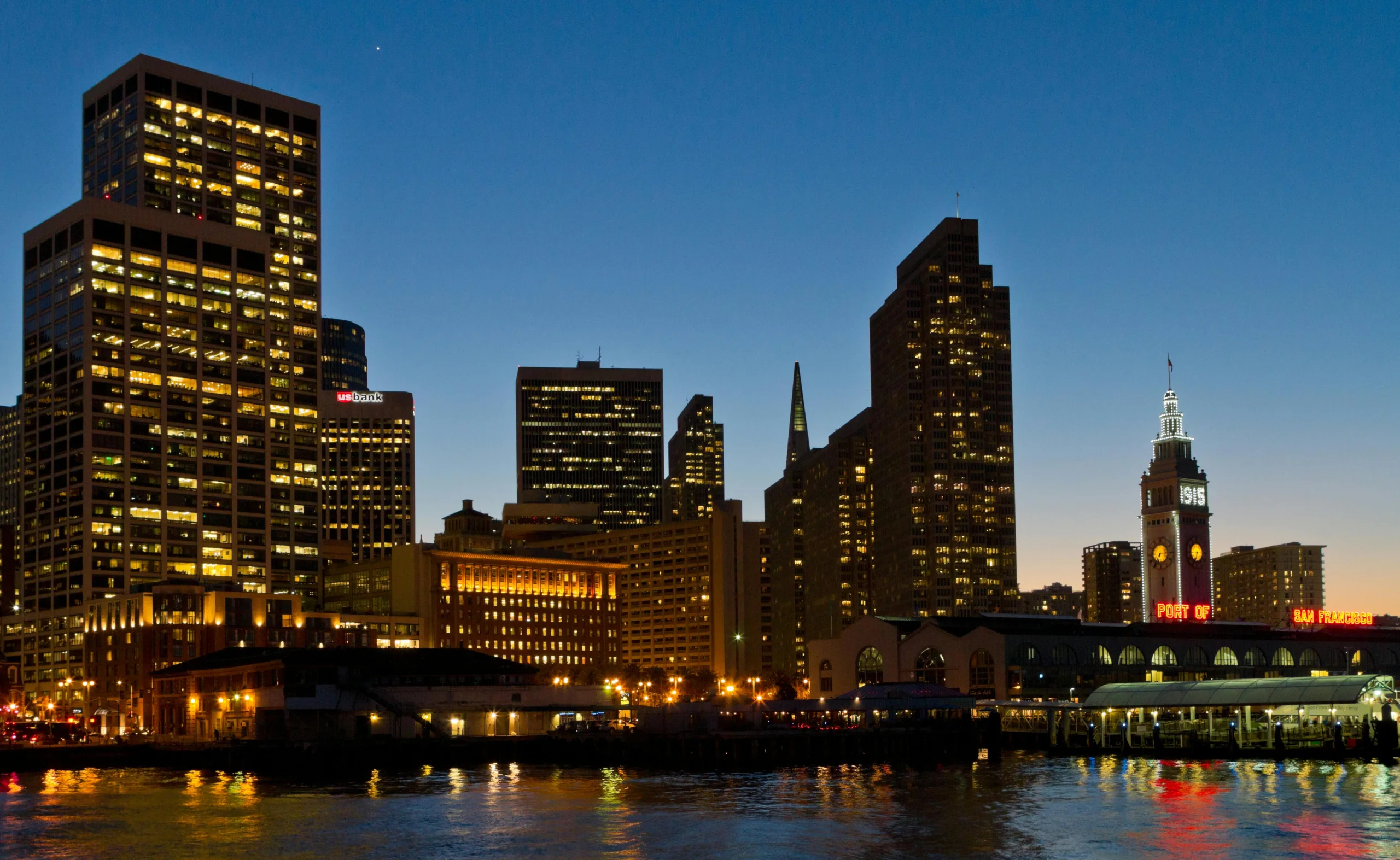
- San Francisco emerged as one of the strongest recovery stories, boosted by the Super Bowl, convention demand, and growing AI-related corporate travel activity.
- The rebound in urban lodging demand signals broader stabilization in corporate travel, while leisure-focused resort markets continue outperforming across several Sun Belt destinations.
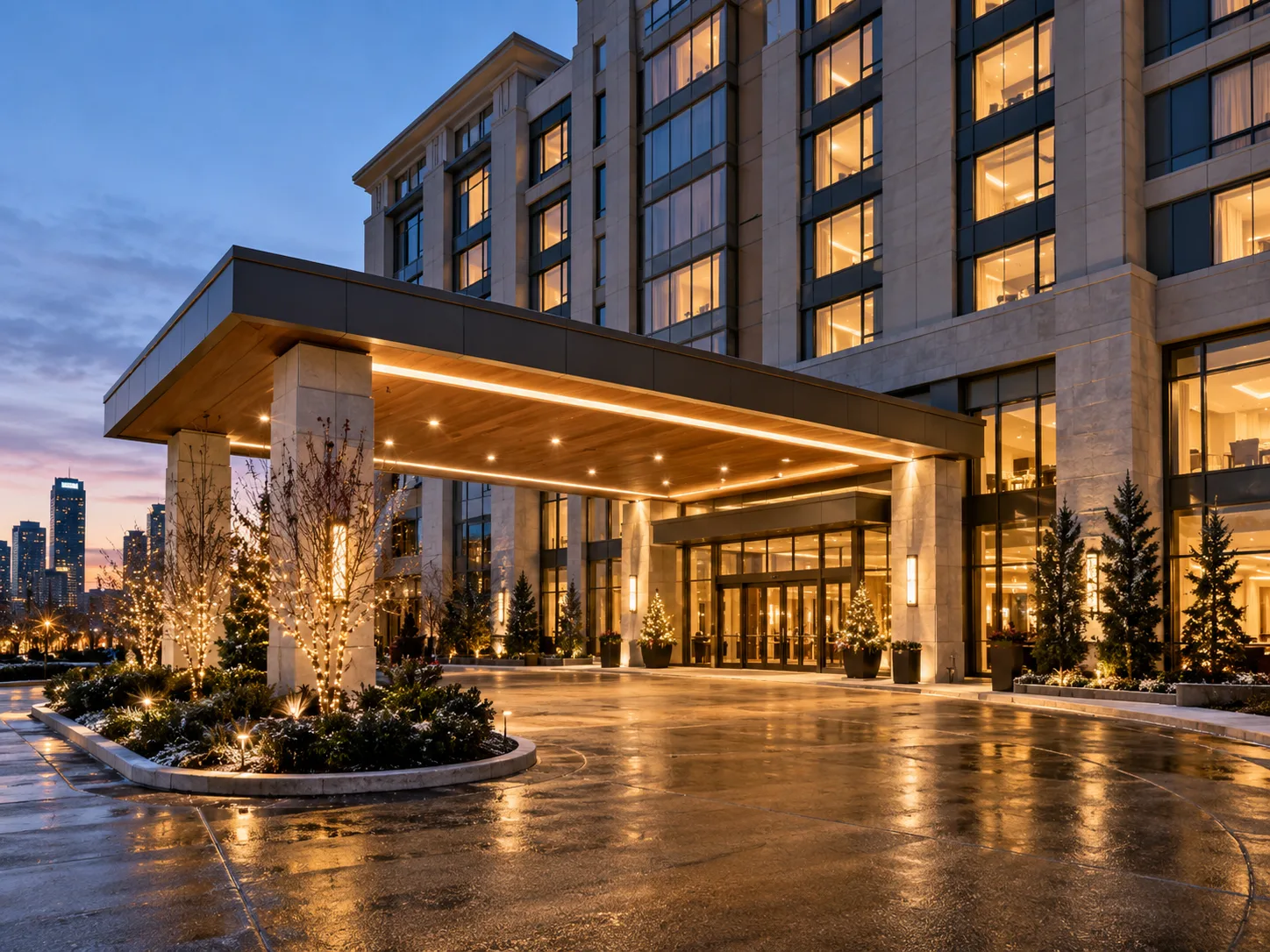
Hotel operators entered 2026 expecting a slower first quarter, but improving demand trends across urban and resort markets helped outperform forecasts, reports CoStar. Executives from major hotel brands and REITs pointed to a rebound in business transient travel, stronger group bookings, and resilient leisure demand as key drivers behind the quarter’s gains.
Urban hotel markets, in particular, showed renewed momentum after several uneven years tied to weaker office occupancy, reduced corporate travel, and shifting convention calendars. Markets including San Francisco, Los Angeles, New York, Chicago, and Seattle posted some of the strongest gains across portfolios.
Get Smarter about what matters in CRE
Stay ahead of trends in commercial real estate with CRE Daily – the free newsletter delivering everything you need to start your day in just 5-minutes
San Francisco’s Comeback Accelerates
San Francisco emerged as the clearest urban recovery story during earnings season. Host Hotels & Resorts reported 26% RevPAR growth and more than 70% EBITDA growth in the market during Q1, helped by the Super Bowl and continued convention recovery. Pebblebrook Hotel Trust posted even stronger numbers, with San Francisco RevPAR jumping 44.5% year over year while hotel EBITDA more than tripled.
Operators said the city’s recovery extended beyond one-time events. RLJ Lodging Trust credited expanding AI-sector investment and related corporate travel for helping Northern California markets achieve 27% RevPAR growth. Summit Hotel Properties also cited San Francisco among its top-performing urban markets in March as negotiated business travel accelerated. Convention demand has also strengthened considerably this year, with major citywide events helping push hotel bookings sharply higher across the market.
The improving backdrop marks a notable shift for a market that struggled with office vacancies, reduced convention activity, and public safety concerns throughout much of the post-pandemic recovery.
Business Travel Fuels Urban Demand
Hotel executives consistently pointed to business transient demand as a major contributor to first-quarter gains. RLJ Lodging Trust reported business transient revenue growth of 9%, driven primarily by rising room-night demand. Summit Hotel Properties said RevPAR growth in its negotiated corporate segment accelerated to 10% in March.
Several operators tied that momentum to AI-related investment activity and stronger corporate profits. Markets with significant technology, infrastructure, healthcare, and industrial exposure benefited the most.
Wyndham Hotels & Resorts said its Midwest and infrastructure-heavy markets posted 8% RevPAR growth, with oil-and-gas-related markets improving by 400 basis points sequentially. Texas alone swung from steep declines in late 2025 to 2% RevPAR growth in Q1 across Wyndham’s 700-hotel Texas portfolio.
Seattle also benefited from the return of Boeing production activity and nearby shipyard projects, according to Apple Hospitality REIT, which reported 18% RevPAR growth in the market.
Resort Markets Remain a Bright Spot
While urban markets improved, resort-heavy portfolios continued delivering some of the strongest overall performance. Host Hotels & Resorts cited strong leisure demand across Florida and Phoenix resorts, while Sunstone Hotel Investors reported more than 18% RevPAR growth across its resort portfolio.
Wine country destinations stood out as particularly strong performers. Sunstone said its Napa-area resorts posted 34% RevPAR growth, driven by both group and transient demand.
Executives also noted that geopolitical uncertainty may be keeping more luxury travelers within the US. Host Hotels said travelers increasingly favored domestic luxury resort destinations over international travel during the quarter.
Hawaii showed more modest growth after weather disruptions. Host Hotels reported Maui RevPAR growth of 1.5% after March storms temporarily impacted demand, though executives said bookings recovered quickly afterward.
Some Urban Markets Still Face Headwinds
Not every city participated equally in the rebound. Washington, D.C., remained one of the weakest-performing urban markets due to difficult comparisons against the 2025 presidential inauguration and softer government-related travel demand.
Pebblebrook reported D.C. RevPAR declined 24.1% in Q1, though executives said trends improved later in the quarter. Boston also underperformed due to winter storms, lighter convention calendars, and ongoing hotel renovations.
Weather disruptions created broader operational challenges across multiple portfolios. Summit Hotel Properties estimated winter storms and civil unrest reduced first-quarter RevPAR growth by roughly 140 basis points.
Even so, most operators expect urban performance to strengthen through the remainder of 2026 as convention calendars improve and corporate travel continues recovering.
Why It Matters
The first-quarter earnings season reinforced that business travel recovery remains uneven but increasingly durable. Urban hotel markets tied to technology, healthcare, industrial investment, and large-scale events are recovering faster than gateway cities reliant on government or international travel.
The rebound also highlights how AI-related corporate spending is beginning to influence lodging demand patterns, particularly in Northern California and major tech hubs. According to executives across multiple public hotel companies, improving negotiated-rate business and convention activity are helping offset broader macroeconomic uncertainty.
For hotel investors, the results suggest urban assets may finally be entering a more sustained recovery phase after lagging resort-heavy portfolios for several years.
What’s Next
Hotel operators expect stronger urban performance through the balance of 2026 as convention calendars normalize and business travel comparisons ease. Several executives also pointed to improving group booking pace and midweek occupancy trends heading into summer and fall.
San Francisco will remain a closely watched market as investors evaluate whether AI-driven business demand can support longer-term lodging recovery. Meanwhile, operators with heavy exposure to infrastructure, industrial, and Sun Belt markets are likely to continue benefiting from resilient domestic travel demand and corporate investment activity.