






- CRE investment sales totaled $112.6B in Q1 2026, marking an 18% year-over-year increase and the strongest quarterly volume since 2022, according to Avison Young.
- Office and industrial properties led the rebound, with office sales jumping 38.6% and industrial sales rising 27.3% as investors targeted discounted assets and logistics demand.
- Avison Young projects annual investment sales could approach $590B if the Federal Reserve cuts rates twice in 2026, though inflation and lending conditions remain key risks.
US commercial real estate investment sales regained momentum in the first quarter as buyers returned to the market after two years of elevated borrowing costs and muted deal activity, reports Globe St. According to Avison Young’s Q1 2026 investment sales report, transaction volume climbed to $112.6B through March, up 18% year over year and roughly in line with quarterly levels last seen in 2017 and 2018.
Transaction activity also increased on a deal-count basis. Avison Young recorded roughly 6,800 transactions in Q1, a 7.7% increase from the same period in 2025, while average cap rates compressed slightly to 6.44%.
Get Smarter about what matters in CRE
Stay ahead of trends in commercial real estate with CRE Daily – the free newsletter delivering everything you need to start your day in just 5-minutes
A Market Finding Its Footing
Avison Young framed the quarter as an early sign that the CRE transaction market is stabilizing after a prolonged repricing cycle. The firm noted that investors with available capital are moving ahead of broader market recovery expectations, particularly as pricing gaps between buyers and sellers begin to narrow.
Still, the rebound depends heavily on monetary policy. Avison Young’s forecast for full-year 2026 investment sales — between $585B and $590B — assumes the Federal Reserve delivers two rate cuts before year-end. That outlook remains uncertain as some Fed officials continue warning about persistent inflation and the possibility of keeping rates elevated longer than expected.
The Details
Office and industrial assets drove much of the quarter’s growth. Office investment sales rose 38.6% year over year to $20.5B across 1,159 deals, while average cap rates compressed 35 basis points to 7.35%. Investors continue targeting discounted office assets in gateway markets where pricing has reset significantly from pre-pandemic peaks.
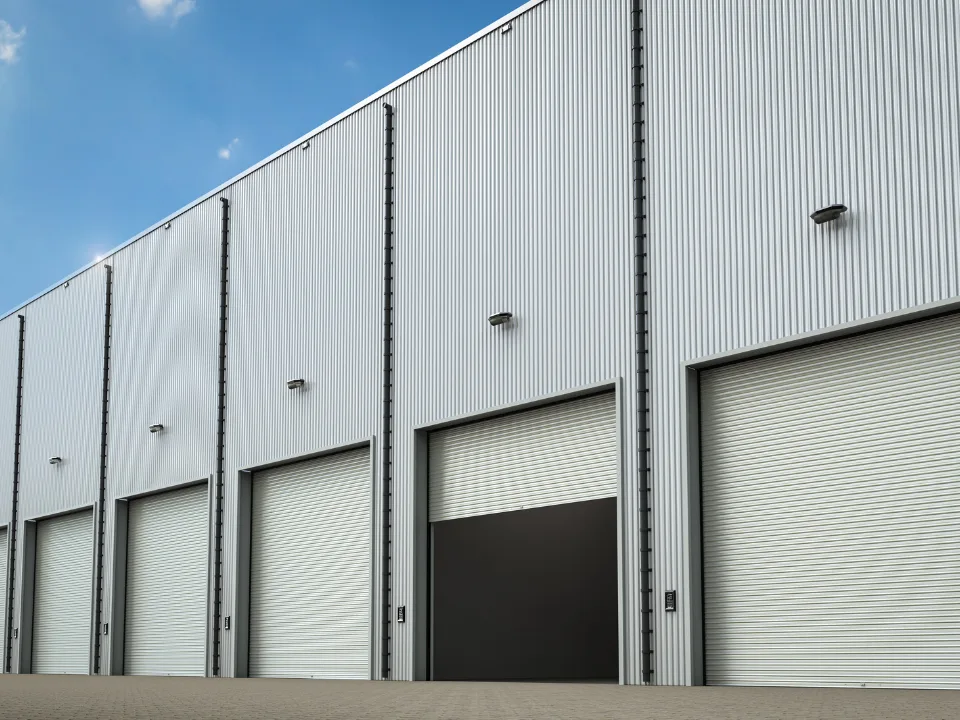
Industrial sales climbed 27.3% to $31.1B across 2,124 transactions, supported by continued e-commerce demand despite growing concerns around trade policy uncertainty. Average industrial cap rates increased 34 basis points to 6.70%, reflecting ongoing pricing adjustments in the sector.
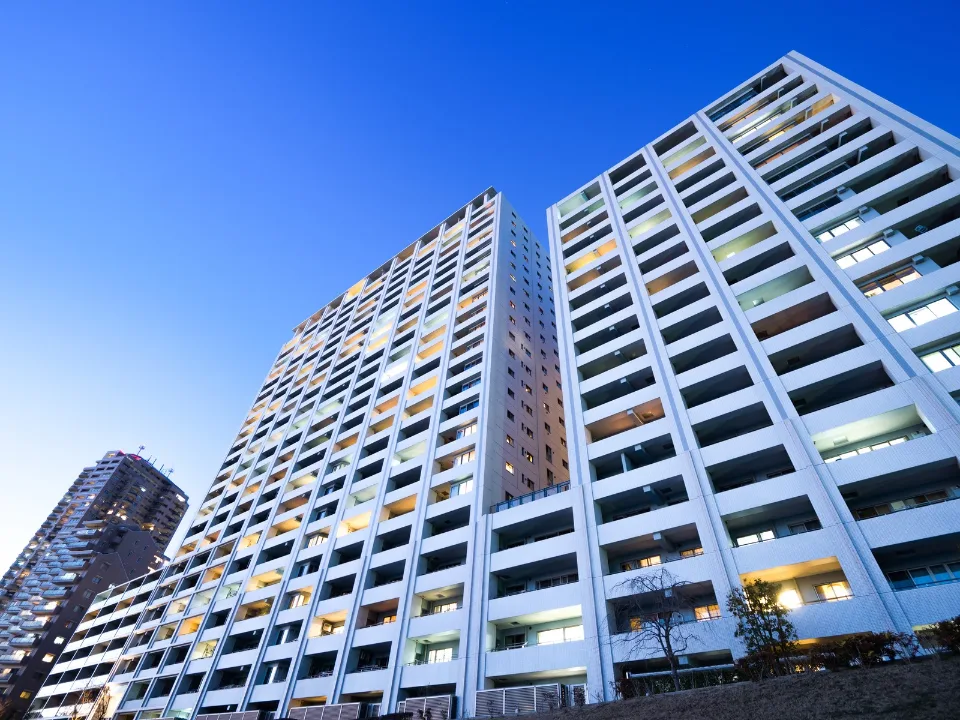
Multifamily remained the largest property category by dollar volume at $32.1B, though growth slowed considerably. Sales increased just 0.5% year over year as Sun Belt oversupply pressures weighed on pricing in several high-growth markets. Average apartment cap rates rose 31 basis points to 6.03%.
Retail sales reached $17.8B, up 2.8% from Q1 2025, even as transaction counts declined more than 9%. Avison Young cited strong grocery and necessity-based retail anchors as a stabilizing factor amid weaker consumer sentiment.
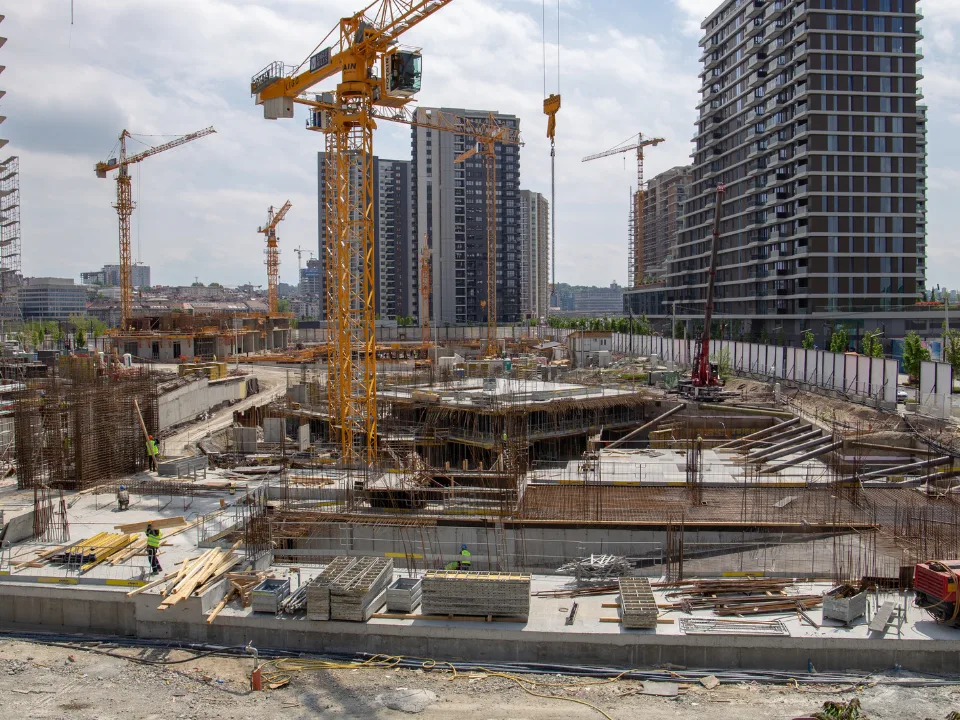
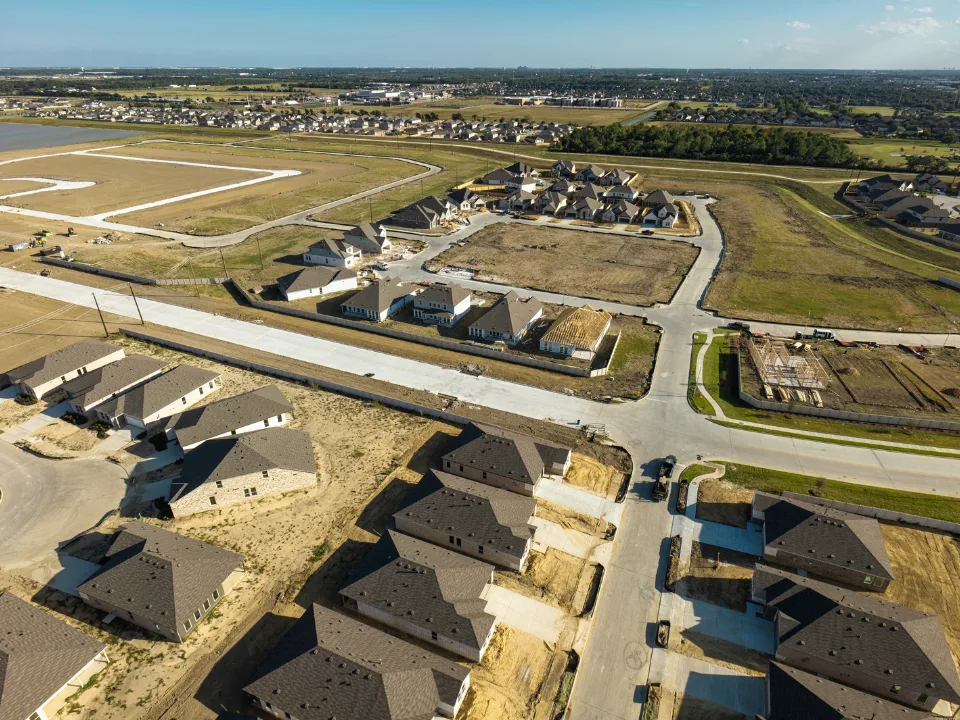
Development land sales posted the largest percentage increase, rising 55% to $11.1B, though transaction counts fell 8.1%. Data center demand continued attracting capital despite tighter construction financing conditions.
Gateway Markets Lead The Recovery
Major coastal and Sun Belt metros accounted for a significant share of transaction activity. New York Metro led all markets with $8.7B in sales volume across 494 transactions, followed by Los Angeles at $7.59B and the San Francisco Bay Area at $6.15B.
Dallas-Fort Worth, South Florida, Atlanta, Phoenix, and Charlotte also posted strong activity, reinforcing investor preference for high-growth Sun Belt markets with population and employment tailwinds. Washington, DC, Chicago, Boston, and Denver rounded out the most active metros tracked in the report.
Why It Matters
The Q1 rebound suggests institutional investors are becoming more comfortable underwriting deals in a higher-rate environment after nearly two years of stalled price discovery. Per Avison Young, transaction activity is now approaching pre-pandemic norms even as financing costs remain elevated. That recovery is especially visible in Manhattan, where investment activity is accelerating after several years of muted office and multifamily sales.
The improvement also reflects growing pressure to deploy capital. Many private equity firms and institutional investors raised significant dry powder during the market slowdown and now face mounting pressure to transact as valuations stabilize across several asset classes.
What’s Next
The trajectory of CRE investment sales will likely depend on interest rates, credit availability, and broader economic conditions through the second half of 2026. If borrowing costs ease and lenders reopen the capital spigot, transaction volume could continue accelerating into 2027.
Office pricing and refinancing activity will remain closely watched, particularly as distressed assets continue entering the market. Industrial and data center demand are also expected to remain key drivers of investment activity, especially among institutional buyers pursuing long-term growth sectors.