






- San Francisco apartment rents rose 7.7% year over year in April, the strongest annual growth rate among major US metros, according to Apartments.com.
- Tech-driven submarkets like South of Market and Mission Bay led gains, with luxury apartment buildings outperforming older inventory amid tight vacancy.
- Limited multifamily construction and sustained AI-related hiring are expected to keep upward pressure on rents through the rest of 2026.
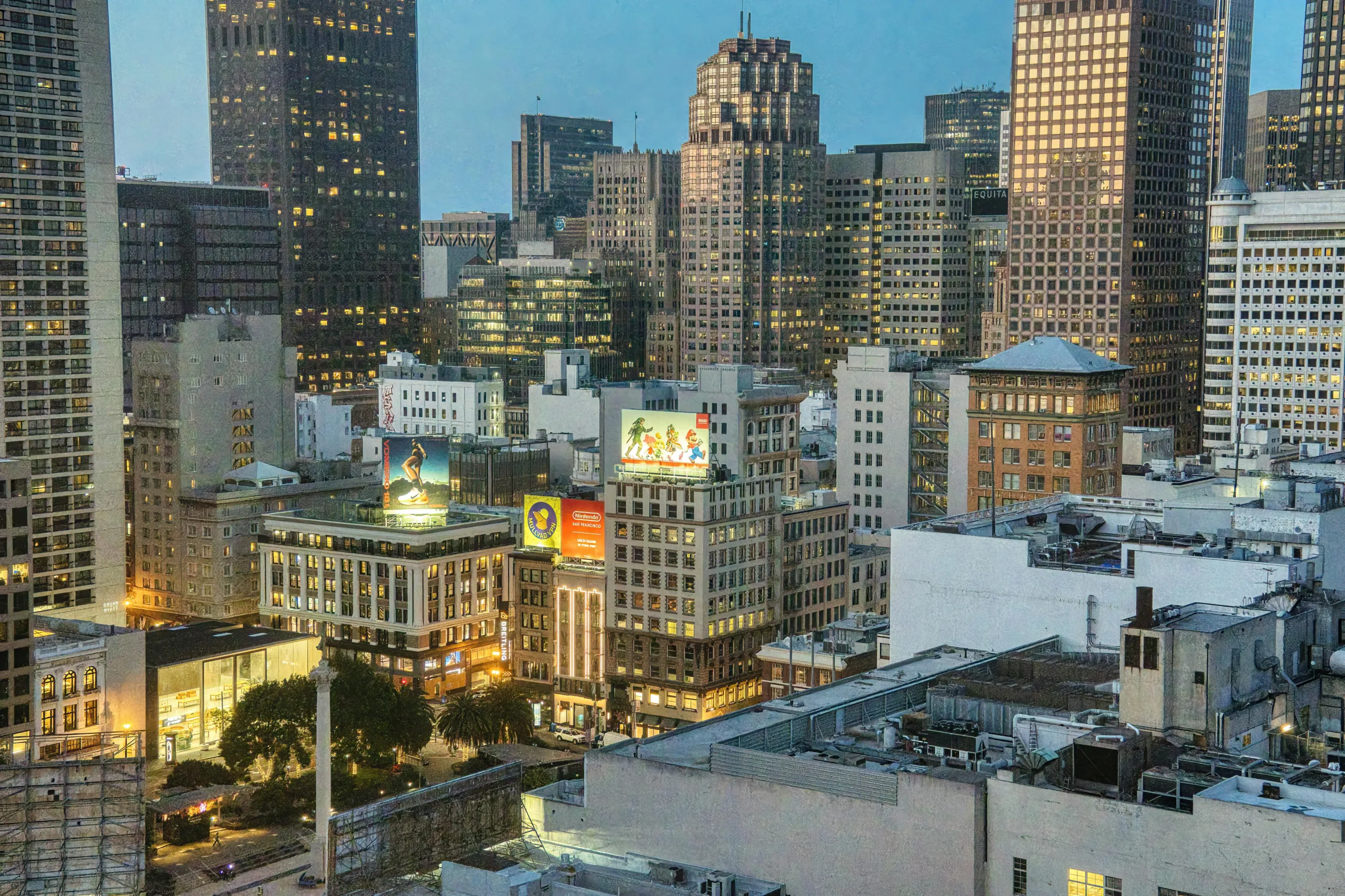
San Francisco’s apartment market is extending one of the sharpest recoveries in the country, with rents posting their strongest gains in 20 years as tech hiring accelerates and new supply remains constrained. According to a May 2026 report from Apartments.com, asking rents in the city climbed more than 1% month over month in April and are now up 7.7% annually.
The rebound marks a dramatic shift from the early 2020s, when remote work and outmigration pressured occupancy and pricing across the Bay Area. Globe St reports that today, San Francisco has become the nation’s most competitive multifamily market, supported by AI expansion, limited housing development, and a persistent shortage of high-end rental inventory.
Get Smarter about what matters in CRE
Stay ahead of trends in commercial real estate with CRE Daily – the free newsletter delivering everything you need to start your day in just 5-minutes
AI Hiring Reshapes the Rental Map
Apartments.com and CoStar Group point to artificial intelligence hiring as a major driver behind the city’s rent acceleration. Nigel Hughes, senior director of market analytics at CoStar Group and Apartments.com, said rent growth has been strongest in neighborhoods closest to major tech employment hubs.
South of Market posted annual rent growth of 19.2%, while Mission Bay/China Basin recorded gains of 15.8%. Both submarkets continue attracting renters tied to AI startups and established technology firms expanding office footprints in San Francisco.
Other neighborhoods, including Richmond/Western Addition, Downtown San Francisco, and Civic Center/Tenderloin, each reported annual growth above 7.5%. Outer neighborhoods and nearby San Mateo County saw slower, though still positive, increases.
The Details
Average asking rents across San Francisco now sit at roughly $3,510 per month, according to Apartments.com. That figure is nearly double the national average of approximately $1,780.
Luxury properties continue outperforming the broader market, with four- and five-star apartment buildings generating the strongest pricing power and occupancy gains. Renters are gravitating toward newer buildings with upgraded amenities, particularly in transit-oriented neighborhoods close to major employers.
At the same time, multifamily construction remains muted. Most recent deliveries and active developments are concentrated south of San Francisco proper. Newly completed projects like Revery in Burlingame, a 311-unit mid-rise property, are reportedly achieving asking rents above $5,200 per month while maintaining occupancy near 65%.
Developers are also betting on sustained demand. Projects under construction include the 543-unit development at 7 S. Linden Ave. and the 520-unit Colton project at 1401 Broadway, both expected to deliver into a supply-constrained market.
A Supply Crunch Returns to Center Stage
San Francisco’s latest rent surge reflects a broader imbalance between housing supply and demand that has defined the market for years. High development costs, strict entitlement processes, and limited available land continue to restrict apartment production.
According to CoStar data cited by Apartments.com, vacancy rates are hovering near decade lows as absorption continues to outpace deliveries. That dynamic sharply contrasts with many Sun Belt markets, where heavy multifamily construction has softened rent growth.
The city’s rebound also signals a partial reversal of pandemic-era assumptions about urban office and residential demand. As AI companies lease office space and recruit workers back into San Francisco, apartment demand appears to be following. That hiring wave has also helped fuel stronger office leasing activity in San Francisco and New York, particularly among firms competing for AI talent and expansion space.
Why It Matters
San Francisco’s rent growth has implications well beyond the multifamily sector. Rising housing costs could increase pressure on employers competing for talent while reinforcing affordability concerns for local policymakers.
For apartment owners and investors, however, the market’s fundamentals have strengthened significantly. Tight vacancy, limited new deliveries, and sustained tech-sector hiring are restoring landlord pricing power after several years of volatility.
The recovery may also influence capital flows into Bay Area multifamily assets, particularly Class A properties in tech-centric submarkets. Investors who paused acquisitions during the market’s post-pandemic slowdown are now re-evaluating San Francisco as fundamentals improve.
What’s Next
Apartments.com expects favorable apartment market conditions to continue through the remainder of 2026. Demand is projected to outpace deliveries, keeping vacancy low and supporting additional rent growth.
Construction activity may gradually increase, but analysts do not expect enough new supply to materially ease pricing pressure in the near term. Higher-end, transit-oriented neighborhoods tied to tech employment are likely to remain the strongest-performing segments of the market as AI expansion continues reshaping San Francisco’s economy.