



- NYSCRF committed $900M across four real estate investment vehicles, with the largest allocations going to GID Multifamily Investment Management and Blue Owl Capital.
- The commitments targeted a mix of class B multifamily, value-add mixed-use, and net-leased industrial, office, and retail assets across the US.
- The allocations highlight continued institutional appetite for private real estate strategies despite slower fundraising and ongoing valuation pressure across CRE markets.
IREI reports that the New York State Common Retirement Fund (NYSCRF) committed $900M to several real estate investment vehicles in March, according to newly released meeting materials. The commitments spanned multifamily, mixed-use, and net lease strategies, underscoring how large pensions continue deploying capital into private CRE despite ongoing market uncertainty.
NYSCRF, one of the largest public pension systems in the US, managed $297.8B in total assets as of Dec. 31, 2025. The fund maintained a 12% target allocation to real estate, representing roughly $40B in property-related investments.
Get Smarter About What Matters in New York
Subscribe to our free newsletter covering the biggest commercial real estate stories across the five boroughs — delivered in just 5 minutes.
A Broad Real Estate Allocation Strategy
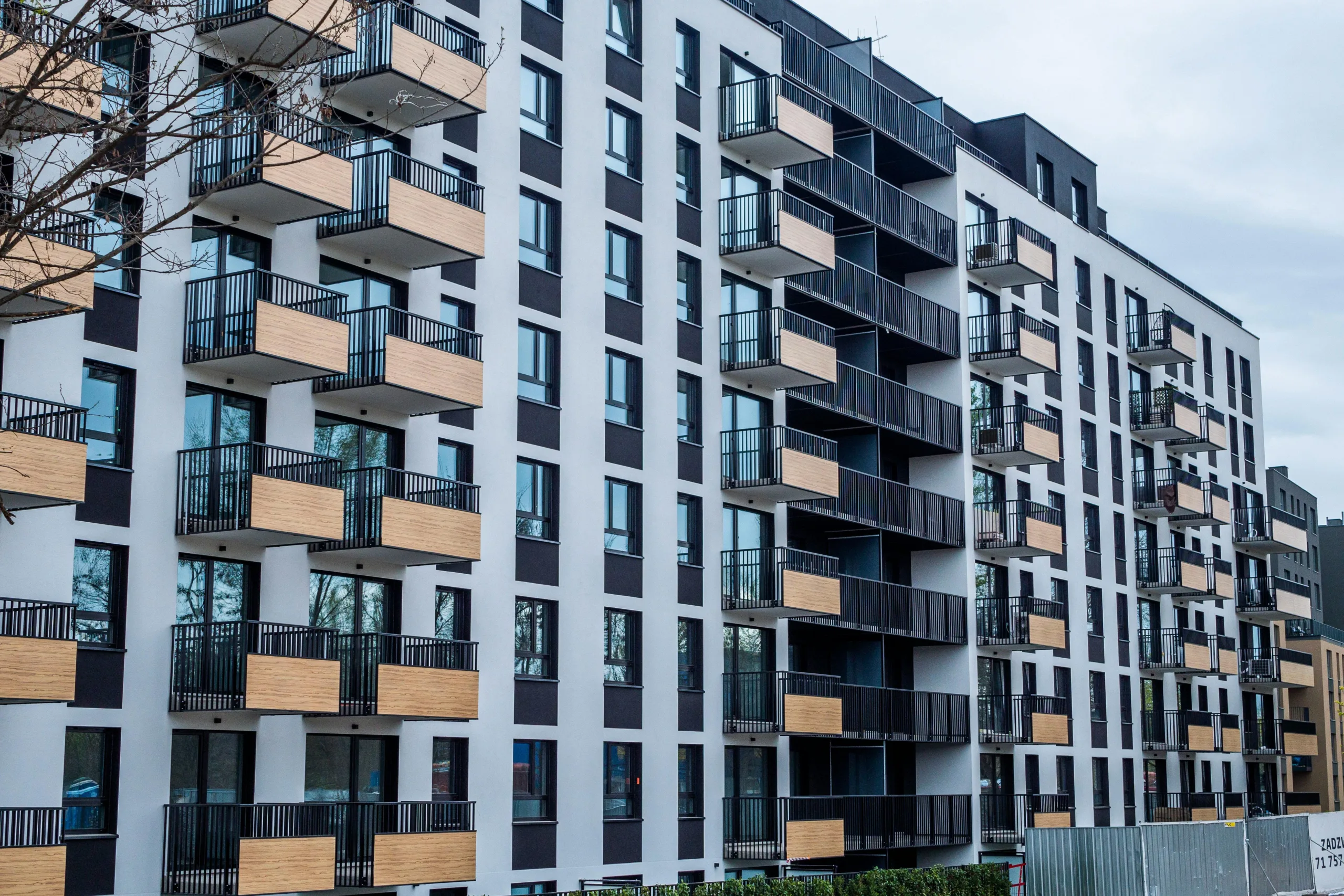
The largest single commitment went to GID Mainstay In-Kind Fund, managed by GID Multifamily Investment Management, which secured $300M from NYSCRF. The open-end vehicle focuses on class B multifamily properties across the US, targeting workforce housing and middle-market apartment demand.
Asana Partners Fund IV received a $200M allocation. The closed-end strategy is raising $1.5B to invest in value-add neighborhood centers and mixed-use properties in urban and urban-adjacent markets nationwide. Its predecessor fund, Asana Partners III, closed in 2022 with $1.5B in equity commitments.
Blue Owl Capital secured the remaining $400M across two vehicles. NYSCRF committed $300M to Blue Owl Real Estate Fund VII and another $100M to Blue Owl Real Estate Co-Invest, a sidecar vehicle tied to the broader strategy.
The Details
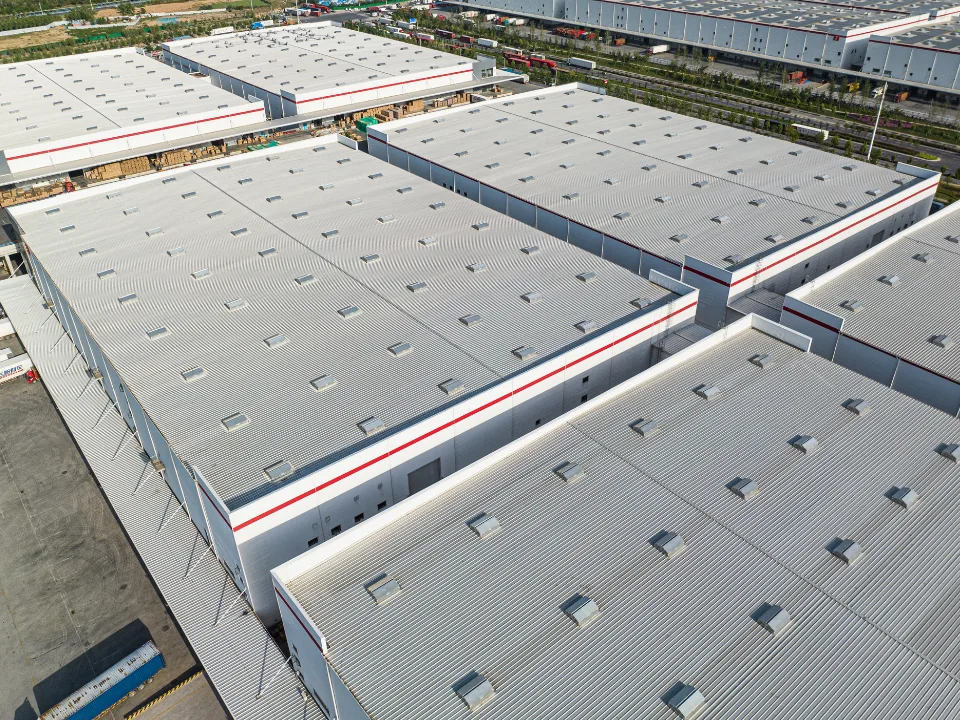
Blue Owl Real Estate Fund VII targets net-leased industrial, office, and retail properties across the US. The strategy follows Blue Owl Real Estate Fund VI, which raised $5.1B after surpassing its initial $5B fundraising target.
The GID allocation reflects growing institutional demand for multifamily housing, especially workforce and stabilized assets. Class B apartments have posted stronger occupancy and rent growth than luxury units during this cycle. CBRE and JLL highlighted the trend in several 2025 multifamily reports.
Meanwhile, Asana continues targeting urban mixed-use and neighborhood retail properties. Investors still favor experiential retail centers over traditional enclosed malls after the pandemic.
Institutional Capital Keeps Flowing
The commitments come as private real estate fundraising remains uneven across the broader market. Global real estate fundraising fell in 2025 compared to prior cycle peaks, according to MSCI and PERE data, as higher interest rates and valuation resets slowed transaction activity.
Still, large pensions continue selectively backing operators with established track records and specialized strategies. Multifamily and net lease assets have remained especially attractive because of relatively stable income streams and long-duration cash flow profiles. That cautious approach aligns with broader institutional sentiment heading into 2026, as many investors pull back from traditional CRE acquisitions while prioritizing defensive sectors and income-focused strategies.
NYSCRF’s allocations also reflect a broader trend among institutional investors toward diversification within real estate portfolios. Rather than concentrating solely on core office or gateway-city assets, pensions increasingly spread capital across housing, mixed-use, and operationally resilient property types.
Why It Matters
For fund managers, large public pension commitments remain critical as fundraising timelines stretch longer and institutional LPs become more selective. A single nine-figure allocation from a pension like NYSCRF can anchor a fundraise and signal confidence to other investors.
For the broader CRE market, the commitments suggest institutional capital has not pulled back from private real estate altogether—it is simply flowing toward sectors viewed as more durable in a higher-rate environment.
What’s Next
Investors will likely continue favoring multifamily, net lease, and operationally focused strategies through 2026 as interest rates stabilize and transaction activity gradually rebounds. Pension funds are also expected to revisit allocation targets as property valuations reset and fundraising opportunities improve.
Managers with proven operating platforms and differentiated sector exposure may continue capturing an outsized share of institutional capital while weaker-performing strategies struggle to raise new equity.