




- Related Companies and Oxford Properties have fully occupied the office component of Hudson Yards, ending a 15-year leasing push for the Manhattan megadevelopment.
- Major tenants including Meta, BlackRock, KKR, and Tapestry helped cement Hudson Yards as one of New York’s top trophy office districts alongside Manhattan West and the Penn District.
- The milestone reinforces demand for premium office space in Manhattan even as developers face political scrutiny, rising costs, and uncertainty around future tax policy.
CoStar reports that Hudson Yards has officially filled its office portfolio, a milestone for the 28-acre megadevelopment that reshaped Manhattan’s far West Side over the past decade and a half. Related Companies CEO Jeff Blau announced this week that the project’s office space is now 100% occupied, despite pandemic-era uncertainty that rattled the broader office market.
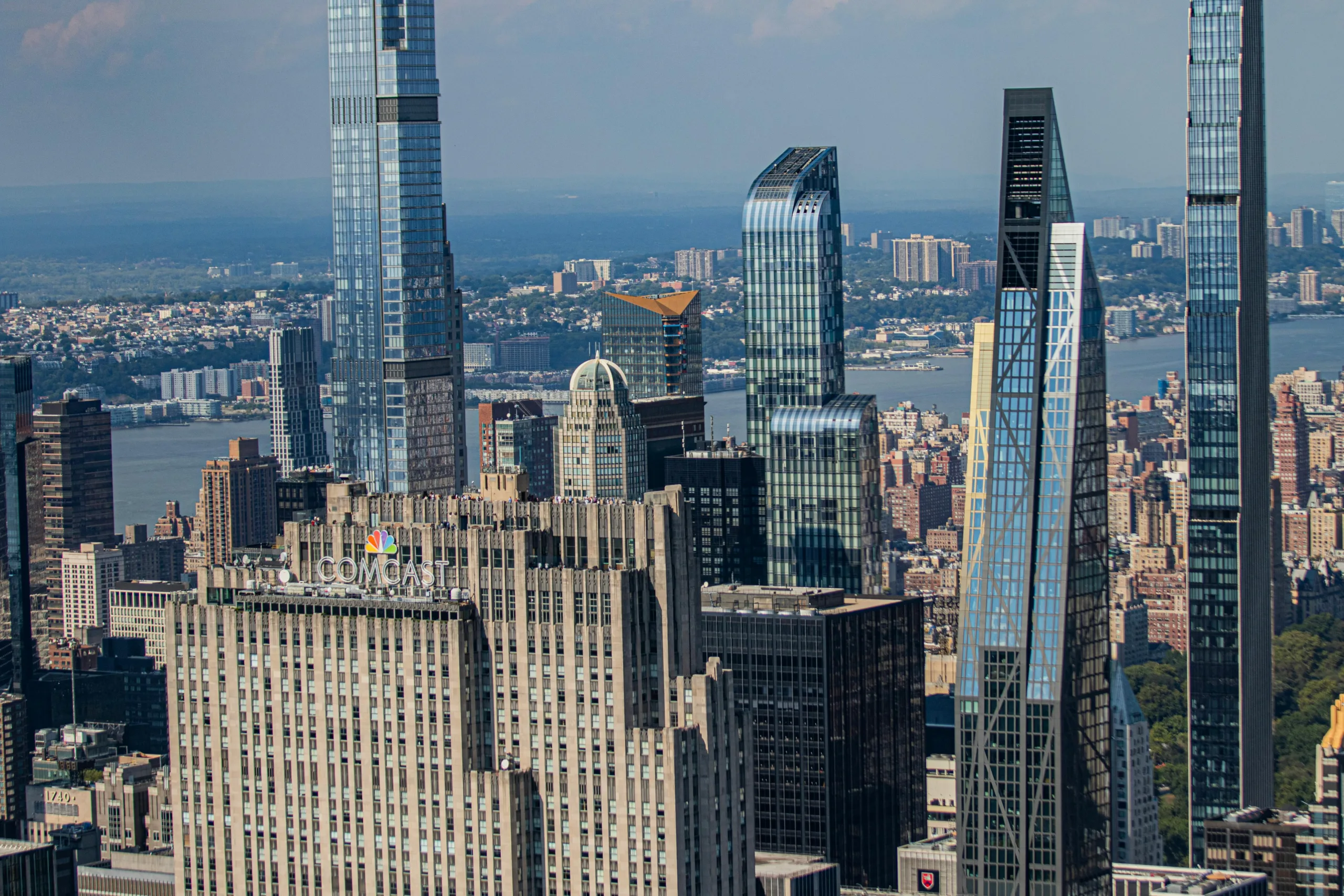
The fully leased campus includes 10 Hudson Yards, 30 Hudson Yards, 50 Hudson Yards, and 55 Hudson Yards, which collectively house some of the world’s largest financial, tech, and consumer brands. The development, built by Related and Oxford Properties, ranks as the largest private real estate project in US history.
Get Smarter About What Matters in New York
Subscribe to our free newsletter covering the biggest commercial real estate stories across the five boroughs — delivered in just 5 minutes.
From Rail Yards to Trophy District
When Related first pitched Hudson Yards roughly 15 years ago, many corporate tenants questioned whether companies would relocate so far west in Manhattan. Blau said at The Real Deal’s NYC Real Estate Forum that executives initially viewed the location as disconnected from the city’s traditional office core.
That skepticism faded as Hudson Yards emerged into one of Manhattan’s premier office hubs. The district now competes directly with Brookfield Properties’ Manhattan West and Vornado Realty Trust’s Penn District as a magnet for companies seeking high-end office space with modern amenities and transit access.
The Leasing Roster
Hudson Yards attracted a blue-chip tenant mix that includes Meta, BlackRock, KKR, and Tapestry. Beyond office towers, the mixed-use campus also features luxury residences, the Shops at Hudson Yards, the Equinox Hotel, and the Vessel public art structure.
The project’s office success comes as Manhattan continues outperforming many major US office markets in post-pandemic recovery. According to CBRE’s Q1 2026 Manhattan office report, trophy assets continue commanding premium rents while older commodity office buildings struggle with elevated vacancy.
Related is still expanding its Manhattan office footprint. The company is developing 70 Hudson Yards, where Deloitte plans to relocate its North American headquarters. A Related spokesperson told CoStar News the tower is already about 60% leased. The firm is also moving ahead with a new office development at 625 Madison Ave.
Manhattan’s Flight to Quality Continues
Hudson Yards’ full occupancy reflects a broader shift toward top-tier office buildings as companies prioritize employee experience and talent retention. New York landlords with newer construction, large floor plates, and hospitality-style amenities have captured a disproportionate share of leasing demand since 2021.
That trend has widened the gap between trophy and commodity assets. Per Savills’ 2025 Manhattan office market data, premium buildings continue achieving near-record asking rents even while older Class B inventory faces pressure from downsizing and hybrid work patterns.
Blau framed New York’s office market as resilient despite lingering concerns around taxes, regulation, and business costs. His comments came amid debate over policies proposed by New York City leaders that some executives argue could push companies or wealthy residents elsewhere.
Why It Matters
Hudson Yards reaching full occupancy is a symbolic win for both Manhattan office landlords and large-scale urban development projects. The milestone suggests that demand for highly amenitized, transit-oriented office campuses remains durable even after years of remote-work disruption.
The project also reinforces how uneven the office recovery has become. Capital and tenants continue flowing toward a relatively small group of elite buildings, while aging office inventory across US cities faces refinancing pressure and declining valuations.
What’s Next
Related is now focused on Hudson Yards’ second phase, which includes housing, public open space, and another office tower west of the existing campus. The expansion depends on a $2B city-backed financing plan approved by the New York City Council to build a platform over active rail yards.
The next phase also follows a wave of leasing momentum across the district, including a major headquarters commitment from Deloitte that helped reinforce Hudson Yards’ standing as one of Manhattan’s strongest post-pandemic office markets.
The developer abandoned its pursuit of a downstate casino license in 2025, clearing the way for the next phase to move forward. As construction progresses, Hudson Yards will remain a closely watched indicator of whether trophy office demand can continue supporting large-scale development in New York.