








- Wichita is positioning itself as a middle-class migration hub by pairing below-average housing costs with growing healthcare and manufacturing employment.
- Developers are rapidly building duplex communities across the metro as rising construction costs make traditional single-family housing less attainable.
- The city’s affordability-focused growth model stands apart from higher-cost Sunbelt markets competing for wealthier residents and white-collar relocations.
Wichita, Kansas, is emerging as an unlikely affordability magnet as middle-income households search for cheaper alternatives to overheated housing markets, according to The WSJ. Instead of chasing luxury development and high-income relocations, the city is leaning into workforce housing, duplex construction, and lower living costs to attract nurses, manufacturing workers, and young professionals.
That strategy appears to be gaining traction. Sedgwick County, home to Wichita, added roughly 15,000 residents over the past five years, bringing its population to about 528,000, according to US Census data cited by The Wall Street Journal. At the same time, Wichita recorded the nation’s largest annual increase in apartment competition earlier this year, per a 2026 RentCafe analysis.
Get Smarter about what matters in CRE
Stay ahead of trends in commercial real estate with CRE Daily – the free newsletter delivering everything you need to start your day in just 5-minutes
An Affordability-First Growth Strategy
Unlike Miami, Austin, and Nashville, Wichita targets middle-income workers instead of wealthy transplants. The city markets itself as a place where residents can still afford housing. Wichita’s median household income sits near $66,000. Meanwhile, average apartment rents average about $950 per month, according to RentCafe’s 2026 data. National rents average roughly $1,750. As a result, Wichita remains about 45% cheaper than the broader US market.
The city’s affordability extends beyond housing. Utilities, transportation, and food costs also sit below national averages. That cost advantage helps Wichita attract workers priced out of larger metros.
City leaders are also investing in healthcare and biomedical research jobs. Mayor Lily Wu told the Journal the city wants more young professionals and middle-income residents. Wichita is building a healthcare corridor downtown with new hospitals and research facilities. Officials hope the project will reduce the city’s dependence on aviation manufacturing.
The Duplex Development Surge
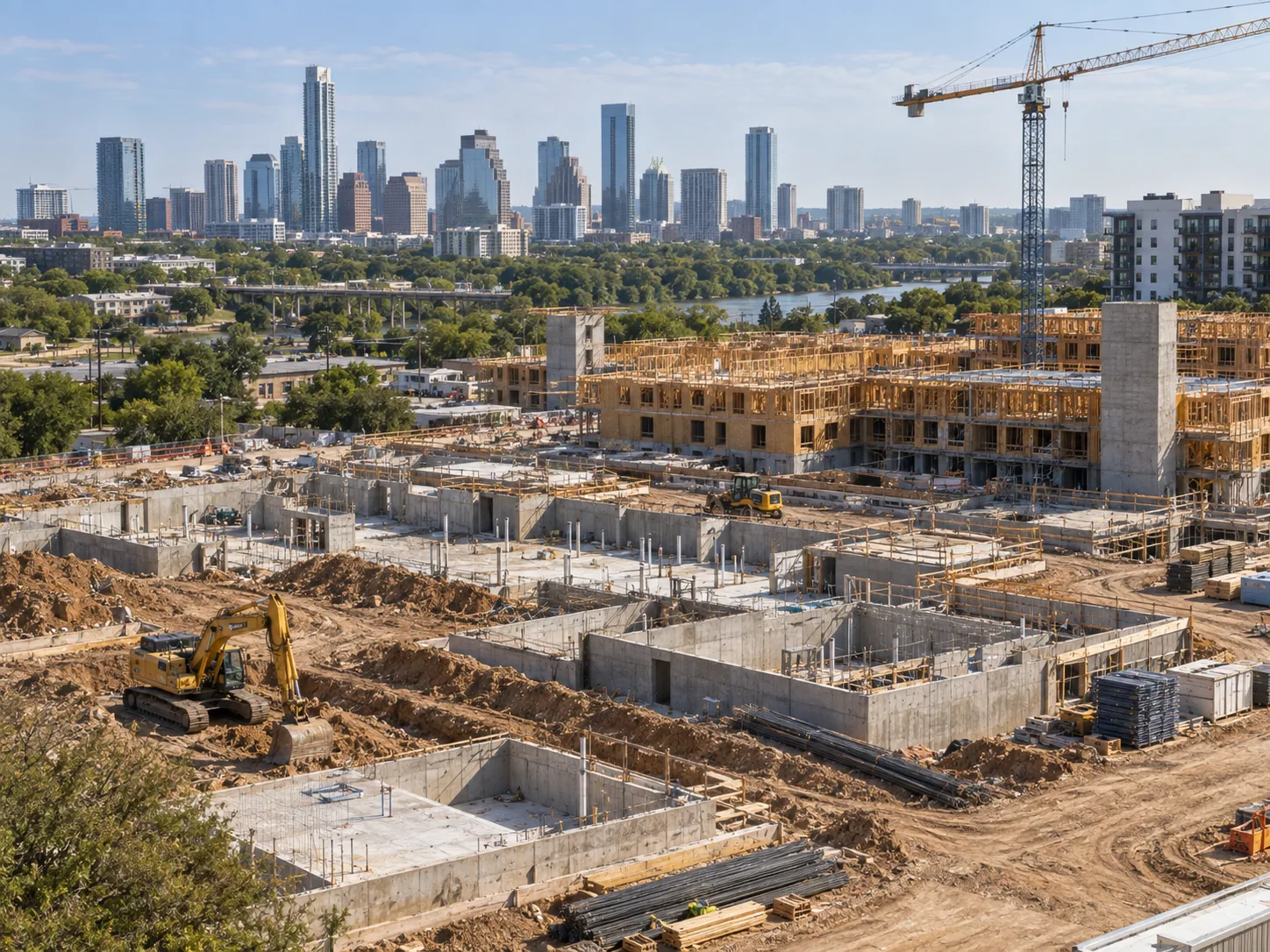
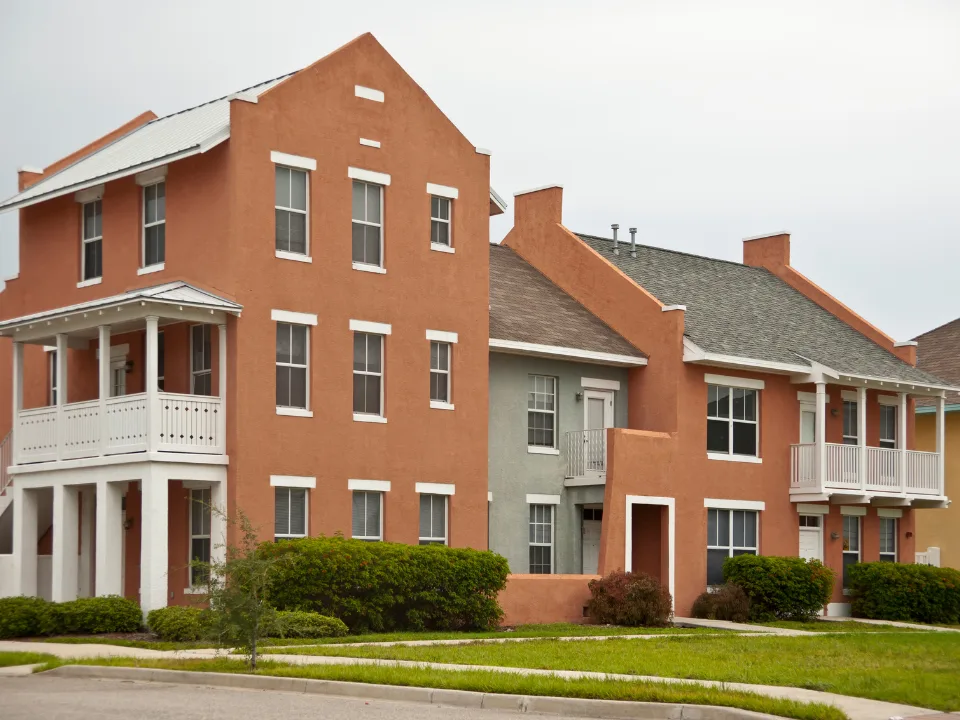
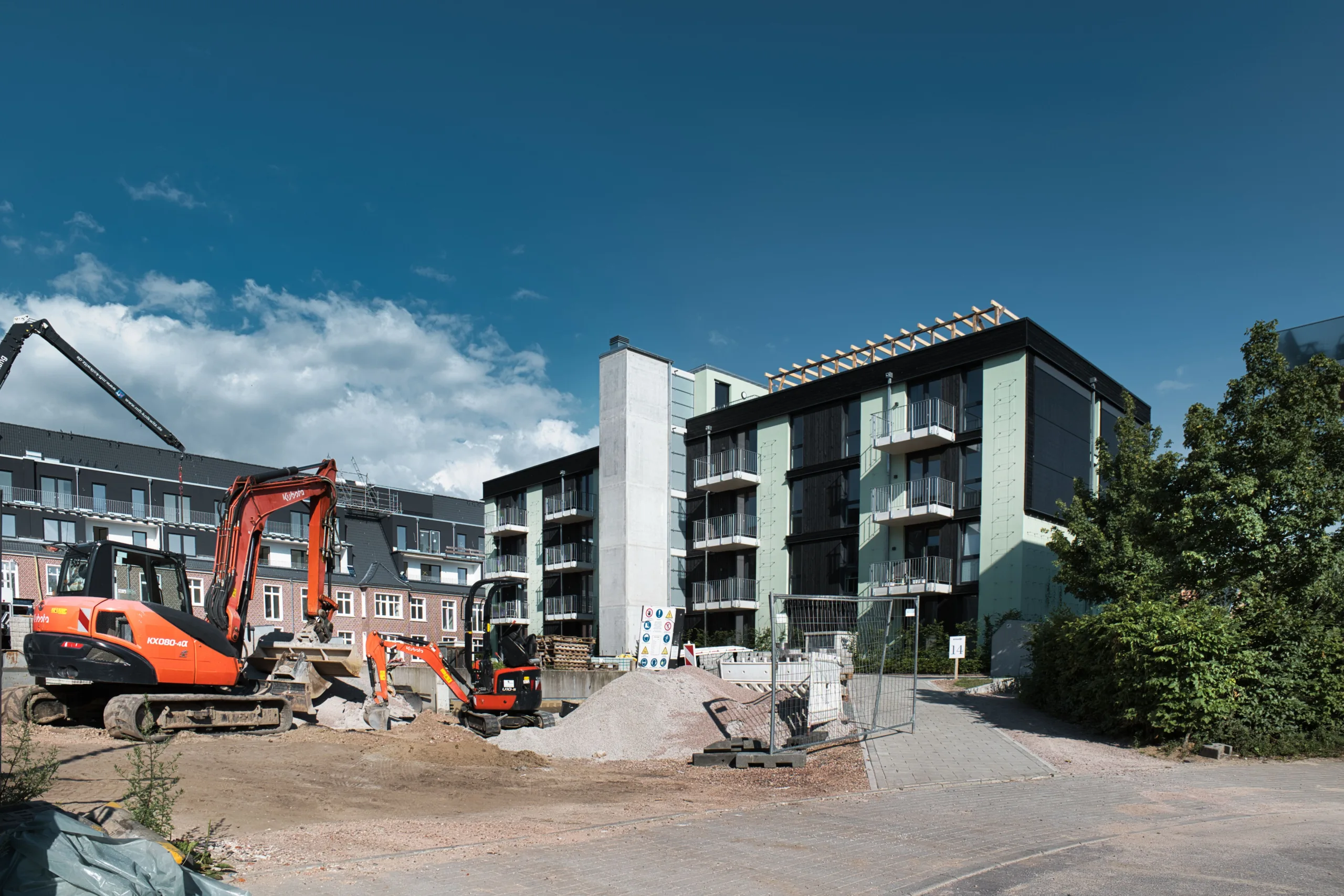
Housing developers are responding with a wave of duplex construction across suburban Wichita. Builders say the format offers a way to deliver attainable housing while offsetting higher land, labor, and material costs that have made traditional single-family development harder to pencil.
Local governments have supported the trend through rezonings aimed at accelerating construction. Developers describe duplexes as a middle-ground housing product that delivers more density without dramatically changing neighborhood character.
Lange Real Estate, one of the active players in the market, has built multiple duplex communities throughout the metro. Company president Rachel Lange-Mills told the Journal affordability remains the primary driver behind the strategy, especially as buyers and renters pull back from elevated mortgage rates and rising home prices.
The concept also aligns with broader national housing discussions around “light-touch density” — smaller-scale multifamily formats like duplexes, triplexes, and townhomes that increase supply without high-rise development. Urban economists and planners increasingly view those products as critical to easing housing shortages in middle-market cities.
A Different Kind of Migration Story
Wichita’s growth narrative differs sharply from the luxury-driven migration trends dominating much of US commercial real estate. Instead of attracting hedge fund managers or remote tech workers, the city is increasingly drawing healthcare workers, immigrants, retirees, and young families seeking lower costs and employment stability. That shift comes as several high-growth Sunbelt markets report slowing inbound migration because of rising housing and insurance costs.
That includes workers displaced by affordability pressures elsewhere. The Journal profiled one family that relocated from Minneapolis after struggling with higher costs and limited job opportunities. Others are opting for duplex rentals as an alternative to homeownership while mortgage rates remain elevated.
The shift comes as Wichita continues navigating economic changes tied to its aviation sector. The city, long known as the “Air Capital of the World,” faced major disruptions following the Boeing 737 MAX grounding and pandemic-era declines in air travel. Aircraft manufacturing remains a major employer through companies including Textron and Spirit AeroSystems, which Boeing recently reacquired.
At the same time, surrounding farmland is steadily converting into residential development to accommodate population growth and expanding healthcare employment.
Why Wichita’s Housing Market Matters
Wichita’s approach highlights a growing divide in US housing markets. While many large metros struggle with affordability crises fueled by luxury development and constrained supply, smaller Midwestern cities are increasingly competing on cost of living and workforce accessibility.
That dynamic could create new opportunities for multifamily developers and investors targeting secondary markets with stable employment growth and lower barriers to entry. Duplexes, in particular, are becoming a more attractive product type as builders search for ways to deliver attainable rents without sacrificing returns.
The trend also reflects shifting demand patterns. According to CBRE’s 2026 US multifamily outlook, renters are increasingly prioritizing affordability over amenity-heavy urban product, especially in markets with lower taxes and living costs.
What’s Next
Wichita’s affordability advantage may not last indefinitely if population growth continues accelerating and housing demand tightens further. The city’s rising renter competition already suggests available inventory is becoming more constrained.
Still, local officials and developers appear committed to scaling housing production before prices spike dramatically. Expect continued duplex expansion, additional suburban rezoning activity, and more healthcare-oriented development as Wichita positions itself as a long-term middle-class growth market rather than a luxury relocation destination.