






- Brookfield Asset Management expects to complete about $20B in real estate transactions, primarily across hospitality, logistics, and housing assets.
- CEO Connor Teskey said Tier 1 office markets are seeing rent growth of 50% to 80% over the past five years as new construction remains constrained.
- The firm’s outlook signals growing institutional confidence that commercial real estate pricing and transaction activity are stabilizing after years of disruption.
According to the Financial Post, Brookfield Asset Management is leaning harder into commercial real estate as market conditions improve faster than many investors expected. The alternative asset giant said it anticipates roughly $20B in real estate transactions over a two-month stretch, pointing to stronger valuations, rising deal flow, and tightening supply dynamics across multiple property sectors.
Speaking during Brookfield’s Q1 earnings call on May 8, CEO Connor Teskey said market activity on the ground is outpacing broader industry sentiment. While most of the near-term transaction volume will come from hospitality, logistics, and housing, Brookfield also sees a recovery building in office real estate — a sector many investors had largely written off after the pandemic.
Get Smarter about what matters in CRE
Stay ahead of trends in commercial real estate with CRE Daily – the free newsletter delivering everything you need to start your day in just 5-minutes
Office Fundamentals Are Tightening
Teskey argued that office fundamentals in major gateway markets have improved materially because developers effectively stopped building new supply after 2020. Pandemic uncertainty, elevated interest rates, and work-from-home concerns stalled office construction pipelines across North America and Europe for several years.
Now, Brookfield says demand is recovering into an environment with little new inventory coming online. According to Teskey, that imbalance is driving significant rent growth in top-tier office markets. He told analysts that rents in some markets have climbed between 50% and 80% compared to five years ago.
Brookfield has publicly maintained a bullish stance on office since 2025, when former CEO Bruce Flatt pointed to supply shortages in cities like New York and London as catalysts for a long-term rebound. The firm’s latest comments suggest management believes the recovery is accelerating rather than stabilizing gradually.
The Details
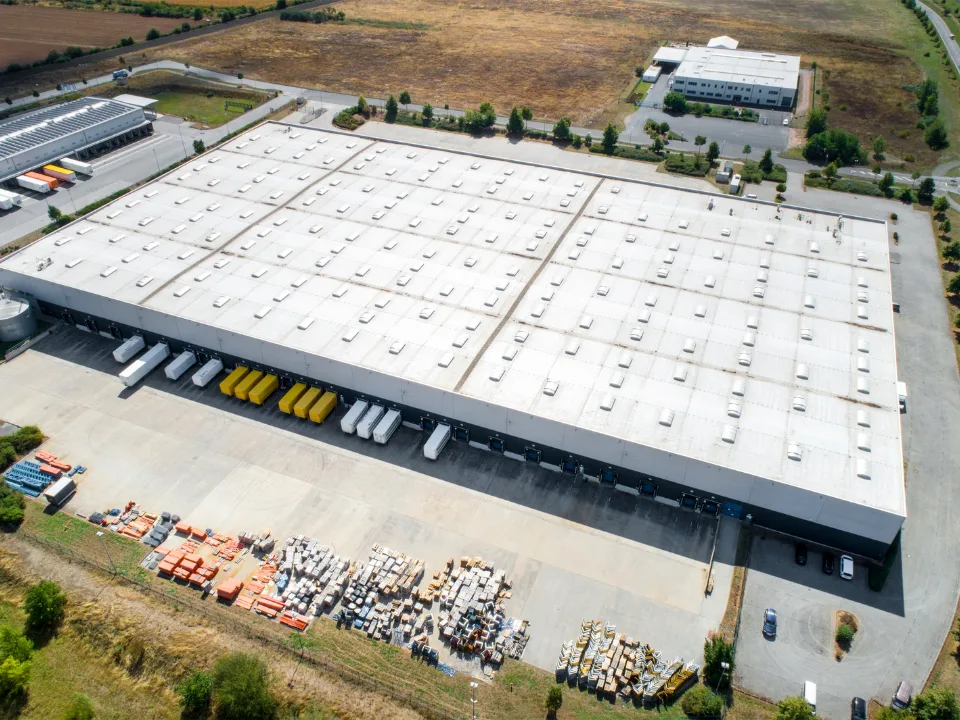
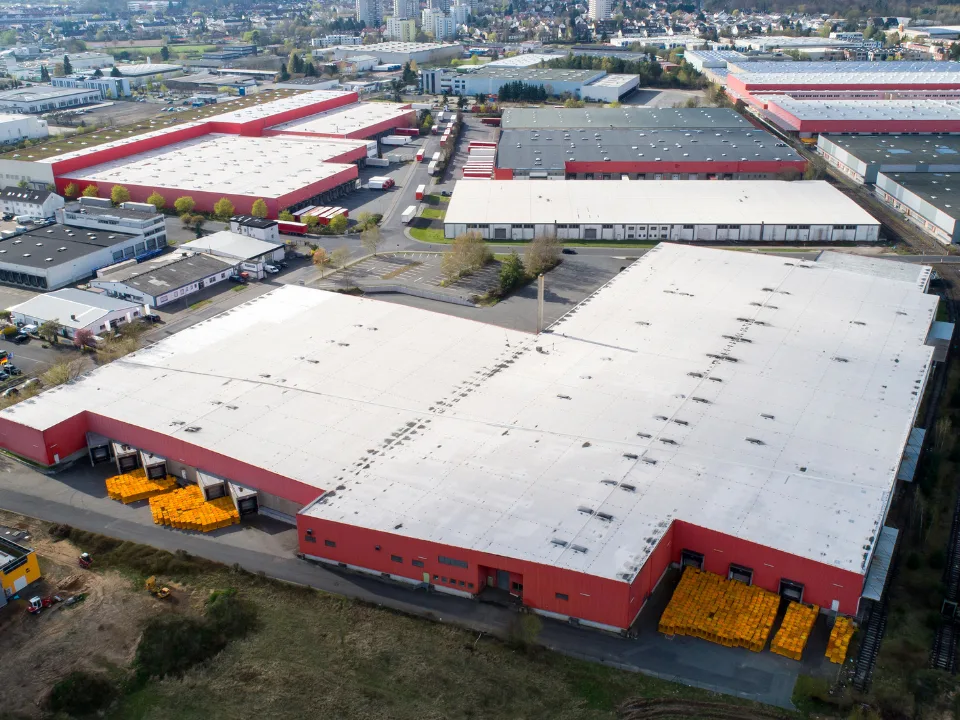
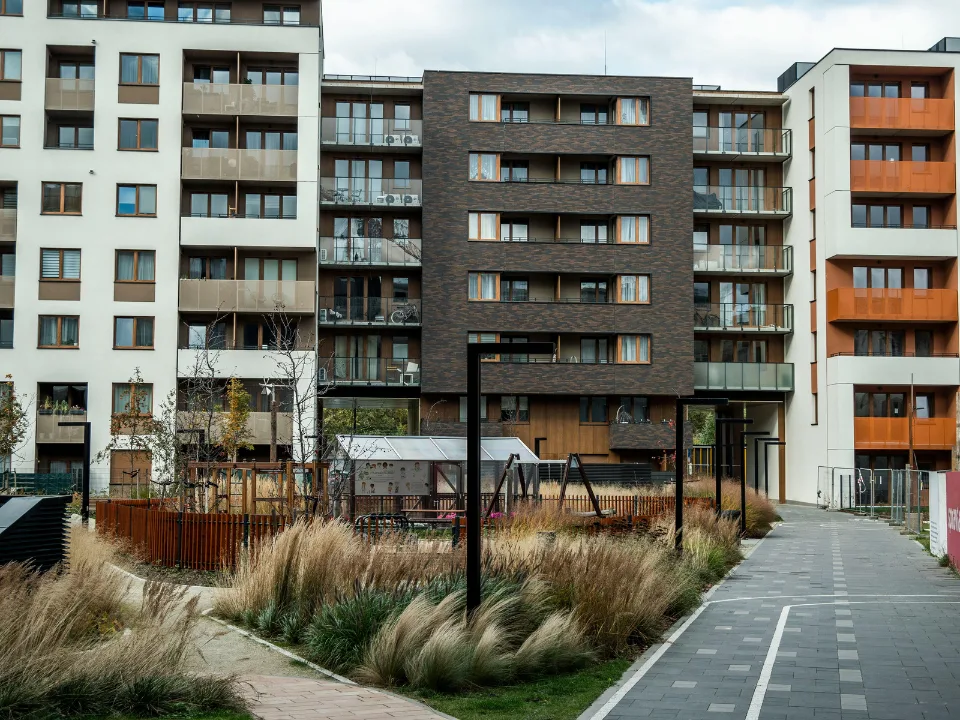
The expected $20B in transactions will primarily target non-office sectors where institutional demand has remained stronger through the rate cycle. Hospitality assets have benefited from sustained travel demand, logistics continues to attract capital tied to e-commerce and supply chain restructuring, and multifamily housing fundamentals remain supported by affordability challenges and limited new supply in several markets.
Brookfield also highlighted improving pricing and transaction volumes more broadly across commercial real estate. Higher financing costs slowed acquisitions and refinancing activity throughout 2023 and 2024, but large investors are increasingly returning to the market as interest rates stabilize and valuation expectations converge between buyers and sellers.
Outside real estate, Brookfield executives said the company also sees opportunities in dislocated credit markets through Oaktree Capital Management, which Brookfield fully acquired in October 2025 in a $3B deal. Oaktree managed $209B in assets as of June 2025.
Brookfield reported Q1 2026 net income of $586M, up from $507M a year earlier, while fee-related earnings increased 11%. The company also raised $3.4B during the quarter, including $800M for its infrastructure private wealth strategy and another $800M for its “supercore” infrastructure vehicle.
Tier 1 Office Markets Regain Momentum
Brookfield’s comments align with a growing divide emerging inside the office sector. Commodity office buildings continue to struggle with elevated vacancy and refinancing pressure, but newer, amenity-rich Class A assets in major urban markets are outperforming. That divergence has become more visible in major gateway markets, where discounted office sales continue to reset pricing expectations even as trophy assets maintain stronger leasing fundamentals.
According to CBRE’s 2026 North America Office Outlook, demand for premium office space has continued to concentrate in high-quality buildings despite broader occupancy challenges. Markets including Manhattan, Miami, London, and Toronto have all seen stronger leasing activity for top-tier assets as tenants prioritize quality over footprint size.
At the same time, new office construction has dropped sharply. Per JLL’s 2026 Global Real Estate Perspective report, office development starts remain well below pre-pandemic averages because higher construction costs and financing constraints have made speculative projects difficult to pencil.
That combination — recovering demand and constrained supply — is increasingly supporting rent growth for institutional-quality assets, particularly in gateway cities.
Why It Matters
Brookfield’s outlook carries weight because the firm remains one of the world’s largest commercial real estate investors. Institutional sentiment toward office has been cautious for several years, with many lenders and asset managers reducing exposure to the sector following valuation declines and remote work adoption.
If Brookfield’s thesis proves correct, the market could be entering an earlier-than-expected recovery phase for top-tier office assets. That would have implications for refinancing activity, capital flows, and pricing across gateway markets where distressed office narratives have dominated headlines since 2022.
The firm’s aggressive transaction pipeline also signals that large institutional investors increasingly believe the pricing reset in commercial real estate has created attractive entry points.
What’s Next
Investors will be watching whether transaction volumes continue to accelerate through the second half of 2026, especially in office markets where pricing discovery has remained uneven. Leasing trends, rent growth, and debt market liquidity will likely determine how quickly institutional capital returns to the sector.
Brookfield’s activity could also influence broader market sentiment if the firm begins deploying larger amounts of capital into office acquisitions later this year. For now, the company appears focused on sectors with clearer near-term fundamentals while positioning itself for what it believes is a longer-term rebound in gateway office markets.