





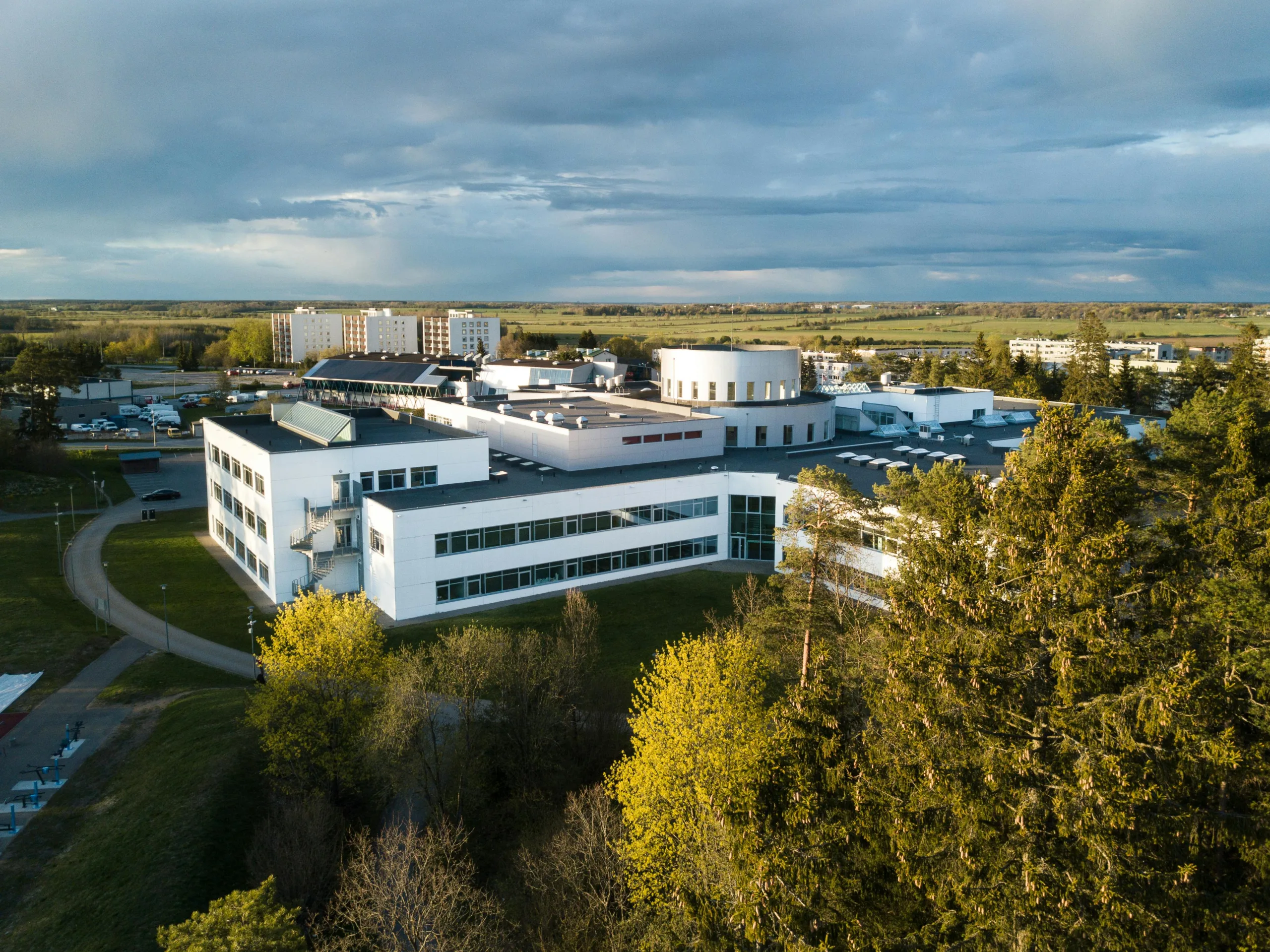
- Former QTS CEO Chad Williams launched QII, a new infrastructure platform focused on gigawatt-scale campuses for data centers, manufacturing, and AI-driven industrial uses.
- The company plans to target secondary and emerging markets with available grid capacity, avoiding behind-the-meter power strategies that many competitors now pursue.
- QII’s launch underscores continued investor and developer confidence in long-term AI infrastructure demand despite growing power constraints across major data center markets.
Just one year after exiting Blackstone-owned QTS, founder Chad Williams is launching another major digital infrastructure venture, reports Bisnow. His new company, Quality Infratech Intelligence — branded as QII — will focus on developing large-scale campuses for data centers and energy-intensive industrial users tied to AI growth.
Get Smarter about what matters in CRE
Stay ahead of trends in commercial real estate with CRE Daily – the free newsletter delivering everything you need to start your day in just 5-minutes
A Second Chapter After QTS
Williams said QII — pronounced “Q-2” — represents a deliberate next phase following his QTS tenure. Unlike QTS, which primarily focused on data center development and operations, QII plans to create broader digital infrastructure ecosystems that combine AI data centers with advanced manufacturing and industrial facilities.
The concept reflects the growing convergence between AI computing demand, energy infrastructure, and domestic manufacturing expansion. Williams told Bisnow that future campuses could support both “AI factories” and industrial infrastructure requiring massive power loads and digital connectivity.
The Details
QII has not yet announced any active projects or land acquisitions, but Williams said the company expects to unveil multiple developments before the end of 2026. The firm will initially fund projects through Williams’ family office, Quality Growth Cos., without outside institutional investors.
The company is also taking a different approach to power sourcing than many current hyperscale developers. While competitors increasingly pursue behind-the-meter generation deals to bypass utility interconnection delays, QII plans to stick with a “grid-only strategy” for now. Former Siemens Energy North America President Rich Voorberg will oversee the company’s energy strategy.
Williams argues that QII’s utility relationships and energy expertise will allow the company to identify overlooked pockets of available power capacity in emerging markets.
Betting on Emerging Data Center Hubs
QII is expected to focus heavily on nontraditional data center markets rather than established hubs like Northern Virginia, Dallas, or Phoenix. That strategy mirrors Williams’ earlier expansion playbook at QTS, where the company developed facilities in markets like Atlanta and Richmond before they became major digital infrastructure clusters.
The approach comes as power availability increasingly dictates where hyperscale development can occur. According to CBRE’s 2025 North American Data Center Trends report, vacancy rates in primary markets remain near record lows while utility constraints continue delaying new supply pipelines across major regions. That pressure is also pushing major tech firms to secure development sites earlier, particularly in Northern Virginia, where large-scale land acquisitions continue despite mounting power bottlenecks.
Developers are now racing to secure land with reliable power access, particularly for AI-related workloads that require significantly higher energy density than traditional cloud computing operations.
Why It Matters
Williams’ return highlights how rapidly capital and talent continue flowing into AI infrastructure despite mounting development challenges. Even after years of aggressive construction activity, demand from hyperscalers and AI companies continues outpacing available supply in many markets.
QII’s emphasis on secondary locations also reflects a broader shift across the sector. As traditional hubs face transmission bottlenecks, developers are increasingly exploring tertiary markets with lower land costs and untapped utility capacity. That trend could accelerate infrastructure investment in regions previously overlooked by institutional data center operators.
The company’s decision to avoid external capital — at least initially — also signals lingering tension between founder-led development strategies and institutional investor expectations in the increasingly crowded digital infrastructure space.
What’s Next
QII is expected to announce its first project pipeline later this year, with Williams hinting that some locations may surprise the market. Industry observers will also watch whether the company can successfully scale using a grid-first power strategy as utilities struggle to keep pace with AI-driven electricity demand.
If QII secures power capacity in overlooked markets, the company could help shape the next wave of US data center expansion beyond today’s established hyperscale corridors.