






- Commercial real estate assets in high climate-risk markets are worth 16.9% less than comparable properties in lower-risk areas, according to a new First Street study.
- Insurance premiums across major CRE asset classes jumped 154% between 2017 and 2024, with multifamily owners facing the sharpest increases and the biggest valuation discounts.
- The findings suggest climate exposure is no longer a theoretical underwriting concern—it is increasingly reshaping NOI, cap rates, and investment strategies in disaster-prone metros.
According to Bisnow, commercial real estate owners are starting to see climate risk show up directly in property valuations as rising insurance costs erode net operating income across major asset classes. A new report from climate analytics firm First Street found that CRE assets in higher-risk disaster markets trade at a 16.9% discount compared to similar properties in lower-risk regions.
Get Smarter about what matters in CRE
Stay ahead of trends in commercial real estate with CRE Daily – the free newsletter delivering everything you need to start your day in just 5-minutes
Insurance Pressure Hits NOI
The biggest driver behind the valuation gap is the sharp rise in CRE insurance costs over the last seven years. Across multifamily, office, industrial, and retail properties, insurance expenses increased 154% between 2017 and 2024, according to First Street. That translates to a 14.3% compound annual growth rate, far above the 4.6% average annual increase recorded during the first 17 years of the century.
Insurance now consumes 4.1% of average property NOI, up from 1.9% in 2017. In high-risk markets, the pressure is significantly worse. First Street Chief Economist Jeremy Porter told Bisnow that the commercial insurance market’s lighter regulatory structure allows pricing to adjust rapidly after catastrophic weather losses, creating long-term cost resets rather than temporary spikes.
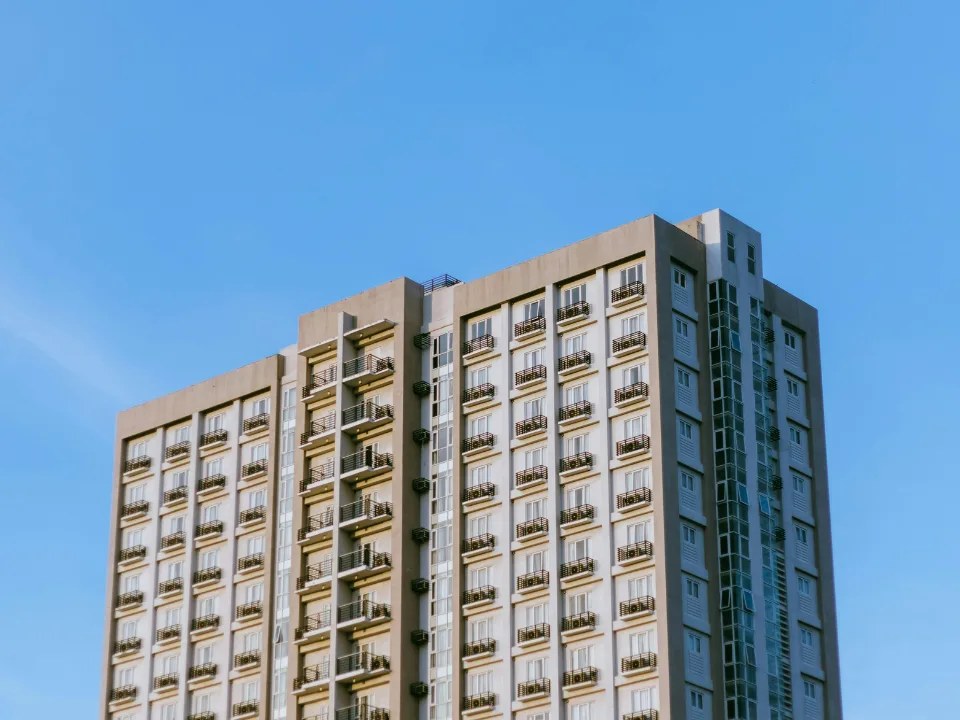
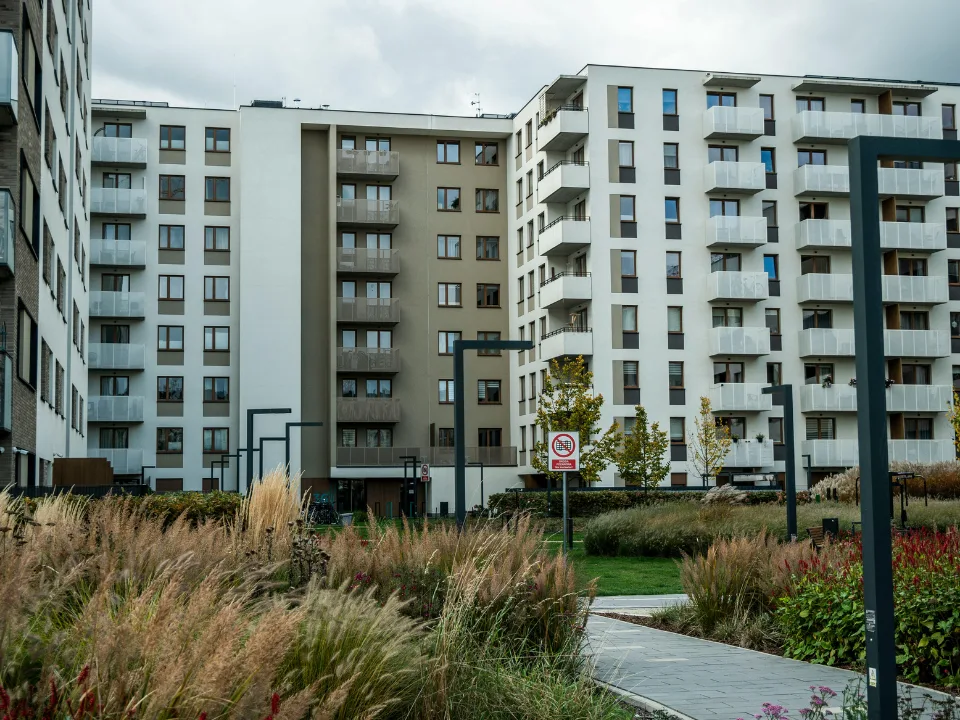
The multifamily sector has absorbed the most severe increases. Average insurance costs rose from $285.83 per unit in 2017 to $878.91 in 2024—a 207.5% jump. Multifamily properties in higher-risk markets now pay premiums roughly 69% higher than comparable assets in lower-risk metros, contributing to a 25% pricing discount for those properties.
The Details
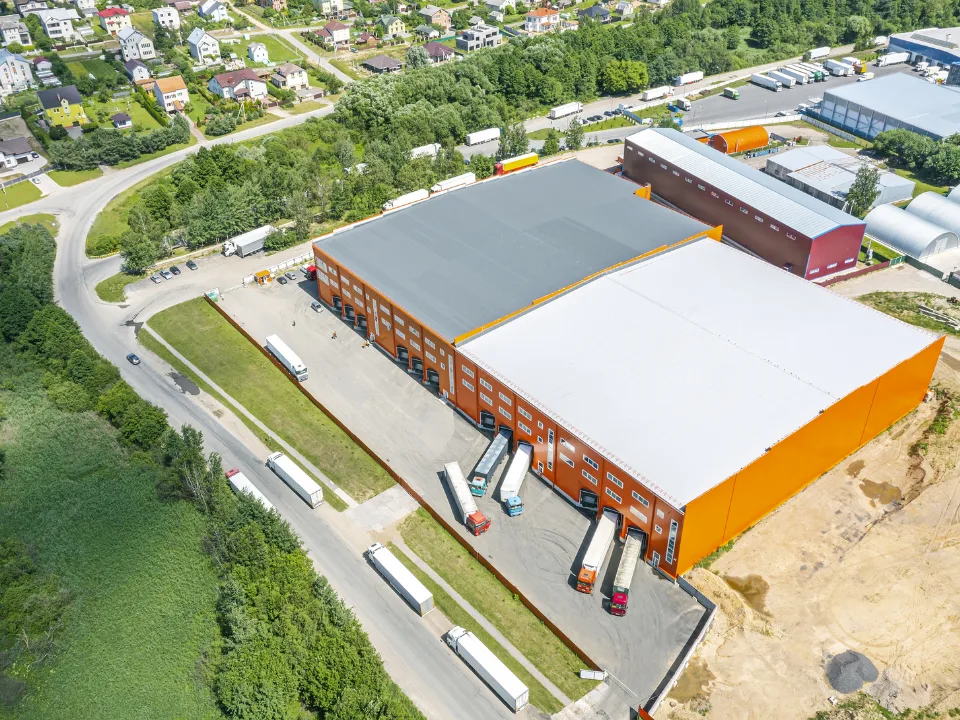
Industrial properties are also seeing widening cost disparities. According to First Street, insurance rates for industrial assets in high-risk areas have risen at roughly three times the pace of those in lower-risk regions. Insurance expenses consumed 5.9% of industrial NOI in high-risk markets during 2024, compared to 2.4% in lower-risk locations.
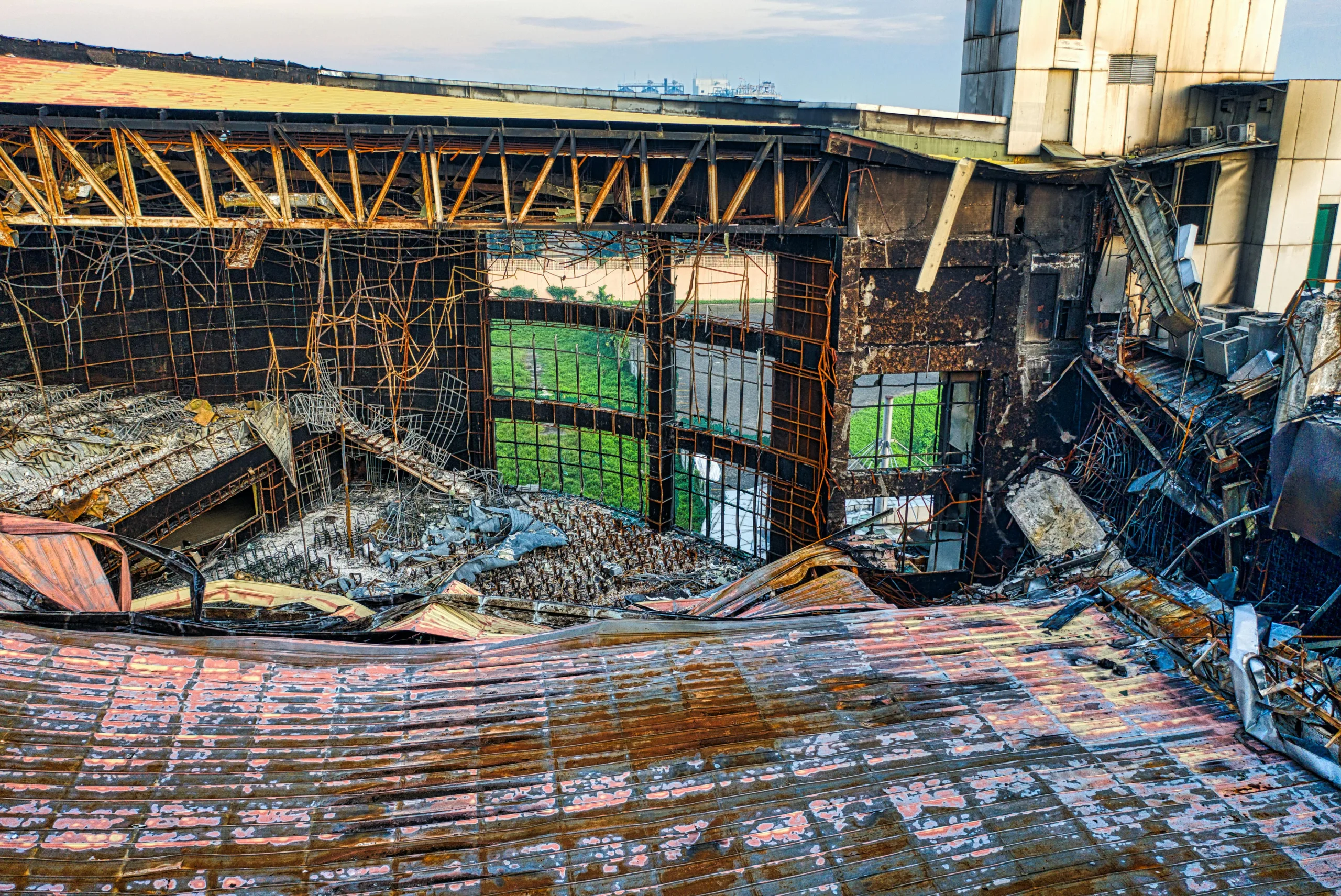
The insurance market’s volatility stems partly from reinsurance pricing, which acts as a pressure valve for insurers after catastrophic disasters. Reinsurance rates surged after major weather events like Hurricane Harvey in 2017 and Hurricane Ian in 2022, both of which generated tens of billions in losses.
The report noted that 2017 marked a turning point for the insurance market after more than $300B in global disaster damages triggered a prolonged hardening cycle. Hurricane Ian alone caused roughly $112B in damages in Florida, according to First Street, reinforcing upward pressure on premiums nationwide.
Although insurers expect some moderation in rates following a relatively quiet 2025 hurricane season, First Street argues the market has permanently reset to a higher pricing baseline. Porter told Bisnow that even when rates soften, they rarely return to previous levels after hard-market cycles.
High-Growth Markets Face a Climate Pricing Paradox
Some of the country’s most climate-exposed markets remain among the strongest-performing CRE investment destinations. Miami and Fort Lauderdale ranked among the riskiest office markets in First Street’s analysis, with insurance costs consuming roughly 5% of office NOI in those metros versus 1.4% in Nashville.
Fort Lauderdale has already seen measurable valuation impacts. Office property values there declined 17% between 2020 and 2024 while insurance costs doubled, according to First Street.
Miami tells a more complicated story. Despite rising climate exposure and insurance costs, office demand and pricing continue to climb as hedge funds, financial firms, and high-net-worth residents relocate to South Florida. Per Yardi Matrix, Miami office buildings traded at an average of $360 per SF in 2025, nearly double the national average of $190 per SF and nearly 39% above Q1 2020 valuations.
That divergence highlights what Porter described as a “tipping point” dynamic between economic desirability and climate vulnerability. For now, population growth, tax migration, and corporate relocations continue to outweigh insurance concerns in many Sun Belt markets.
Why It Matters
The report adds quantitative evidence to a trend many lenders, investors, and insurers have been quietly underwriting for years: climate risk is increasingly becoming a cash-flow issue rather than simply a physical-risk issue.
Because property values are tied directly to NOI, rising insurance costs can compress valuations even when occupancy and rents remain healthy. Owners who pass insurance costs through to tenants risk pushing rents above market thresholds, while multifamily landlords often have limited ability to transfer those expenses directly.
The findings could also influence capital allocation decisions across institutional CRE. Investors may increasingly demand higher cap rates in vulnerable markets or prioritize assets with stronger resiliency features and lower insurance exposure. According to CBRE’s 2025 US Investor Intentions Survey, insurance availability and climate resiliency have become more prominent underwriting considerations for institutional buyers. That pressure is already surfacing in major gateway markets, where rising premiums are squeezing property owners’ margins and complicating refinancing and operating strategies.
What’s Next
The insurance market may see temporary relief in 2026 if catastrophe losses remain muted and reinsurance pricing continues to ease. But First Street’s research suggests long-term insurance inflation is likely to persist as severe weather events become more frequent and expensive.
Investors will likely focus more heavily on climate-adjusted underwriting metrics, particularly in coastal and wildfire-prone metros. Markets such as Miami, Houston, Los Angeles, and Fort Lauderdale could become early tests for whether economic growth can continue offsetting mounting climate-related operating costs.
For now, the data suggests climate risk is no longer a distant concern for commercial property owners—it is already showing up in valuations, underwriting models, and investor returns.