







- Peakline launched a new qualified opportunity zone fund targeting up to $1.3B in equity commitments ahead of the OZ 2.0 program rollout.
- The fund separates urban and rural investment strategies to capitalize on enhanced tax incentives for rural opportunity zone developments.
- The launch signals renewed institutional appetite for opportunity zone investing as updated federal rules reshape eligible markets and tax benefits.
Peakline Real Estate Funds is moving early to capture investor demand ahead of the next phase of the federal opportunity zone program, reports Bisnow. The firm launched its fourth OZ-focused investment vehicle this week, targeting up to $1.3B in equity commitments before the revised incentive structure, commonly called OZ 2.0, takes effect in January 2027.
The new fund arrives as developers and investors reposition for a revamped opportunity zone landscape that offers expanded tax incentives and updated eligibility rules. Peakline said it plans to begin deploying capital once the new program officially launches, giving investors access to the enhanced benefits tied to the next generation of OZ legislation.
Preparing for OZ 2.0
The original opportunity zone program, created under the 2017 Tax Cuts and Jobs Act, allowed investors to defer and reduce capital gains taxes by reinvesting proceeds into designated low-income census tracts. That first iteration sunsets at the end of 2026, with Congress approving a replacement framework that significantly adjusts incentive structures and qualifying geographies.
One of the biggest changes in OZ 2.0 centers on rural investment incentives. Under the updated program, rural projects can qualify for a 30% step-up in basis tax deferral, triple the 10% incentive available for urban developments. That distinction is driving firms like Peakline to create separate investment tracks tailored to different geographic strategies.
Peakline co-founder and CEO Michael Miller said in a company statement that the firm sees opportunity zones becoming a more permanent institutional investment category as the federal program matures.
Get Smarter about what matters in CRE
Stay ahead of trends in commercial real estate with CRE Daily – the free newsletter delivering everything you need to start your day in just 5-minutes
The Fund Structure
Peakline’s Qualified Opportunity Zone Fund IV Program will include two parallel strategies: a Metro Fund targeting urban and suburban developments and a Rural Fund focused on projects in lower-density markets.
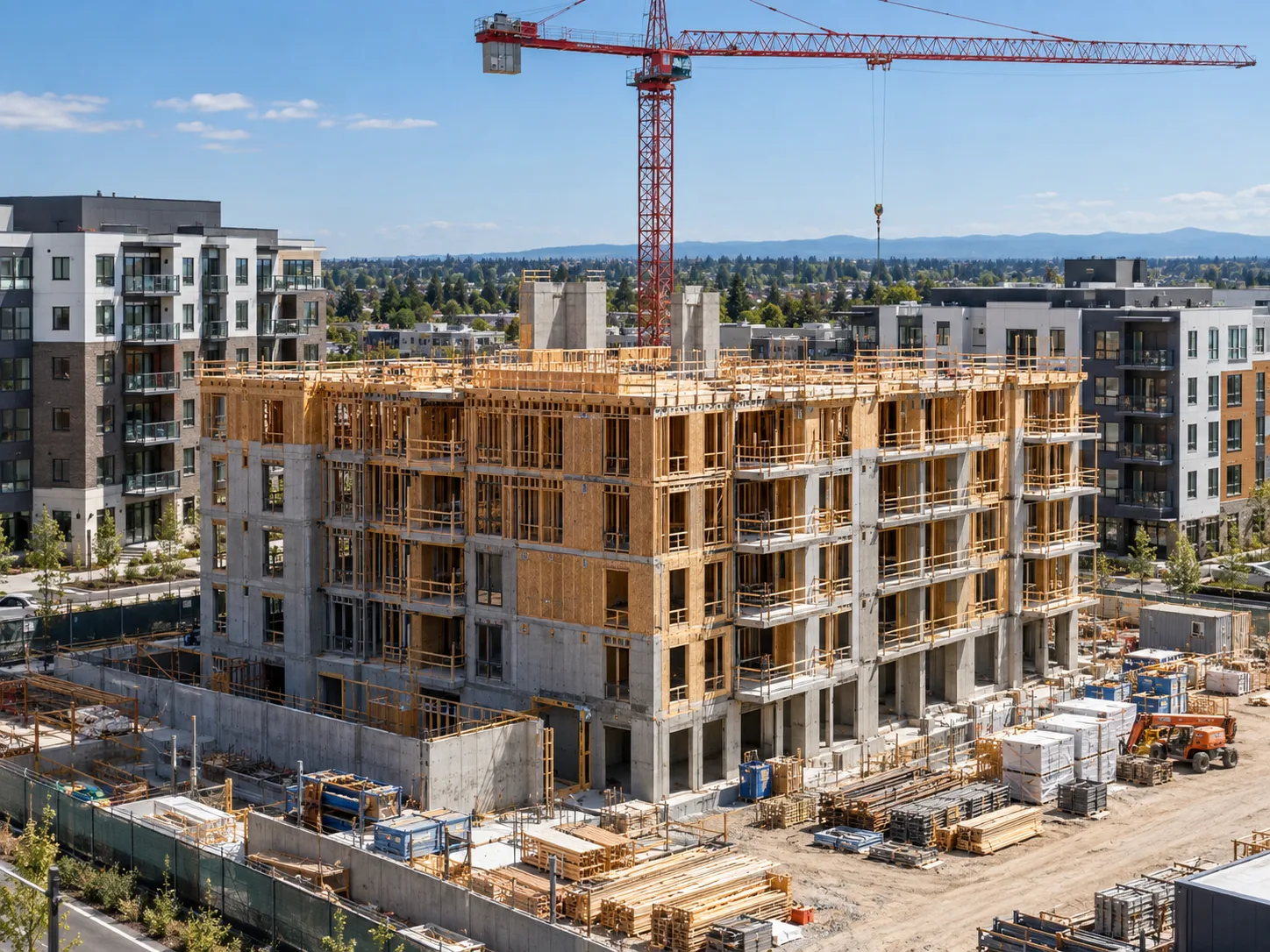
The Metro Fund will pursue multifamily, mixed-use, and infill industrial developments, while the Rural Fund will target residential, industrial, and energy infrastructure assets. The firm said the combined platform could support more than $3B in total opportunity zone investment when including debt financing.
The strategy reflects where many OZ investors have shifted in recent years. Multifamily and industrial have increasingly dominated OZ pipelines as office demand remains pressured by elevated vacancies and hybrid work patterns. Notably, Peakline’s latest announcement did not mention office investments, despite prior funds including office exposure.
Peakline said it is already identifying projects that align with expected OZ 2.0 eligibility requirements, even though the federal government has not finalized the new map of qualifying census tracts.
Waiting on the New Maps
Governors across the country are currently submitting proposed opportunity zone designations under the updated rules. OZ 2.0 tightened income thresholds and adjusted qualification criteria to steer more investment toward economically distressed communities.
According to the Department of Housing and Urban Development, final tract selections are not expected until late 2026. That creates a temporary holding pattern for some investors weighing whether to deploy capital under the current program or wait for the enhanced benefits available next year.
For many institutional players, the math favors patience. Investors entering under OZ 2.0 generally stand to realize larger tax savings, particularly on long-hold rural investments where the expanded basis adjustments materially improve after-tax returns.
That dynamic is already influencing fundraising activity across the market as sponsors position themselves ahead of renewed demand.
Why It Matters
Peakline’s latest raise underscores how opportunity zones are evolving from a niche tax strategy into a more institutionalized real estate investment category. The firm has already deployed $1.2B in equity across its first three OZ funds, supporting roughly $4B in development activity spanning residential, industrial, retail, and office assets.
The launch also reflects broader investor confidence that Congress intends for opportunity zones to remain a long-term economic development tool rather than a temporary policy experiment. That shift has accelerated as lawmakers push to expand and modernize the program ahead of the current tax benefits expiring at the end of 2026. With enhanced rural incentives and revised tract qualifications, OZ 2.0 could redirect capital toward smaller markets and infrastructure-heavy projects that previously struggled to compete for institutional investment.
At the same time, the bifurcated urban-rural structure signals that managers expect the tax advantages themselves to shape capital allocation decisions more aggressively than in the first wave of opportunity zone investing.
What’s Next
The biggest near-term catalyst will be the release of finalized OZ 2.0 tract maps later this year. Those designations will determine where billions in private capital can flow beginning in January 2027.
Investors will also be watching whether other large real estate sponsors launch dedicated rural OZ strategies to capitalize on the enhanced tax treatment. If fundraising momentum accelerates, the next phase of opportunity zone investing could look materially different from the first — with more infrastructure, industrial, and workforce housing projects entering the pipeline alongside traditional urban multifamily development.