






- Sun Belt multifamily performance now varies widely at the submarket and asset level.
- Rent-by-necessity (RBN) assets in supply-light areas show resilience compared to lifestyle properties in overbuilt districts.
- Mapping new deliveries and local demand is essential for identifying investment opportunities.
- Metro-level data can obscure micro-cycles, making a granular approach critical.
Metro-Level Averages Mask Submarket Variation
Globe St reports that multifamily investors focusing only on metro-level statistics in Sun Belt markets such as Austin and Phoenix risk missing nuanced dynamics. According to Yardi Matrix’s latest outlook, headline metrics show rents drifting down and occupancy pressure as the post-pandemic construction pipeline delivers its final wave. However, submarket and asset type data reveal a sharply uneven landscape, with some niches outperforming others.
Lifestyle vs. RBN Assets Diverge
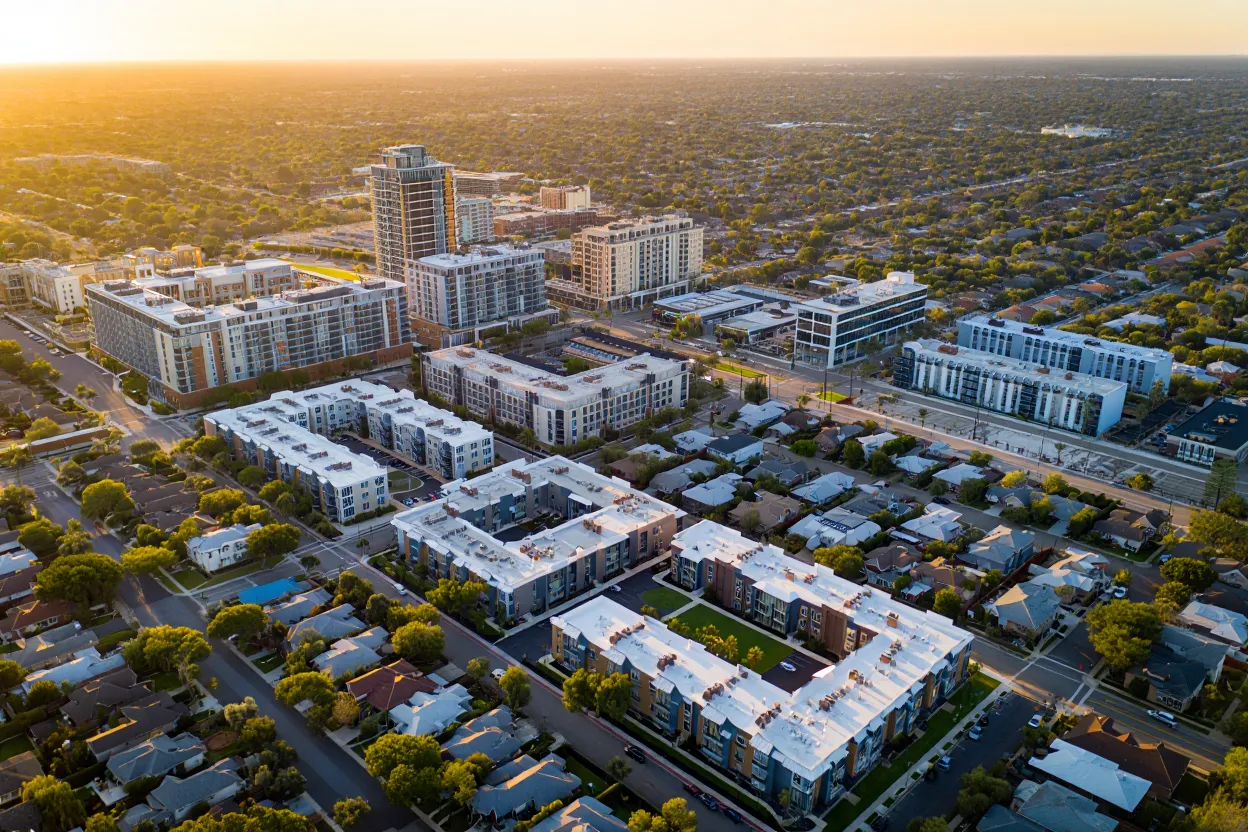
Yardi Matrix’s research highlights a growing disparity between lifestyle (Class A) and rent-by-necessity (RBN) properties. Urban cores and trending districts that saw the bulk of new construction are now facing sharper rent declines and heavier concessions. In some markets, rents are even pulling back in the short term as new supply hits faster than demand can absorb it. In contrast, RBN product—especially in suburbs or infill nodes—continues to see positive renewal trade-outs. Stable occupancy is holding due to an enduring housing shortage and high barriers to homeownership.
Get Smarter about what matters in CRE
Stay ahead of trends in commercial real estate with CRE Daily – the free newsletter delivering everything you need to start your day in just 5-minutes
Sharpshooter Approach for Investors
The current Sun Belt multifamily environment calls for precise, submarket-by-submarket analysis. Yardi Matrix advises investors to map both trailing and forthcoming deliveries to identify under-supplied nodes where fundamentals remain intact. In Austin, Denver, and other Sun Belt cities, certain submarkets have absorbed much of their supply pipeline. Others still face pressure. New inventory is expected to keep coming online through 2027. Secondary markets in the Midwest and Northeast with modest new supply are also showing strong rent growth.
What’s Next for Sun Belt Multifamily
Looking ahead, market-level completions are set to normalize but will not address the broader housing shortfall. The ongoing supply-demand imbalance should continue to support well-located Sun Belt multifamily assets, albeit requiring selective underwriting. Investors are urged to focus on local supply-demand balance, understand political risks, and target resilient submarkets rather than relying on broad metro-level trends.