






- Florida migration is slowing as high costs drive working-age residents out.
- Net domestic migration gains are shrinking, with some cities now losing residents.
- Housing affordability challenges risk slowing economic and real estate growth.
- Younger, working-age populations are leaving while older, affluent arrivals increase.
Economic Shifts as Migration Trends Change
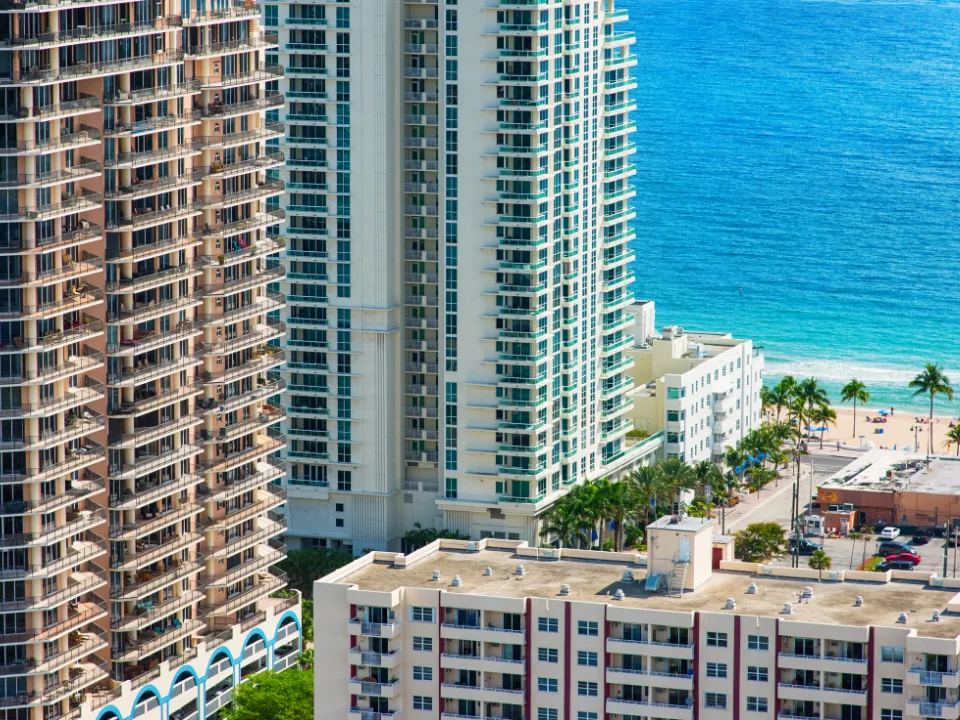
Florida migration patterns are undergoing a significant transformation, reports The WSJ. The state, long favored for its sunshine and affordable living, is now seeing a departure of working-age residents in response to rising costs and stagnant wages. Meanwhile, the number of new arrivals from other US states is falling, slowing the once-robust population growth that fueled real estate and service sectors.
Major metro areas—Orlando, Miami, and Tampa—have become less attractive to middle-income earners as home prices and living expenses outpace wage growth. Net domestic migration gains have dropped sharply, and some cities such as Orlando and Naples are now losing more residents than they gain.
Affordability Crunch Drives Demographic Shift
Housing affordability is at the core of Florida’s changing migration dynamics. Home prices have surged, with Tampa rising from $298,000 to $478,000 between 2019 and 2024. Despite an influx of affluent newcomers, many workers struggle. Nearly half of residents have considered leaving due to rising costs, and most common jobs pay under $20 per hour. This shift reflects broader migration patterns shaping CRE demand across the US, where affordability and job access continue to drive population flows.
This shift has led to a younger workforce departing Florida, while older, wealthier individuals move in. The economic impact is tangible—a slowdown in job growth, weaker demand for goods and services, and a potential risk to real estate momentum reliant on continuous in-migration.
Long-Term Implications for Real Estate and Economy
The slowing Florida migration trend poses risks for the state’s economic model. As younger, working-age populations leave, the supply of labor for key industries shrinks. Simultaneously, rising home prices and sluggish income growth could weigh on future property values and home sales activity.
Affluent arrivals may support high-end construction and boost tax revenues, but may not offset the lost dynamism from departing middle-class residents. Market watchers and developers are watching closely as the Florida migration slowdown introduces new uncertainties for the commercial real estate sector and the broader economy.
Get Smarter about what matters in CRE
Stay ahead of trends in commercial real estate with CRE Daily – the free newsletter delivering everything you need to start your day in just 5-minutes