





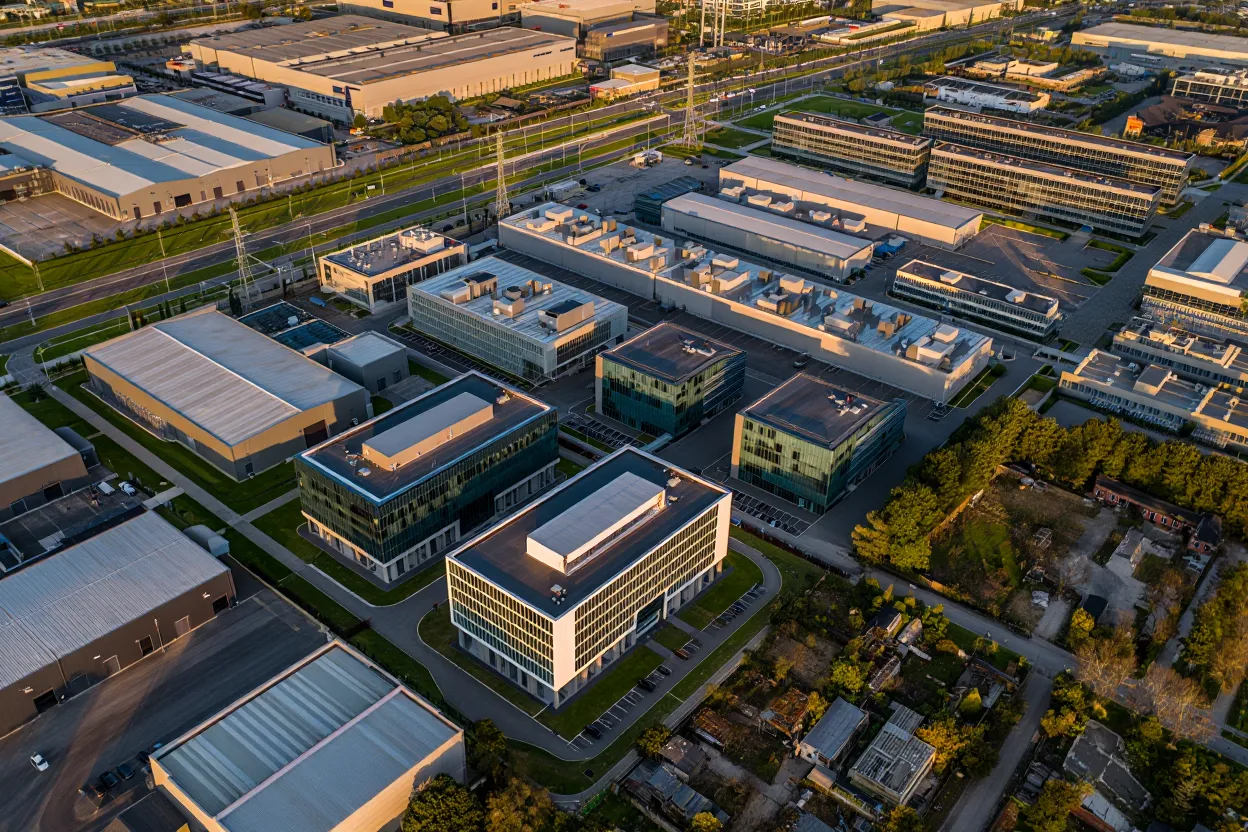



- Segmented CRE activity favors industrial, data center, and Class A office assets.
- Higher operating costs and energy price increases are shaping decisions across all regions.
- Regional differences remain pronounced, with infrastructure demand driving select markets.
- Lower-tier office and parts of the multifamily sector face softer or mixed demand.
Beige Book Highlights Market Differentiation
Trepp reports that the Federal Reserve’s April Beige Book underscores a segmented CRE market as operators deal with rising costs and persistent economic uncertainty. While industrial, data center, and high-end office segments showed ongoing strength, discretionary and lower-quality properties remain challenged. Activity is concentrated where demand is linked to infrastructure, necessity, or quality assets.
National Trends Show Selective Strength
CRE activity at the national level remains focused on resilient segments. Industrial leasing and logistics, as well as data center development, continued to attract investment. Class A and renovated offices, particularly those tied to AI-driven tenants, performed best. In contrast, weaker demand persisted for lower-tier office space and some multifamily markets, with rent concessions and softening rents noted in select regions. Retail was stable but revealed early signs of tenant weakness in certain districts.
Regional Variations Remain Stark
Office demand in the Northeast and Mid-Atlantic stayed focused on top-quality properties. Leasing held up, supported by finance and AI tenants. In the South and Sunbelt, activity remained steady across key sectors. Industrial, data centers, and select multifamily assets led demand. Energy and infrastructure projects continued to drive new development. Meanwhile, Midwest conditions remained mixed across markets. Demand often depended on specific projects, especially data centers. Office and multifamily performance varied widely by location.
Get Smarter about what matters in CRE
Stay ahead of trends in commercial real estate with CRE Daily – the free newsletter delivering everything you need to start your day in just 5-minutes
Cost Pressures and Macro Uncertainty
Higher fuel, freight, and construction costs continue to rise across CRE. Geopolitical disruptions have intensified these pressures and increased overall cost volatility. At the same time, broader economic reports point to flat growth and uneven conditions across districts, reinforcing the fragmented outlook for CRE sectors. Energy-producing markets benefit from higher oil prices. However, operators and investors remain cautious with capital deployment and hiring decisions. Cost unpredictability continues to shape their approach. At the same time, AI-driven productivity gains help some firms avoid expanding their workforce. This shift adds another layer of uncertainty for employment-driven property demand.
What’s Next for CRE Segmentation
CRE outcomes remain segmented, with ongoing advantages for asset types tied to lasting demand and infrastructure. Key variables to watch include further changes in energy and input costs, the persistence of the divide in office demand by asset quality, and the resilience of data center growth. The widening gap in consumer spending power is also poised to affect retail and affordability-sensitive multifamily properties as market differentiation intensifies.