





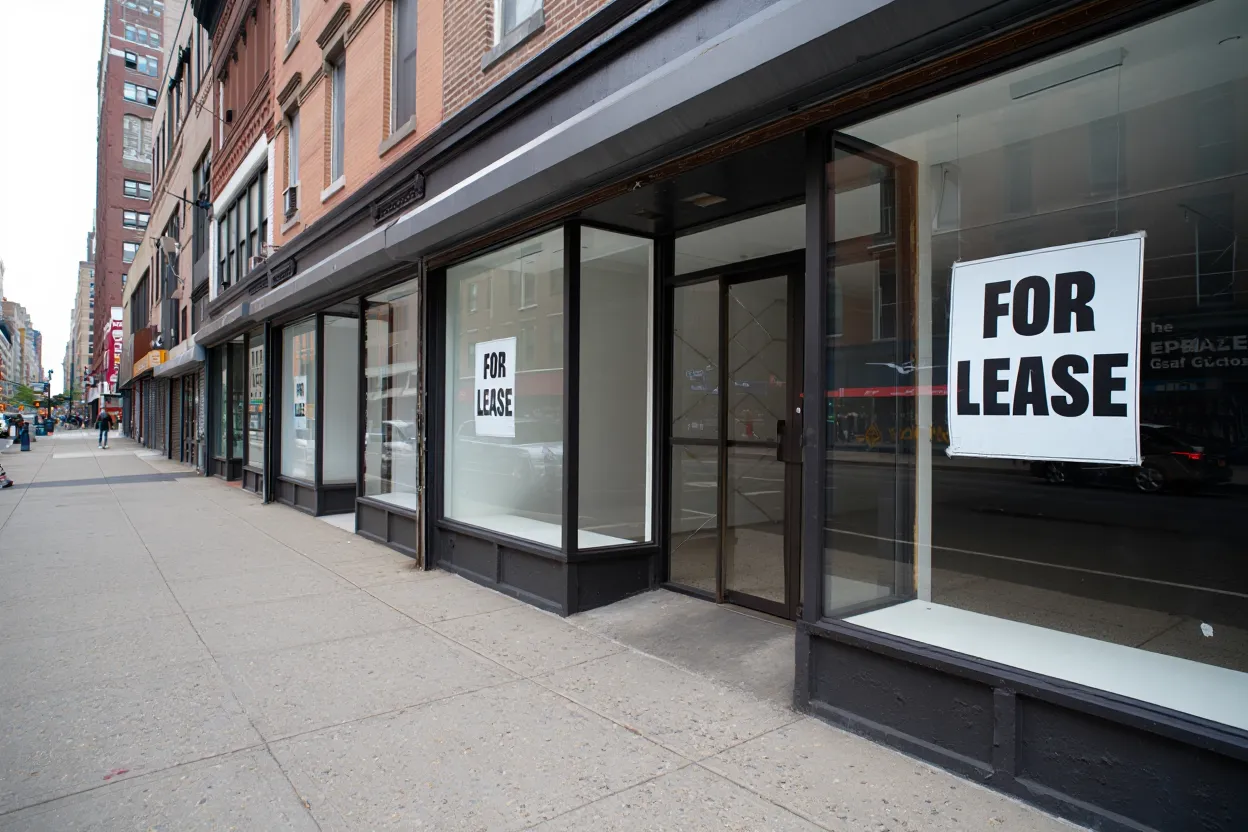
- New York state is considering a commercial rent control measure for retail leases in NYC.
- Retail landlords argue that retail leases are too complex for standardized rent regulation.
- The proposed law would cap rent hikes and grant retail tenants renewal rights with 10-year lease terms.
- Retail vacancies remain at around 12% citywide despite rising prime corridor rents.
Proposal Aims to Stabilize Retail Leases
New York state lawmakers, led by Sen. Julia Salazar, have revived a bill proposing commercial rent control in New York City. The bill would introduce a commercial Rent Guidelines Board tasked with setting maximum allowable rent increases for retail spaces, similar to existing rent stabilization for residential units, reports Bisnow.
The legislation seeks to protect small businesses from steep rent hikes, standardizing lease renewals and length. Proponents cite recent closures due to rising rents and allege some landlords warehouse storefronts awaiting wealthier tenants.
Landlords Cite Lease Complexity
At Bisnow’s New York City Retail Conference, retail landlords voiced skepticism about a one-size-fits-all approach. They note that retail leases often vary widely, reflecting tenant sales, location, and other custom terms. This complexity, they argue, makes enforcing retail rent control much harder than for apartments.
Industry leaders point out that deals are often negotiated to support tenant viability. They claim empty spaces are unusual unless planned for redevelopment. Most landlords prefer to secure stable, long-term tenants through market-based agreements. At the same time, rising regulatory pressure and operational challenges are adding new layers of complexity for developers across asset classes, forcing more cautious underwriting and longer timelines.
Market Context and Next Steps
Prime retail rents, such as in Times Square, have rebounded to $1,597 PSF by the end of 2025, with availability rates dropping. However, citywide vacancy rates for retail remain at about 12%, showing continued market challenges outside prime locations.
Landlords indicate readiness to comply with proposed data reporting requirements, as the city already collects similar information. Still, many remain confident that legislators will see that the unique math and structure of retail leases make blanket rent control unworkable for commercial spaces.
Get Smarter about what matters in CRE
Stay ahead of trends in commercial real estate with CRE Daily – the free newsletter delivering everything you need to start your day in just 5-minutes