




- Net operating income for rent-stabilized multifamily buildings rose 6.2% year-over-year.
- Operating costs grew 4.2%, while total income increased 4.9% over the same period.
- Landlord groups dispute the data, arguing it understates economic distress in older stabilized buildings.
- The Rent Guidelines Board will vote on possible rent increases for stabilized units later this year.
Stabilized Income Rises
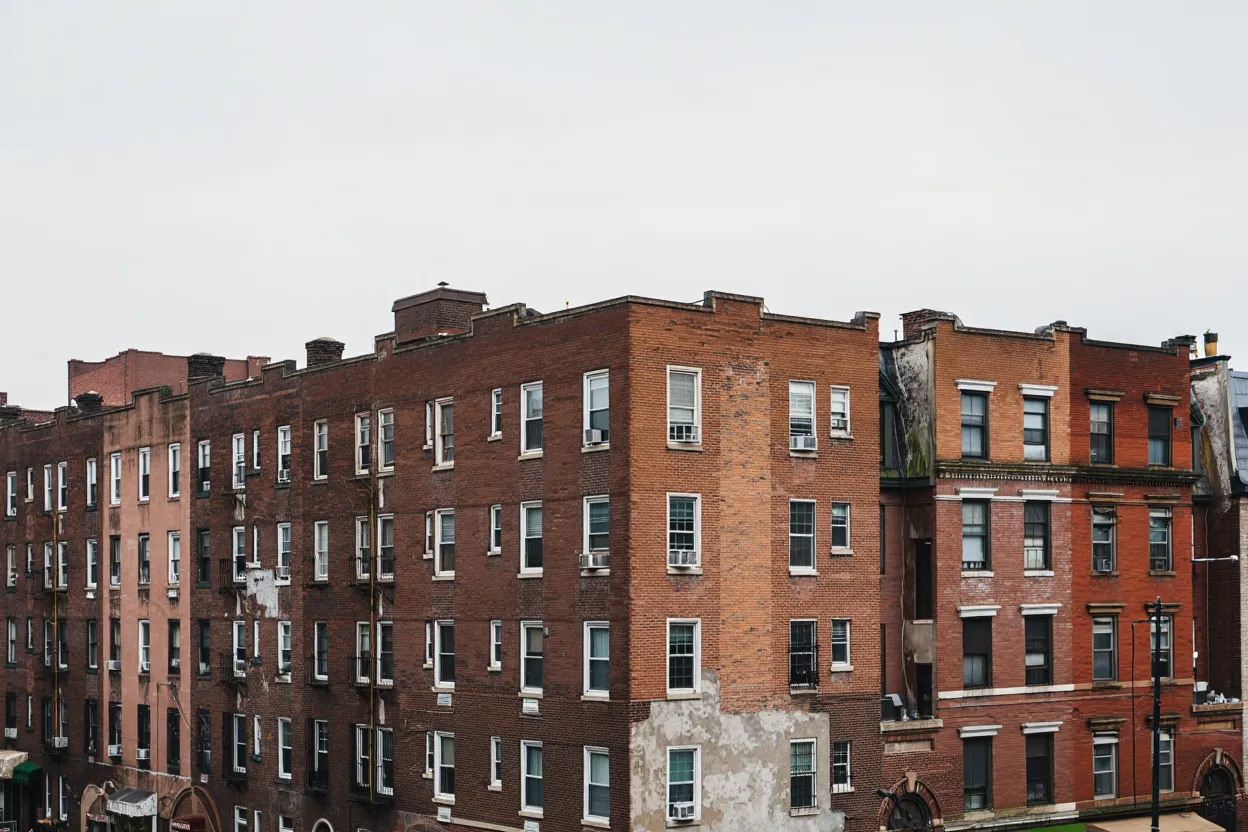
The New York City Rent Guidelines Board (RGB) reported a 6.2% increase in net operating income (NOI) for buildings with rent-stabilized multifamily units between 2023 and 2024, reports Bisnow. Adjusting for inflation, NOI increased by 2.2%. Operating costs also rose, up 4.2%, while total income grew 4.9% for these properties.
Landlord Pushback on Numbers
Landlord groups, including the New York Apartment Association and Small Property Owners of New York, criticized the RGB’s methodology. They argue that the report averages data across buildings with vastly different financial situations, including those with luxury free-market units, and fails to account for major capital expenses and debt service, a concern that mirrors broader uncertainty in lending conditions as banks continue to navigate shifting commercial real estate fundamentals.
Get Smarter about what matters in CRE
Stay ahead of trends in commercial real estate with CRE Daily – the free newsletter delivering everything you need to start your day in just 5-minutes
Geographic and Ownership Impacts
NOI grew most in Staten Island and Manhattan, both with relatively fewer fully stabilized buildings. In contrast, the Bronx—where stabilized multifamily buildings dominate—saw a 0.1% decrease in NOI. Some 9.2% of stabilized buildings reported operating costs above gross income, highlighting localized distress, especially among small property owners.
Debate Ahead of Board Vote
The RGB’s findings heighten calls from tenant groups for a rent freeze and pressure from landlords for a more nuanced approach. The board, now with a mayoral majority, will weigh these results ahead of a preliminary vote in May, determining future rent levels for New York’s regulated multifamily sector.