






- Rental market share rose to 34.7% of US housing units in 2024, up from 29.9% in 2010.
- Median gross rent increased by 3.8% since 2011, outpacing real home value growth.
- Vacancy rates in multifamily rentals hit 8.6% in early 2026, a record high level.
- Slowing job growth and reduced multifamily construction signal shifting demand.
Rental Market Growth Accelerates
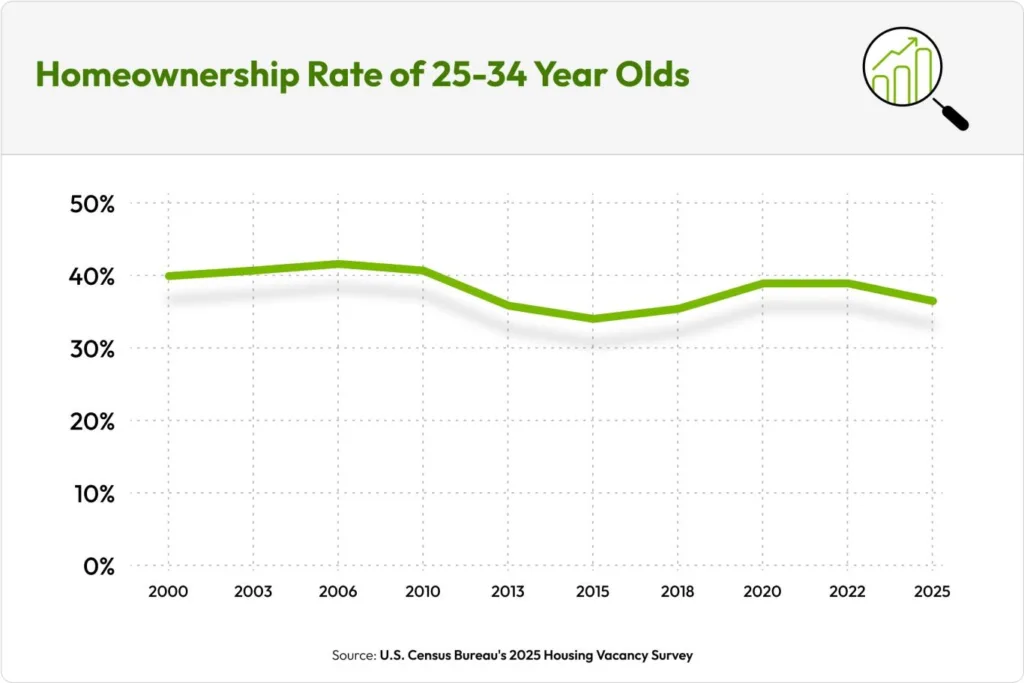
The US rental market has seen significant growth over the past 15 years. According to Apartments.com, 2024 American Community Survey data showed 34.7% of occupied housing units are now renter-occupied, up from 29.9% in 2010. This trend is driven by housing shortages, higher mortgage rates, and demand for flexibility. As homeownership rates fall, renting is becoming a more common long-term choice, especially among young adults.
Affordability and Flexibility Drive Renting
Rising home prices and mortgage rates have put ownership out of reach for many Americans. The median monthly mortgage in 2024 climbed to $2,225, a 20% increase since 2021. By contrast, median gross rent reached $1,487 in 2024, $311 higher than 2005 but typically below monthly mortgage costs. Despite rent increases outpacing home values, the flexibility and relatively lower cost of renting continue to attract households wrestling with economic uncertainty, a shift that also aligns with broader population movements toward rental-friendly metros.
Vacancy Rates and Construction Trends
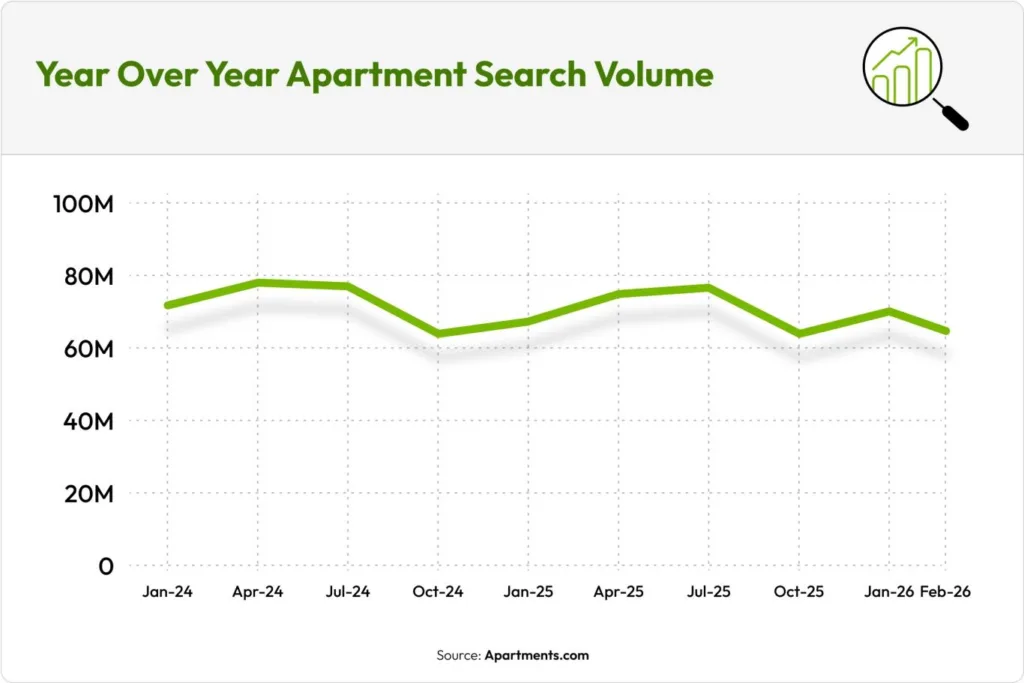
Multifamily rental vacancies reached 8.6% in early 2026, compared to 7.2% at the end of 2025. Higher vacancy rates give renters more negotiating power and can lead to rent concessions. Construction of new rental units is also slowing—down 25% in 2025 and expected to fall another 36% by the end of 2026. This marks the lowest level of new multifamily development in over a decade.
Get Smarter about what matters in CRE
Stay ahead of trends in commercial real estate with CRE Daily – the free newsletter delivering everything you need to start your day in just 5-minutes
Regional Rental Market Patterns
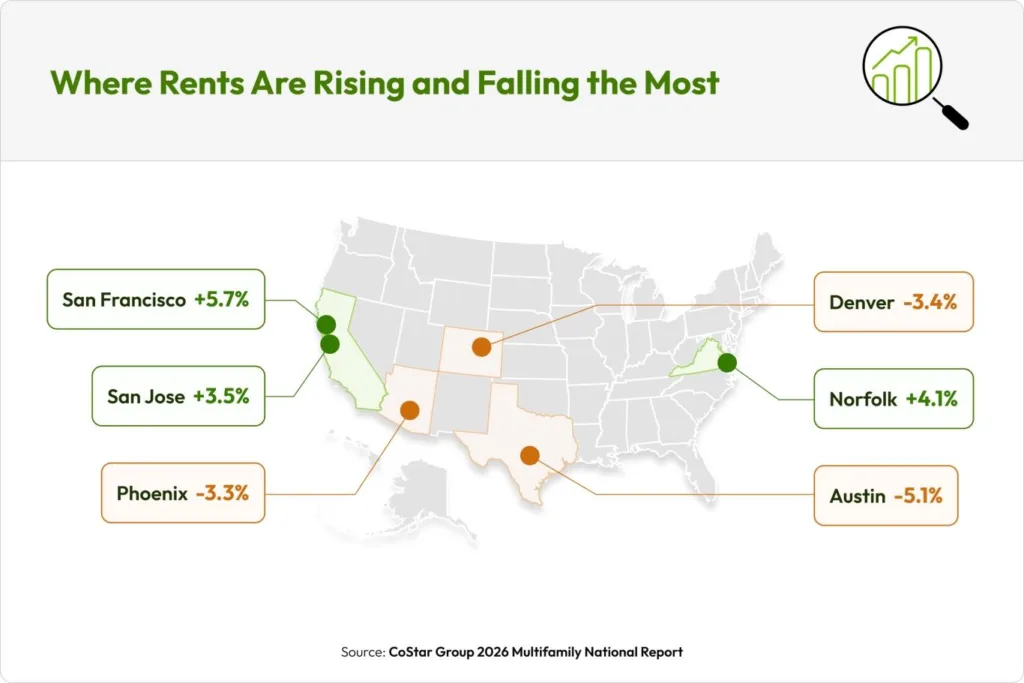
States with the largest renter populations include New York (45.7%), California (44.2%), Texas (37.7%), and Arizona (32.2%). These levels have been relatively stable or increased slightly since 2010. In supply-heavy metros like New York and Dallas-Fort Worth, high construction levels have led to more vacancies and weaker rent growth, while supply-constrained areas continue to see stronger rent gains.
What’s Next
While the US is not yet a renter-majority nation, Rental Market growth has transformed traditional housing patterns. Renting has become a key long-term solution for many households, reflecting broader economic and social shifts. With declining multifamily construction, slower job growth, and persistent affordability challenges, these trends are likely to continue shaping US housing in the coming years.