



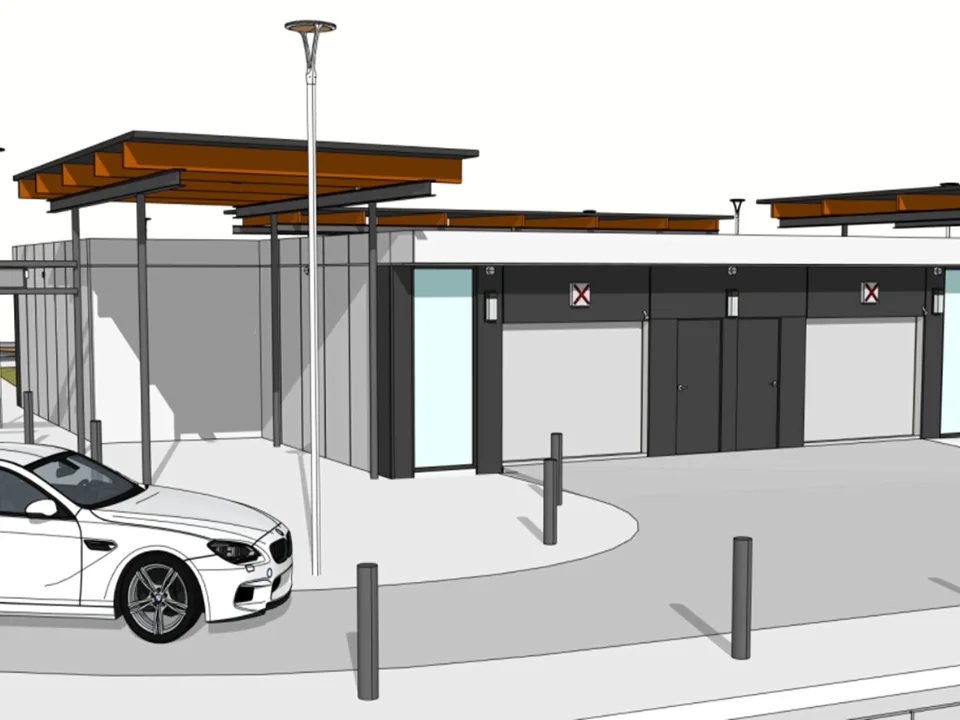
- PACE Loan Group closed a $13.5M C-PACE loan to finance a 228-space automated parking garage in downtown Raleigh, marking the city’s first project using the program.
- The facility will feature full EV charging capability and automated parking technology, signaling a shift toward tech-enabled urban infrastructure.
- The project is part of the larger Gateway District development, which will include residential, hospitality, and mixed-use components.
Raleigh is stepping into the future of urban infrastructure with a first-of-its-kind financing deal. PACE Loan Group has closed a $13.5M C-PACE loan to support construction of a fully automated, EV-equipped parking garage in the city’s Gateway District, with delivery expected later this year.
A milestone deal
The project marks Raleigh’s first use of Commercial Property Assessed Clean Energy (C-PACE) financing since the program became active locally. It’s also the second C-PACE deal completed in North Carolina, highlighting growing adoption of the financing tool across the state.
For developers, C-PACE filled a critical gap in the capital stack, offering flexible terms that complemented existing bond financing and supported sustainability-focused infrastructure.
Get Smarter about what matters in CRE
Stay ahead of trends in commercial real estate with CRE Daily – the free newsletter delivering everything you need to start your day in just 5-minutes
The details
Located at 130 Kindley Street, the underground garage will accommodate 228 vehicles using an automated system designed by AUTOParkit. Each parking space will include EV charging capability, aligning with increasing demand for electrification.
Above ground, the site will feature a public plaza, contributing to the district’s pedestrian-friendly design. Construction is set to begin immediately, with completion targeted for December.
Part of a bigger vision
The garage is one of several components in the City Gateway District, a master-planned development led by Capital City Urban Development. The broader project will include a hotel, school, and multiple mixed-use properties.
The district already includes MIRA, a 288-unit apartment building that opened in 2024, and sits بالقرب major downtown attractions like the convention center and Red Hat Amphitheater.
Why it matters
This project signals two converging trends in commercial real estate: the rise of alternative financing tools like C-PACE and the integration of smart, sustainable infrastructure into urban developments.
Automated parking and EV readiness are no longer niche features—they’re becoming essential components of future-proofed city planning. Raleigh’s early adoption could position it as a model for similar mid-sized cities.
What’s next
With Raleigh’s first C-PACE project now underway, more developers may look to the program to fund energy-efficient upgrades and infrastructure.
As Gateway District continues to take shape, expect additional projects that blend technology, sustainability, and mixed-use density—reshaping how downtown Raleigh functions in the years ahead.