


- Over 600 NYCHA vacant units were illegally occupied between 2022 and 2025.
- Investigators link squatter activity to increased criminal use, including drug dealing and gang activity.
- NYCHA has started targeted actions with the NYPD, reclaiming 635 apartments and making 81 arrests since 2023.
- Key security lapses included identical locks and infrequent inspections of vacant units.
Surge in NYCHA Squatter Activity
The Real Deal reports that hundreds of vacant NYCHA units meant for new tenants instead housed squatters and illegal activity. A new city report details the issue.
Between January 2022 and May 2025, squatter-related incidents increased across NYCHA properties. During the same period, the number of vacant NYCHA apartments more than doubled, reaching 6,700 units.
Security Gaps and Public Safety Risks
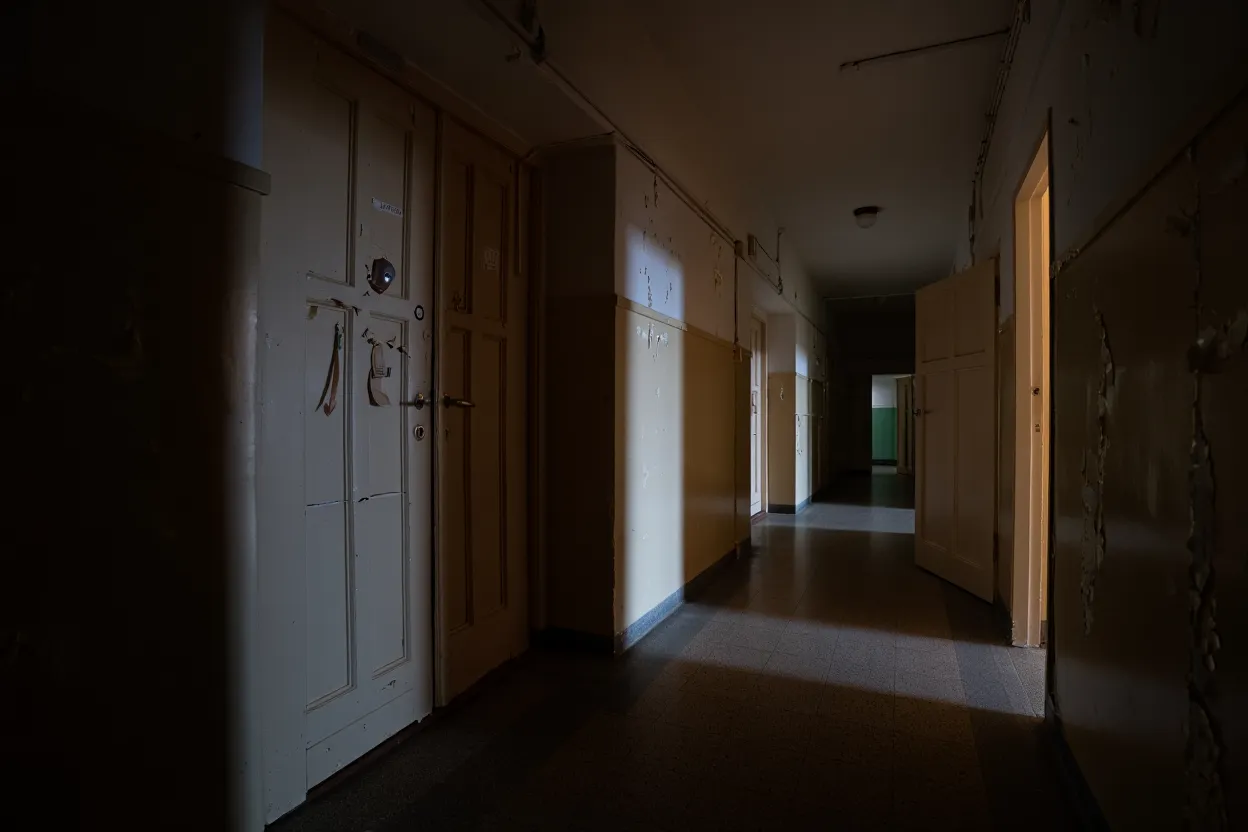
Identical locks across NYCHA developments and infrequent inspections made it easier for squatters to access multiple apartments. Investigators also found that some units stored narcotics or supported organized criminal activity. In one East Harlem case, authorities filed federal charges after suspects operated an open-air drug market from vacant units. The findings add to a series of oversight issues at the housing authority, which has faced scrutiny in recent years over internal corruption and management failures.
Get Smarter About What Matters in New York
Subscribe to our free newsletter covering the biggest commercial real estate stories across the five boroughs — delivered in just 5 minutes.
NYCHA’s Response and Policy Changes
NYCHA only began system-wide interventions in 2023, partnering with the NYPD to reclaim illegally occupied apartments. Since then, the authority reclaimed 635 units and made 81 arrests. New policies now require staff to report suspected squatting to police and mandate tracking of illegally occupied apartments. NYCHA plans to follow investigation recommendations, including installing unique locks and monthly inspections, but regular checks are not expected until late 2026.
What Lies Ahead for NYCHA
NYCHA’s squatter problem reflects larger issues, such as prolonged renovation periods and chronic underfunding. With over 165,000 households still waiting for housing, addressing the squatter crisis and restoring secure, habitable NYCHA units remains a pressing concern for city officials and residents alike.