





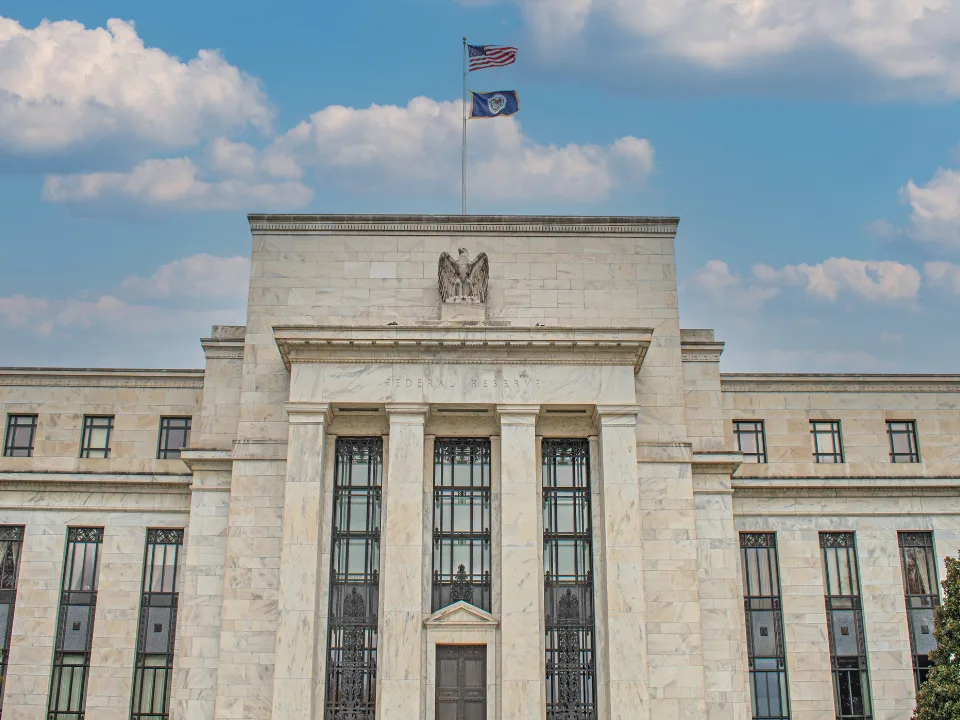
- Federal Reserve System to drop certain confidential warnings given to banks.
- Review will focus supervisory efforts on immediate financial risks, not procedural issues.
- Process excludes consumer issues and material risks, with reviews concluding by July.
- Banks will have input on resolving remaining warnings as part of the updated protocol.
Supervision Priorities Shift
Bloomberg reports that the Federal Reserve is changing how it supervises banks. The central bank plans to withdraw certain confidential directives tied to operational improvements. Vice Chair Michelle Bowman is leading the effort. She aims to reduce regulatory burdens and sharpen the focus on immediate financial risks.
Meanwhile, Fed staff are reviewing outstanding warnings issued to banks. Regulators call these notices “matters requiring attention” or “matters requiring immediate attention.” Officials are assessing whether these findings align with updated supervisory priorities. Going forward, examiners will emphasize significant financial threats over procedural or administrative concerns.
Review and Implementation Timeline
The review of these supervisory findings is underway and is set to conclude by the end of July. It will move forward in phases. Examiners will evaluate each finding first. Then, they will meet with banks to discuss plans for unresolved issues.
Regulators may drop warnings that address only administrative or procedural concerns. However, they will continue to scrutinize material risks and consumer-related issues.
Get Smarter about what matters in CRE
Stay ahead of trends in commercial real estate with CRE Daily – the free newsletter delivering everything you need to start your day in just 5-minutes
Industry Impact and Next Steps
This review comes as part of broader efforts within the Federal Reserve System and among other US bank regulators to streamline oversight and focus on core financial risks. Late last year, regulators also increased scrutiny of banks with heavy commercial real estate exposure amid rising property market stress. Banks are expected to engage with examiners as changes are implemented and clarify their actions regarding outstanding warnings. The move aims to enhance the effectiveness of supervision while reducing regulatory complexity and cost.
Why It Matters
The Federal Reserve System’s new policy may reduce compliance costs for banks and signal a more lenient oversight environment. While some regulators warn about potential risks of lighter supervision, supporters argue that focusing on the most significant dangers to financial stability will make regulatory measures more effective and transparent. The finalized changes are expected to be in place by midsummer.