







- Cap rates held steady in late 2025, with investors expecting stability or gradual compression ahead.
- Transaction volume increased 19% in 2025 as price discovery transitioned to selective risk-taking and income focus.
- Regional multifamily cap rates showed selective tightening, especially in coastal and select Midwest markets.
- Office cap rates remain elevated but stabilization signs appear, while industrial and retail stay relatively steady.
Cap Rates Plateau Across Sectors
Globe St reports that cap rates across major US commercial property types leveled off in the second half of 2025, according to CBRE’s H2 2025 US Cap Rate Survey. Yields paused following earlier volatility in Treasury yields and continued macroeconomic uncertainty. The survey, which compiled input from over 200 market professionals in 50+ cities, suggests cap rates have hit a cyclical plateau, with market sentiment now split between further stability and gradual compression.
Investor Activity and Lending Trends
Market normalization has led to a notable uptick in activity. CRE transaction volume grew 19% over the past year, coinciding with the stabilization in headline cap rates. Lenders are re-entering the market with higher loan-to-value ratios, pushing the CBRE Lending Momentum Index above its five-year average. Price indices tracked by CBRE showed an end to declines, supporting the survey’s suggestion that the market is transitioning out of price discovery mode and into a phase of selective risk-taking. This shift in pricing dynamics mirrors broader repricing trends reshaping investor strategy, as capital increasingly targets sectors where income durability and basis reset opportunities are clearer.
Get Smarter about what matters in CRE
Stay ahead of trends in commercial real estate with CRE Daily – the free newsletter delivering everything you need to start your day in just 5-minutes
Sector-Specific Cap Rate Patterns
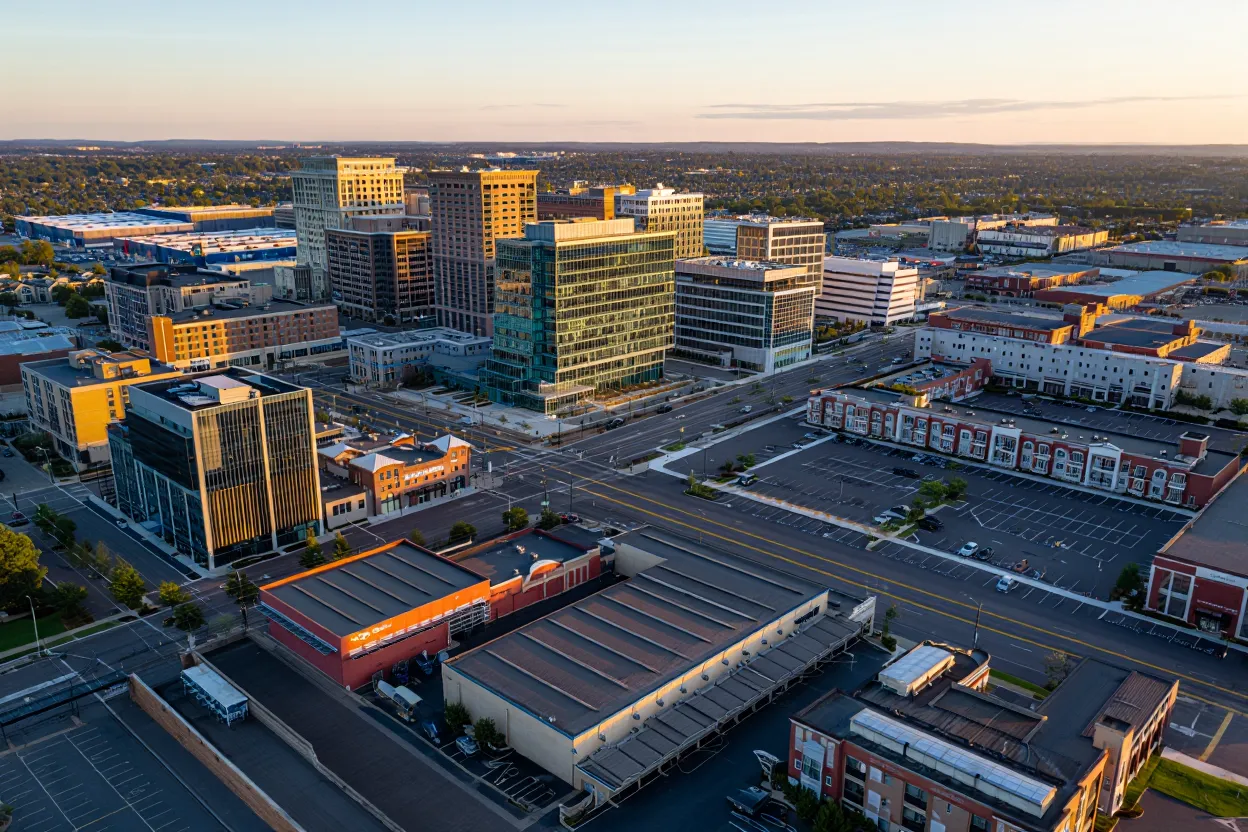
Multifamily cap rates displayed modest tightening in coastal and select Midwest regions—Boston, New York, and Washington, D.C. saw slight compressions at the lower end for Class A stabilized assets. Secondary and Sun Belt markets such as St. Louis and Orlando also demonstrated marginal tightening. Suburban and value-add multifamily assets recorded similar shifts, with many coastal and Sun Belt markets settling into narrower ranges.
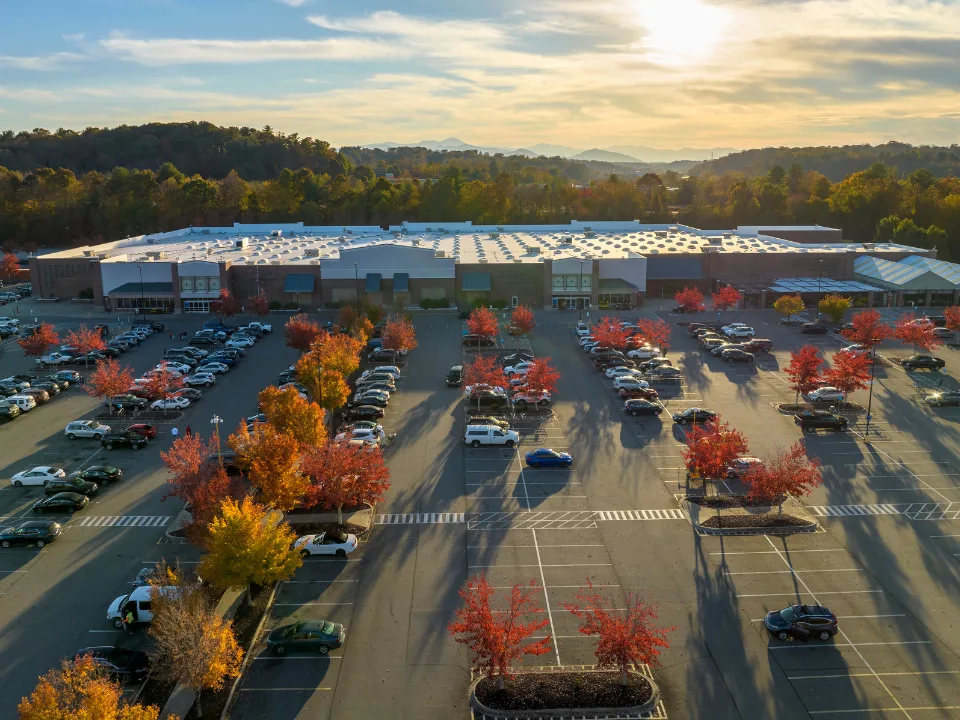
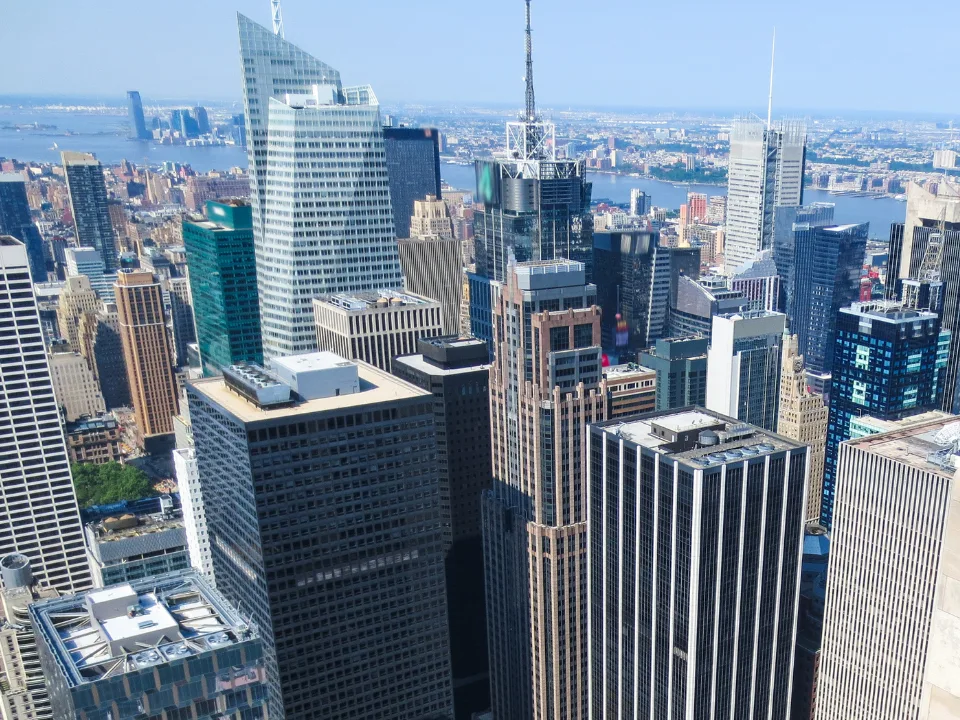
Office properties continue to produce higher yields. However, dramatic outward yield shifts appear to be fading, especially in downtown Boston and Washington, D.C., where cap rates held steady or tightened slightly at their upper bounds. Suburban office remains wide but showed some stabilization in key markets. Industrial sector yields remained stable and relatively tight, particularly in gateway markets. Retail neighborhood center cap rates were stable or slightly tighter in the Midwest and Northeast, while Southern and Western ranges held mostly firm.
Investor Outlook Shifts
The CBRE Cap Rate Survey indicates most investors now expect cap rates to remain unchanged or begin downward movement, especially in retail, industrial, and hotel sectors. Office and some multifamily segments reflect more balanced expectations, highlighting persistent uncertainty in these areas. The survey’s results mark a departure from earlier in the cycle, when more respondents projected further increases.
What’s Next for Cap Rates
US commercial real estate appears to have reached a cap rates plateau, with market participants closely watching for the onset of yield compression. Improved transaction and lending volumes point to healthier market dynamics. Investors are shifting focus from market timing to careful asset and submarket selection, targeting stabilized sectors where risks are now better defined and income growth can drive returns.